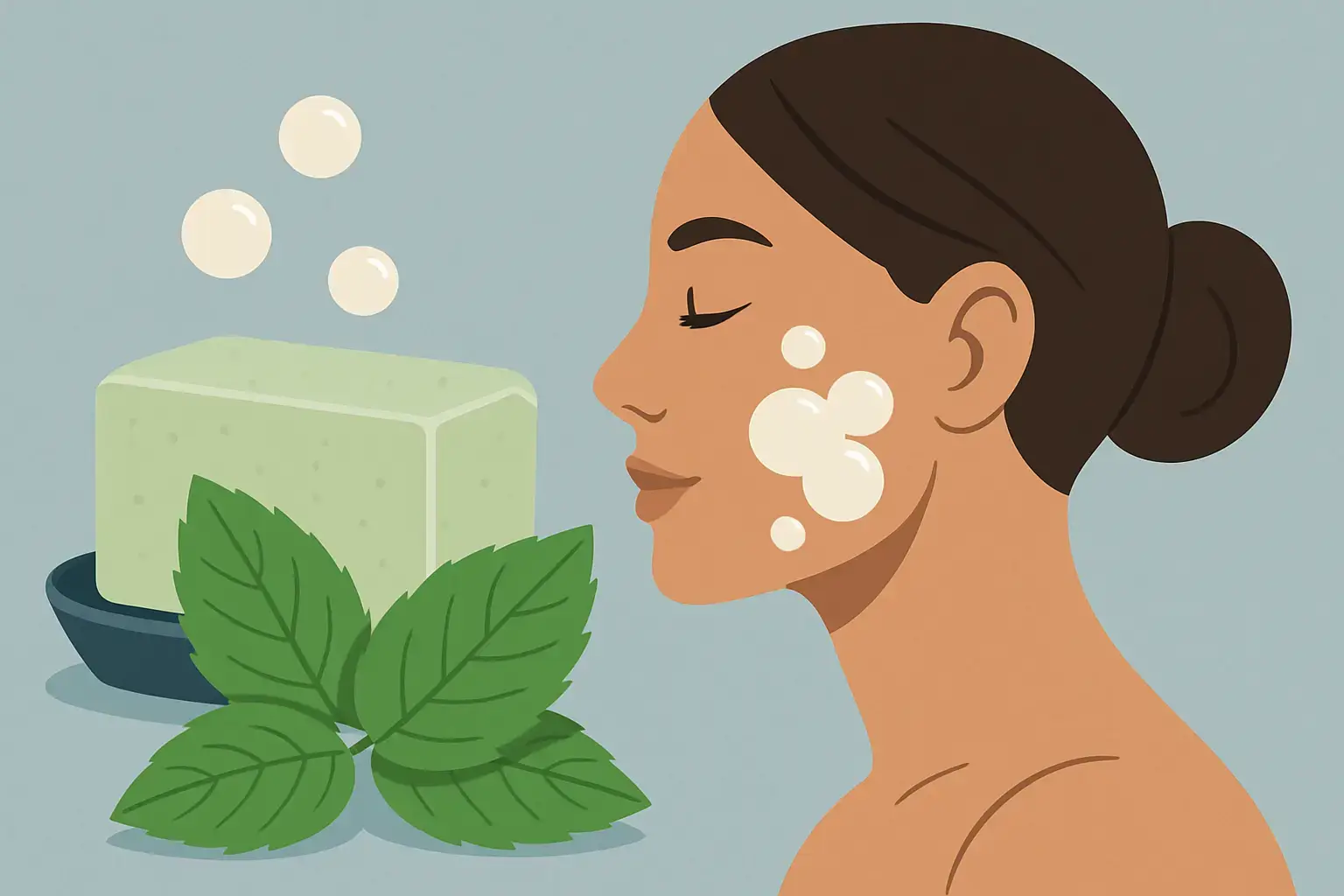



A shower shelf crowded with plastic bottles can make cleansing feel more complicated than it needs to be. In the bar soap vs shower gel debate, the better choice is not simply the one that lathers most or smells strongest. It is the one that cleans comfortably, suits your skin, and fits the way you want to live.
For dry, sensitive or easily troubled skin, that often means looking beyond the format. A carefully made bar can be a gentle daily staple. A well-formulated shower gel can be useful too. The difference lies in the ingredients, the method, and what your skin feels like once the water has dried.
Bar soap vs shower gel: the real difference
Bar soap is a solid cleanser made by combining oils or fats with an alkali, usually sodium hydroxide, through a process called saponification. In traditional cold-process soapmaking, the ingredients are blended, poured, cured, and given time to become a firm, lasting bar. The sodium hydroxide is transformed during this process, leaving soap behind.
Shower gel is usually a liquid cleanser made with water, surfactants, thickeners, preservatives and fragrance. Surfactants lift oil and dirt from the skin so they can be rinsed away. This format can be very effective, particularly after sport, gardening or a hot day. But it also needs a more complex formula to remain stable and safe in a wet bottle.
Neither format automatically deserves the label of gentle. A cheap bar can feel stripping, just as a thoughtfully formulated shower gel can feel mild. What matters is how the cleanser is made, what it contains, and whether it respects your skin’s own protective barrier.
What dry and sensitive skin tends to prefer
Your skin barrier is not something to scrub away. It is the outer layer that helps hold moisture in and keeps everyday irritants out. When it is already under pressure from cold weather, central heating, frequent washing or a skin condition, a harsh cleanser can leave it feeling tight, itchy or reactive.
Many conventional shower gels rely on strong detergents to create a quick, abundant foam. That sensory experience can feel satisfyingly clean, yet it is not always a sign that your skin is better cared for. For some people, especially those prone to dryness, too much cleansing power is simply too much.
A traditionally made bar with a considered fat profile offers a different experience. Tallow has a fatty-acid composition that is particularly compatible with the skin, and it brings a rich, creamy lather rather than an aggressively bubbly one. It is also naturally rich in vitamins A, D, E, K and B12. When made well and allowed to cure properly, a tallow soap bar can cleanse thoroughly while leaving skin feeling comfortable rather than squeaky.
That said, sensitive skin is personal. Even natural ingredients can be unsuitable for an individual, particularly essential oils and fragrances. If your skin reacts easily, choose a simple bar, patch test it first, and introduce one new product at a time. For persistent eczema, cracking or painful irritation, a pharmacist or healthcare professional can help you work out what is triggering the flare.
The pH question, without the panic
You may hear that soap is always bad for skin because it is alkaline. It is true that traditional soap has a higher pH than skin. However, pH alone does not tell the full story of how a cleanser performs. The oils or fats used, the level of superfatting, the quality of the cure, how often you wash, water temperature, and your individual skin all matter.
For many people, a well-made natural bar works beautifully as part of a simple routine. Others may prefer a mild liquid cleanser for facial skin or during a flare-up. The useful approach is not to chase a single rule. Pay attention to your skin after a week or two of use: does it feel calm, soft and settled, or tight and uncomfortable?
Ingredients tell you more than the packaging
A solid bar can have a wonderfully short ingredient list. That does not make every short list perfect, but it does make it easier to understand what you are putting on your body. Look for clearly named oils or fats, straightforward botanicals, and a maker willing to explain their process.
With shower gel, scan beyond claims such as “natural”, “clean” or “dermatologically tested”. These words can be meaningful, but they are not a full formulation. Look at the surfactants used, whether fragrance appears high on the list, and whether the product contains ingredients your skin already knows it dislikes.
There is also a practical distinction between fragrance and function. A softly scented wash can make an ordinary shower feel special. But if you are buying for a child, managing reactive skin, or trying to simplify a routine during winter, less fragrance is often the wiser place to start.
At Luna Natural Soap Co., every tallow bar begins with slowly rendered, locally sourced grass-fed tallow and traditional cold-process methods. It is a deliberate choice: fewer unnecessary additions, a firm bar, and a rich lather made to care for real skin.
Which one creates less waste?
This is where a bar often has a clear advantage. A bar of soap needs little or no packaging and can be wrapped in paper or sold naked. It is also concentrated: there is no water being transported in a plastic bottle. A single bar can last for weeks when it is stored properly.
Shower gel bottles can be recycled in some areas, but recycling is not the same as waste prevention. Pumps, mixed materials and residue can make the process more difficult. Refill options are improving, and a refillable shower gel may be a sensible choice if you strongly prefer liquid cleansing. Still, for a straightforward plastic-free swap, a bar is hard to beat.
The key is to help your bar last. Keep it on a draining dish rather than sitting in a pool of water. Let it dry between uses, and use a washcloth or soap saver if you enjoy a little extra lather. Small habits make the most of every bar.
The everyday experience matters too
There is no virtue in choosing the most sustainable option if you never enjoy using it. Shower gel is familiar, easy to dispense and convenient for shared bathrooms. It may suit anyone with limited grip, or those who prefer to use a pump in the shower.
Bar soap, meanwhile, brings a quieter kind of luxury. There is the feel of a weighty, handmade bar, the creamy lather worked between your palms, and the simplicity of one beautiful object that does its job well. It travels neatly, takes up little space, and does not leak into a wash bag.
For families, bars can also make routines simpler. One gentle body bar may replace separate bottles for different shower users, provided everyone tolerates the ingredients. If you need a more targeted option, keep the rest of your routine uncomplicated. Skin rarely benefits from a bathroom cabinet full of competing products.
How to choose between a bar and a gel
Choose a natural bar soap if you want to reduce bathroom plastic, prefer transparent ingredients, and like a rich lather that rinses cleanly. It is especially worth considering if dry skin leaves you searching for a cleanser that feels less harsh after bathing.
Choose a shower gel if its formula suits your skin, you need a pump for ease of use, or you genuinely prefer the liquid format enough to use it consistently. A refillable option in a mild, low-fragrance formula is a considered compromise.
If you are unsure, let your skin and habits decide. Try one gentle bar for your body, use lukewarm rather than very hot water, and moisturise after showering while skin is still slightly damp. Give the change enough time to judge properly, unless your skin becomes irritated.
The best cleanser is not the one with the loudest promise. It is the one you reach for each day, knowing it will leave your skin clean, comfortable and cared for – and leave a little less behind in the bin.