

A kitchen bin fills quickly with the same small things: a torn sheet of kitchen roll, a spent sponge, cling film that will not stick twice. The best low waste kitchen swaps are not about creating a picture-perfect pantry or buying a cupboard full of matching jars. They are simple changes that make everyday cooking, cleaning and storing food feel just as practical, with less to throw away.
The most useful rule is this: replace what you finish often, not what you already own. Use the last of your current roll, bottle or packet, then choose a longer-lasting alternative that suits the way your household actually lives. A low-waste kitchen should save effort over time, not add another chore to the week.
What makes a kitchen swap worth making?
A reusable item is not automatically the better choice. It needs to be used enough times to justify the materials and water involved in making and washing it. A sturdy cloth that replaces hundreds of paper towels is likely to earn its place. A novelty gadget used twice a year probably will not.
Look for three things: durability, ease of cleaning and a clear job to do. Natural materials can be a lovely choice, but they still need care. A wooden brush may last for years if allowed to dry between uses; a compostable sponge only helps when it is truly worn out and can be composted through the route available to you.
12 best low waste kitchen swaps for daily use
1. Washable cloths instead of kitchen roll
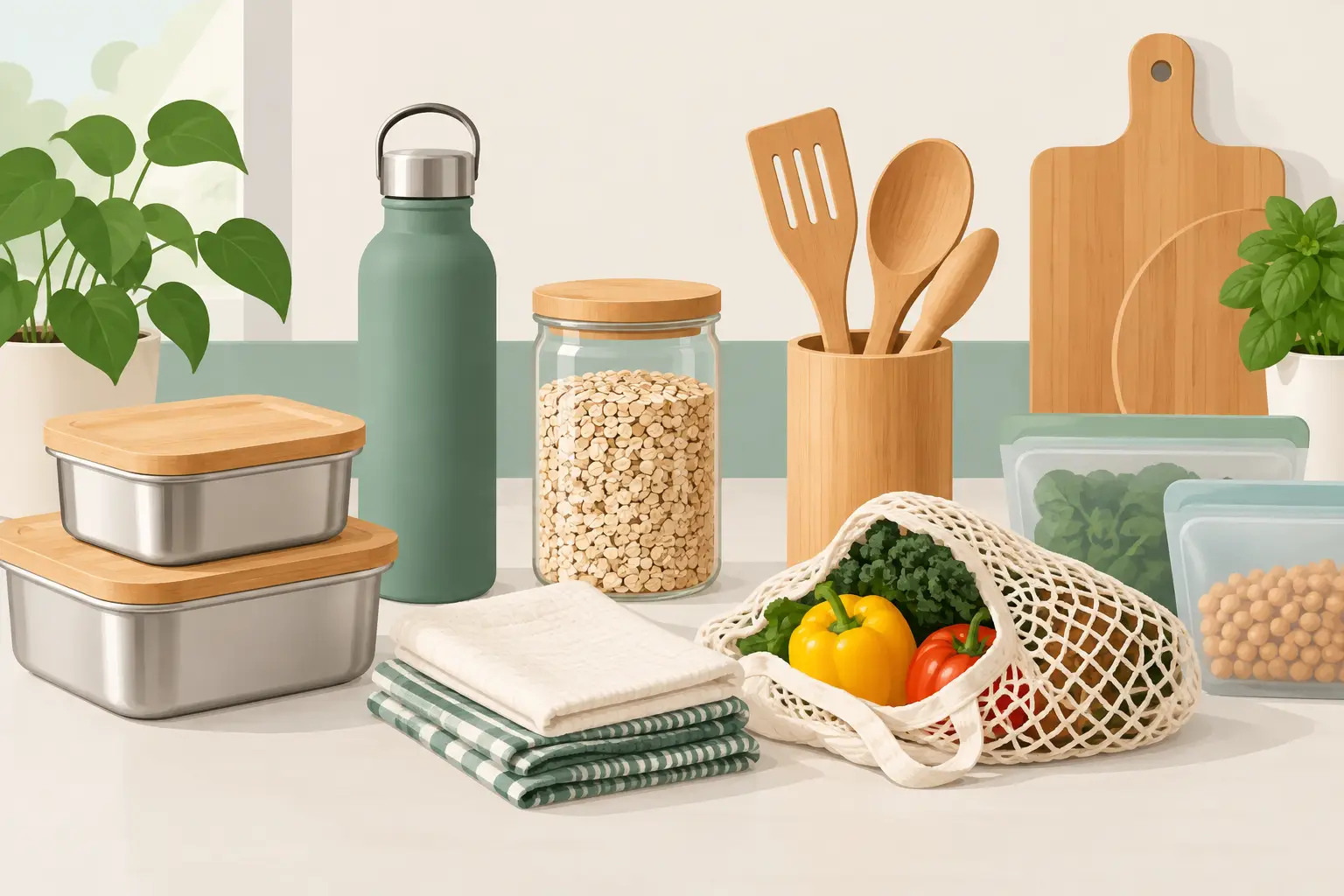
Keep a small stack of cotton or linen cloths where you normally keep kitchen roll. They are ideal for wiping worktops, drying hands, mopping a spill and polishing washed vegetables. Reserve paper towel for the occasional unpleasant job, if you use it at all, rather than treating every splash as a reason to tear off another sheet.
Choose plain, hard-wearing cloths that can go into your usual wash. A light colour makes it easier to see when they need laundering, while darker cloths can be useful for messier cleaning tasks.
2. A solid dish soap instead of liquid in a plastic bottle
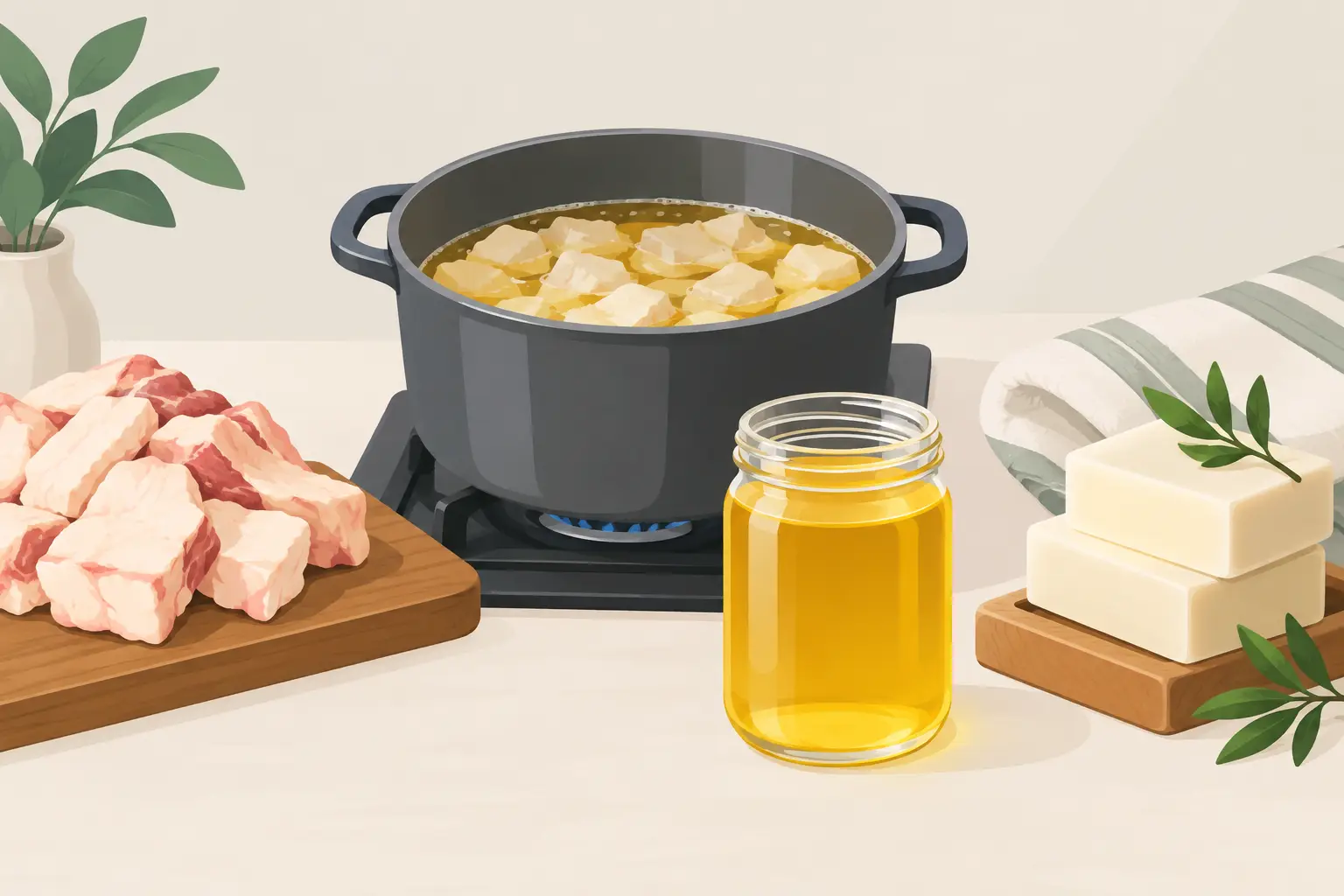
Washing-up liquid is one of the easiest repeat purchases to rethink. A firm solid dish soap can create a rich lather without another pump bottle, and a well-made bar lasts a surprisingly long time when stored properly.
The practical detail matters: let the bar drain and dry on a dish between uses. If it sits in a puddle, it will soften quickly. Luna Natural Soap Co.’s solid tallow dish soap is designed for this everyday work – a concentrated, plastic-free option for plates, pans and the steady rhythm of kitchen clean-up.
3. A refillable washing-up brush
A brush with a replaceable head avoids discarding a whole plastic handle when the bristles finally flatten. Look for a comfortable grip and bristles suited to your dishes. Stiffer plant fibres are useful for baked-on food, while a softer brush may be kinder to delicate glasses and non-stick surfaces.
No brush lasts forever. Rinse it well, stand it bristle-side down where possible and replace the head only when it no longer cleans effectively.
4. Natural-fibre scourers for stubborn pans
Plastic scourers shed as they wear and are difficult to recycle. Coconut coir, sisal or loofah scourers offer a lower-plastic alternative for robust cookware, sinks and chopping boards. They can be excellent, though they are not the right tool for every surface.
Avoid harsh scrubbing on non-stick coatings, and replace a natural scourer once it starts to break down or hold odour. Check whether yours is free from synthetic stitching before adding it to home compost.
5. Beeswax wraps for short-term food storage
Beeswax wraps work well over bowls, around cheese, herbs, cut fruit and a half-used loaf. The warmth of your hands helps them soften around a dish, and a gentle hand wash in cool water keeps them going.
They are less suitable for raw meat, very hot food or anything that needs a truly airtight seal. For leftovers that need to stay fresh for several days, a lidded container is usually the more reliable choice.
6. Glass jars you already have
Before buying a new set of storage jars, save sturdy jars from sauces, olives or coffee. Once labels are removed and lids are sound, they are useful for dry goods, homemade dressings, lunch portions and freezer-safe ingredients if there is enough headroom.
This is one of the most affordable swaps because it starts with something already in your kitchen. Do not force it, though. If the lid is rusty, warped or no longer seals well, recycle the jar rather than trusting it with food storage.
7. Lidded containers instead of cling film
A small collection of glass or stainless-steel containers can cover packed lunches, batch-cooked meals and fridge leftovers. Their strength is simplicity: food goes into one container, then from fridge to table or work bag with no wrapping to peel away.
Glass is heavier and can break, so it may not suit every family lunchbox. Stainless steel is lighter and durable, but you cannot see what is inside. A mix often works best.
8. Reusable produce bags for loose shopping
Lightweight cotton or mesh bags make buying loose fruit, vegetables and bakery items easier to remember. They are particularly useful for items that do not need plastic packaging in the first place, such as apples, onions and potatoes.
Wash them when needed and keep them near your shopping bags, not tucked away in a drawer. The greenest reusable bag is the one you bring with you often enough to replace single-use options.
9. A refillable bottle for washing-up powder or soda crystals
For greasy ovens, blocked sinks or occasional deeper cleaning, powdered household staples can reduce the need for multiple trigger sprays. Soda crystals, bicarbonate of soda and citric acid each have different uses, so avoid treating them as interchangeable.
Label every container clearly and keep cleaning ingredients away from food. Never mix household cleaners casually, especially products containing bleach or acids. Less packaging is useful; safe cleaning comes first.
10. Cloth napkins for everyday meals
Cloth napkins are not only for dinner parties. A small set can replace daily paper napkins and makes even a quick lunch feel more considered. Choose machine-washable cotton or linen in a colour that will tolerate real life.
If a household has young children or frequent spills, it may help to keep a separate basket for used napkins. Wash them with tea towels and cloths rather than creating a special load.
11. A compost caddy for unavoidable scraps
Low waste does not mean producing no food scraps. Vegetable peelings, tea leaves, coffee grounds and eggshells are part of cooking. A compact countertop caddy makes it easier to separate them for a home compost heap or local food-waste collection.
Check your council guidance before adding anything unfamiliar. Compostable packaging, meat, dairy and cooked food are accepted differently depending on the collection system. Getting the sorting right is more valuable than buying an expensive caddy.
12. A simple plan for leftovers
The most effective kitchen swap is sometimes a habit rather than an object. Keep one shelf or one clear box in the fridge for food that needs using first. Store leftovers in visible containers and give yourself an easy meal plan: soup, frittata, fried rice or a traybake can absorb small amounts of vegetables and cooked grains.
Food waste carries the resources of growing, transporting and preparing every ingredient. Using what you have is often more meaningful than changing the packaging around it.
Start with the swaps you will keep using
There is no need to change everything at once. Begin with the disposable item you replace most often – perhaps kitchen roll, washing-up liquid or cling film. Live with the alternative for a few weeks. If it works, it becomes part of the kitchen without requiring willpower.
For sensitive hands, pay attention to how cleaning products feel as well as how they are packaged. Frequent washing-up can leave skin dry and tight, particularly in colder months. Gentle formulas, sensible gloves for harsher tasks and a proper hand-care routine are practical forms of waste reduction too: products that work well are less likely to be abandoned half-used.
A lower-waste kitchen is built through repeatable choices, not perfection. Let each empty bottle, worn sponge or finished roll be a quiet opportunity to choose something made to last.