

A bar that leaves your hands feeling tight after one wash is telling you something. When people ask, can bar soap cause dry skin, the honest answer is yes – but not because all bar soap is harsh. The real issue is formulation. Some bars cleanse in a way that respects the skin barrier. Others strip too much, too often, especially if your skin is already dry, sensitive or eczema-prone.
That distinction matters. Bar soap has earned a mixed reputation over the years, and some of that criticism is deserved. Many people have used bars that squeak on the skin, leave the face uncomfortable, or make winter dryness worse. But a well-made bar is a different experience altogether – firm in the hand, rich in lather, and cleansing without that raw, overwashed feeling.
Why bar soap can cause dry skin
Dry skin is not simply a lack of oil. It is often a sign that the skin barrier is under strain. Your skin needs a balance of natural oils, water and protective lipids to stay calm and comfortable. If cleansing removes too much of that protective layer, moisture escapes more easily and the skin becomes tight, flaky, itchy or reactive.
That is where some soaps fall short. Traditional soap is made through saponification, but the final character of the bar depends on the oils used, the curing process, the amount of unsaponified fats left behind, and whether the formula includes aggressive additives. A cheap bar designed only to cleanse thoroughly may do exactly that – thoroughly enough to leave dry skin worse.
Fragrance can also play a part. Not everyone reacts to scent, but for sensitive skin it can be one more point of stress. The same goes for strong essential oil blends, harsh exfoliants, or cleansing bars with little thought given to barrier support. If your skin already runs dry, the wrong bar can push it from mildly uncomfortable to visibly irritated.
Can bar soap cause dry skin on every skin type?
Not equally. Oily skin may tolerate a stronger cleanse for longer, though even oily skin can become dehydrated. Dry and sensitive skin tend to show the problem faster. You wash, pat dry, and within minutes the skin feels taut. Sometimes it stings when you apply moisturiser. Sometimes patches appear around the knuckles, cheeks or shins.
Season matters too. A bar that feels perfectly fine in July may feel far too stripping in January when indoor heating, cold wind and hot showers have already taken their toll. Age can change the picture as well. As skin matures, it often produces less oil and needs a gentler approach than it once did.
That is why broad statements about soap are rarely helpful. It depends on the bar, your skin, your routine and even the weather.
What makes one bar drying and another gentle?
The ingredient list tells part of the story, but not all of it. A good cleansing bar is not just about what has been added. It is also about what has been preserved during soapmaking.
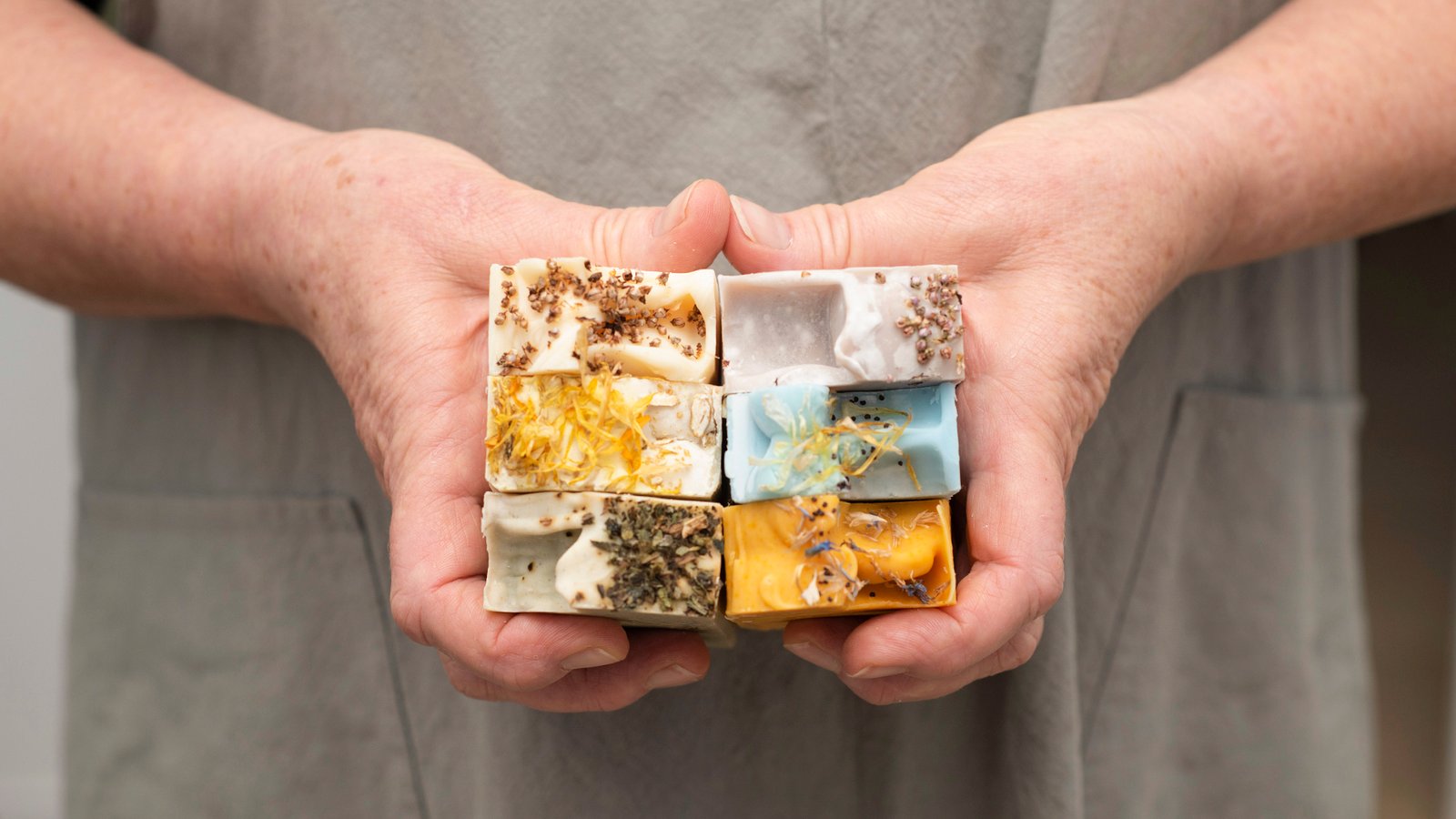
A traditionally made, well-cured bar often feels milder because the formula has been balanced with skin comfort in mind. Bars made with nourishing fats can cleanse while leaving behind a softer feel. This is one reason tallow has such a loyal following in traditional skincare. Properly formulated tallow soap produces a creamy lather and has a fatty acid profile that works in harmony with the skin, rather than constantly fighting against it.
By contrast, bars made to be very hard, very cheap or very foamy can prioritise performance in the sink over comfort on the skin. More bubbles do not always mean better cleansing. Sometimes they simply mean a more aggressive wash.
Superfatting matters as well. This is the practice of leaving a portion of nourishing oils or fats unsaponified in the finished bar. Done well, it gives the soap a more conditioning quality. Done badly, or omitted entirely, the bar may cleanse too sharply for dry skin.
Signs your bar soap is too harsh
Your skin usually gives clear feedback. If a bar leaves your face or body feeling squeaky, that is not necessarily a sign of cleanliness. It can be a sign that too much has been removed. Tightness after washing, flaking around the nose or mouth, itching on the arms or legs, and a sudden need to apply lotion immediately are all common clues.
For some people, the signs are more subtle. Skin can start looking dull rather than fresh. Redness may linger longer after a shower. Small dry patches may appear in places that were previously fine. If you already have eczema-prone skin, the wrong soap can make flare-ups feel harder to settle.
None of this means you need to avoid bar soap altogether. It means your skin is asking for a better bar and a gentler routine.
How to choose a bar if you have dry or sensitive skin
Start with the purpose of the product. A facial bar, a hand soap and a body bar do not need to cleanse with the same intensity. Many people use one product for everything, then wonder why their cheeks feel uncomfortable. The skin on your face is often less forgiving than the skin on your hands.
Look for bars made with traditional fats and oils known for a more conditioning wash, and be cautious with formulas that lean heavily on strong fragrance or harsh exfoliating add-ins. Oatmeal, goat milk and herbal ingredients can be useful, but the full formula still matters more than one hero ingredient on the label.
It also helps to buy from makers who explain how they formulate, source and cure their soaps. Transparency is usually a good sign. If a brand can tell you what a bar is designed to do and who it is for, that suggests care has gone into the recipe rather than just the wrapping. At Luna Natural Soap Co., that belief sits at the heart of how a bar should be made – with ingredients chosen for real skin and traditional methods that support comfort, not compromise it.
Washing habits matter more than people think
Even a gentle bar can struggle against a harsh routine. Very hot water, long showers, over-cleansing and vigorous scrubbing all make dryness worse. If your skin is already fragile, washing twice with lots of lather and then towel-rubbing briskly is unlikely to help.
A better approach is simple. Use lukewarm water. Cleanse only where needed. Let the lather do the work rather than scrubbing hard. Pat the skin dry, then apply a moisturiser or balm while the skin is still slightly damp.
This is especially important for hands. Frequent washing is part of daily life, but hands are often first to show signs of barrier stress. If your hand soap is leaving you cracked and uncomfortable, the formula may be too stripping for repeated use.
Bar soap versus liquid cleanser
Liquid is not automatically gentler. Some liquid cleansers use synthetic surfactants that can be mild, but others are full of detergents that leave skin just as dry as a poor-quality bar. Texture and packaging do not tell you whether a cleanser will support your skin barrier.
What matters is how the product behaves on the skin. Does it cleanse effectively without leaving tightness behind? Does your skin settle quickly after use, or does it feel as though it needs rescuing? A thoughtfully made bar can outperform a liquid wash, especially for people looking to avoid unnecessary plastic and keep their routine simple.
When to stop using a bar soap
If a bar repeatedly leaves your skin irritated, flaky or itchy, stop using it. There is no prize for finishing a product that your skin clearly dislikes. This is particularly true for children, for mature skin, and for anyone managing eczema, dermatitis or a damaged barrier.
If symptoms are persistent or severe, it is worth speaking with a pharmacist or GP. Dryness is common, but ongoing irritation can point to a deeper skin issue that needs more than a change of soap.
The good news is that cleansing does not need to be harsh to feel effective. The right bar can turn a daily habit into something steadier and kinder – a small ritual that leaves skin clean, comfortable and properly cared for. If your current soap leaves you feeling dry, believe your skin. It may not need less cleansing. It may simply need a better kind.