

You can spot a good gift by what happens a week later. It’s still on the sink. The wrapping is gone. The person you bought for is actually using it.
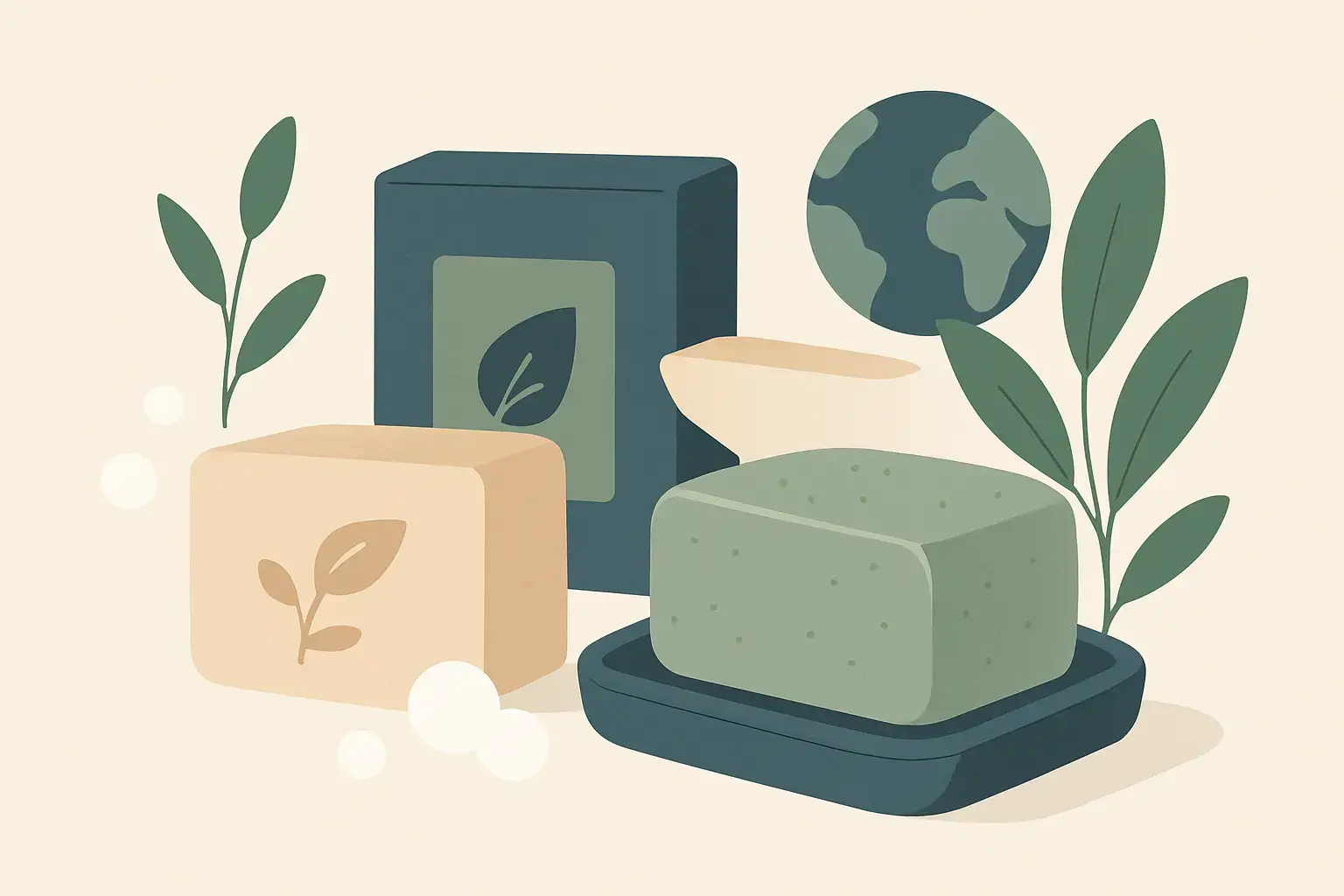
That’s the quiet brilliance of an eco friendly soap gift. It doesn’t sit on a shelf waiting for a special occasion. It becomes part of someone’s daily rhythm – a small, useful luxury that also happens to cut plastic, simplify the bathroom, and feel kind to real skin.
But “eco-friendly” gets slapped on everything now, from brittle bars that melt into mush to heavily perfumed soaps that leave dry, tight hands. If you’re buying a soap gift for someone you care about (especially if they have sensitive or eczema-prone skin), it pays to know what actually matters.
Why soap makes such a strong eco friendly soap gift
A good bar is practical in a way candles and bath confetti rarely are. People wash their hands. They shower. They travel. Soap gets used.
And the environmental wins are immediate: fewer plastic bottles, less shipping weight, and less “bathroom clutter” headed for landfill. A solid bar can replace multiple liquid products over time, and if it’s made well, it lasts.
There’s also a sensory side that makes it feel like a treat. A firm bar with a rich lather, a clean rinse, and a gentle scent profile feels premium in the hand. It turns something routine into something cared-for – without asking the recipient to change their life overnight.
The real test: will it suit their skin?
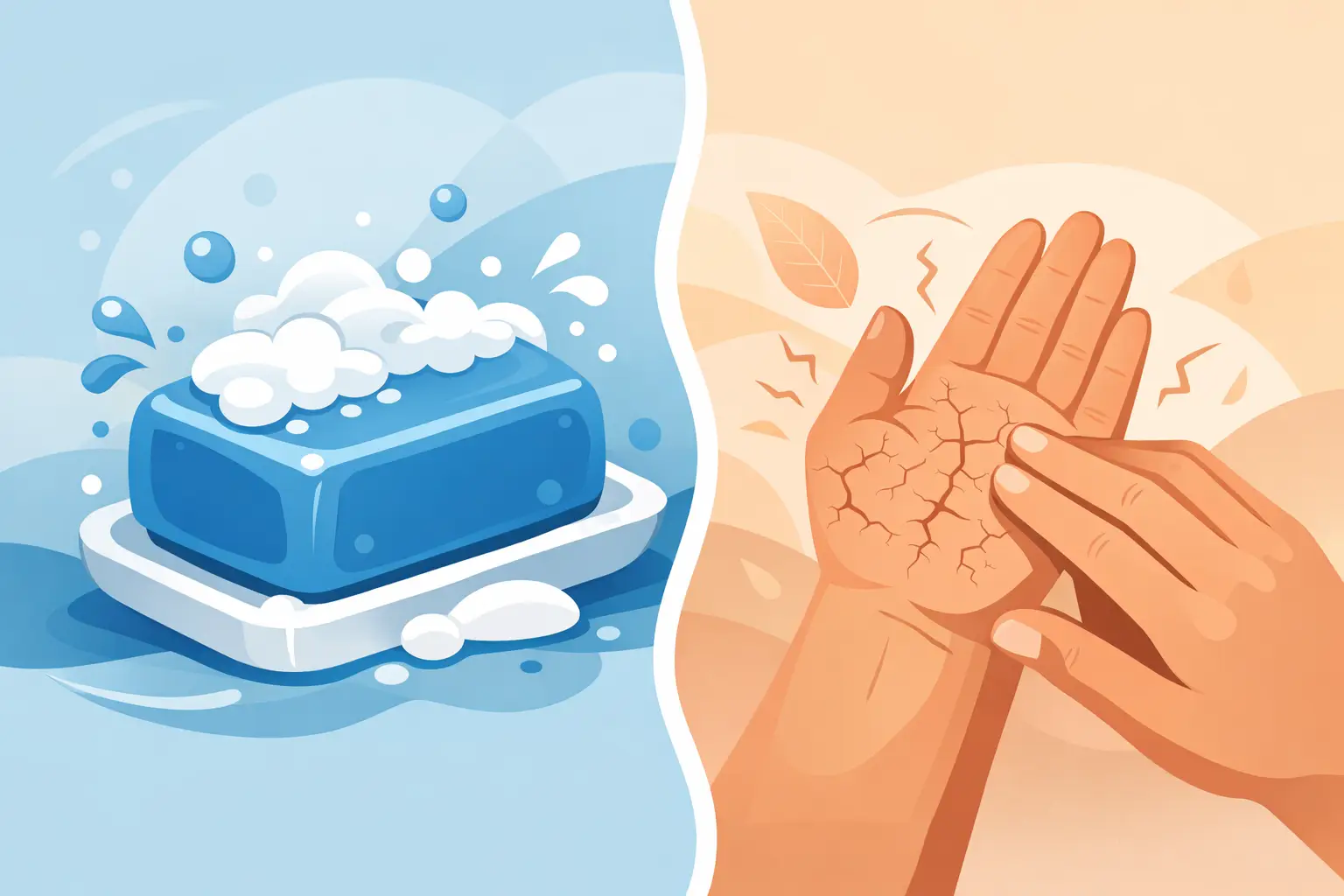
Eco matters, but gifting fails when the soap doesn’t agree with someone’s skin. For dry, reactive, or easily irritated skin, the cleansing base is the difference between “that was lovely” and “why do my hands feel tight?”
Many mainstream soaps and body washes rely on strong detergents and heavy fragrance to create an instant “squeaky clean” sensation. That feeling often comes at the cost of the skin barrier – especially in cold weather, hard-water areas, or for anyone prone to eczema.
A well-formulated traditional soap is different. The fats used, the cure time, and the superfat (extra oils left unsaponified) all influence how the bar behaves on skin. Some people do brilliantly with a simple, fragrance-free bar. Others want a gentle essential oil blend or botanicals like oatmeal. It depends on the person, and it depends on where they’ll use it (face, hands, body).
If you’re buying for someone you know has sensitivities, choose simple. If you’re buying for a “loves a nice scent” friend, keep it natural and balanced rather than overpowering.
What “eco-friendly” should mean in a soap gift
A bar in paper doesn’t automatically equal low impact. Eco-friendly should describe the whole decision, not just the outer wrapper.
Ingredient sourcing you can explain in one sentence
Look for makers who tell you what’s in the soap and where it comes from. Vague labels hide mediocre inputs.
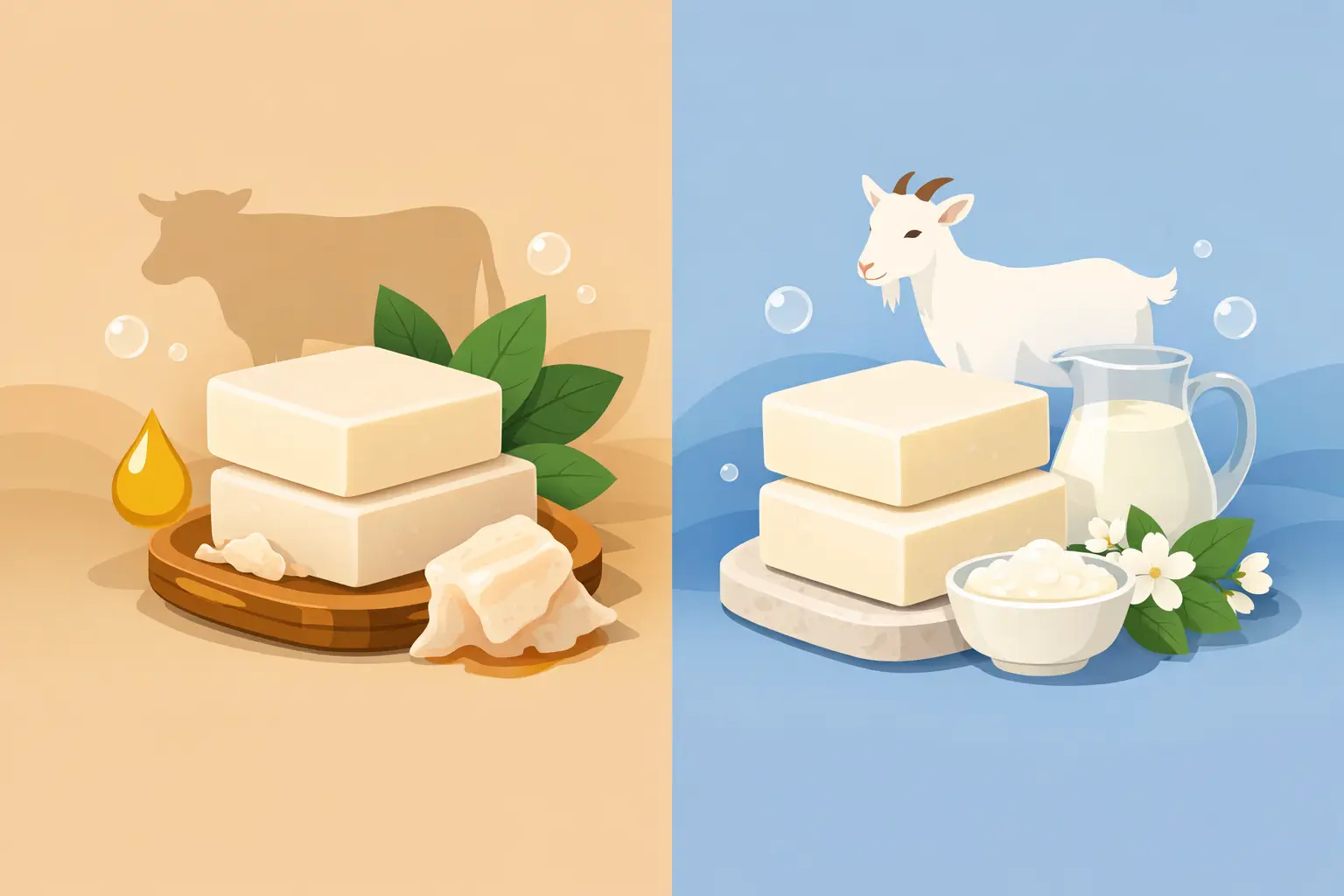
A thoughtful choice is soap made with locally sourced, regenerative ingredients where possible, and with fats that are a natural fit for skin. Tallow, for example, is often misunderstood because it’s not trendy. Yet it’s a traditional soapmaking fat that creates a firm, long-lasting bar and a creamy lather. It’s also a way of respecting the whole animal when sourced responsibly – a practical expression of circular economy thinking.
That said, it’s not the right story for every recipient. Some people prefer plant-only products for personal reasons. If you’re unsure, don’t gamble. Eco-friendly gifting should feel considerate, not provocative.
Packaging that reduces waste without feeling cheap
Plastic-free is the baseline most eco-minded people want. The higher bar is packaging that still feels like a gift.
Good makers manage to keep it simple: paper wraps, card sleeves, compostable tapes, minimal inks. The experience can still be premium if the bar is beautifully stamped, the paper is substantial, and the presentation is calm and intentional.
Avoid anything that relies on excess filler to look “luxurious”. If a gift set contains more shredded paper than product, it’s not really a low-waste choice.
A bar that lasts
A long-lasting bar is an environmental choice. You’re gifting fewer replacements and less resource use over time.
Hardness and cure time matter here. Traditional cold-process soap that’s been properly cured tends to be firmer and longer-wearing. It also feels better to use – less slimy, less messy, and more consistent from first lather to last sliver.
The five details that make a soap gift feel premium
This is where a soap gift stops being “nice” and starts being memorable.
First, the lather. People associate lather with cleansing and comfort. A creamy, dense lather feels indulgent without needing synthetic foaming agents.
Second, the rinse. A good bar cleans without leaving the skin feeling stripped. The skin should feel calm and comfortable, not tight.
Third, the scent profile. Natural scents are usually softer and closer to the skin. That’s often better for gifting because it’s less likely to clash with someone’s perfume, shampoo, or sensitivities.
Fourth, the shape and finish. A well-made bar has clean edges, a consistent stamp, and a weight that feels substantial.
Fifth, the story. Not marketing fluff – a real, grounded explanation of how it’s made and why those ingredients were chosen.
Choosing the right eco friendly soap gift set (without overthinking it)
If you’re standing between “single bar” and “gift set”, think about how well you know the recipient.
A single bar is perfect when you’re buying for a colleague, a teacher gift, a stocking filler, or someone with very specific preferences. Choose a versatile option – gentle, not too scented, suitable for hands and body.
A set is better when you want to create a small ritual. Two or three bars with different purposes can feel considered: one for daily bathing, one for hands or kitchen sink, and one that’s especially soothing. Sets also work well for families because they turn one gift into something shareable.
Do skip the “too much of everything” hamper approach. Fourteen tiny items often means fourteen compromises. A smaller number of excellent bars is more aligned with the eco mindset, and frankly, it looks more confident.
A note on tallow soaps, and who they suit
If you’re shopping in the natural soap world, you’ll see more makers returning to traditional ingredients like tallow – and for good reason.
Tallow-based soap can be exceptionally skin-compatible, particularly for dry or stressed skin. It tends to create a firm bar with a rich, cushioning lather, and many people find it supports a calmer feel after washing.
The trade-off is obvious: it’s animal-derived. For some, that’s a firm no. For others, especially those who prioritise local sourcing and waste minimisation, it can be the most honest option – using a by-product responsibly rather than demanding a new supply chain.
If the recipient is eco-minded but not strictly plant-only, a tallow soap made with transparent, regenerative sourcing can feel like a mature, grounded choice rather than a trend.
Don’t forget the “how to use it” moment
A gift is also a little bit of guidance. You don’t need an instruction card with ten steps, but you do want the recipient to have a great first experience.
If the bar is going in a shower, include (or suggest) a draining soap dish so it dries between uses. That one detail can double the life of the bar and prevent the dreaded mushy underside.
If it’s a hand soap gift, consider whether the household uses very hot water and frequent washing. A gentler formula will be appreciated, and a richer bar will feel less drying.
And if the recipient is new to bar soap, reassure them that a good bar doesn’t have to feel “old-fashioned”. When it’s formulated and cured properly, it’s simply a better way to wash.
What to look for on the label (and what to ignore)
Ingredient lists don’t need to be intimidating. Look for a short list you can read, and for clarity about fragrance.
If it says “parfum” without explanation, that can mean a complex fragrance blend. Some people tolerate it; others react. Essential oils can also irritate very sensitive skin, so “natural” is not a free pass. For gifting, unscented or lightly scented is the safer option.
Also be cautious of big claims. Soap isn’t a medical treatment. It can support comfort and cleanliness, but anyone promising dramatic fixes is selling you a fantasy.
A brand approach that matches the gift
If you want a bar with traditional craft, plastic-free packaging, and a clear sourcing story, choose a maker who does the unglamorous work: small batches, proper cure time, and full transparency. That’s why we respect brands that render and formulate in-house, work with local regenerative farmers, and treat waste as something to design out, not apologise for.
For a single, straightforward place to browse that kind of approach, Luna Natural Soap Co. focuses on cold-process tallow bars, low-waste options like soap ends, and gifting bundles built around real skin comfort rather than hype.
The gifting sweet spot: practical, personal, low-waste
An eco friendly soap gift is at its best when it feels both useful and personal. Useful means it performs – firm bar, gentle cleanse, comfortable skin. Personal means you’ve thought about what the person actually likes: minimal scent, herbal freshness, soothing oatmeal, or a simple everyday staple.
Low-waste then becomes the natural outcome, not the headline. The gift doesn’t shout. It quietly improves someone’s day, and it keeps doing that long after the wrapping has gone.
Choose a bar with integrity, and you’re not just giving soap. You’re giving a small daily reminder that care can be simple, traditional, and genuinely better.