

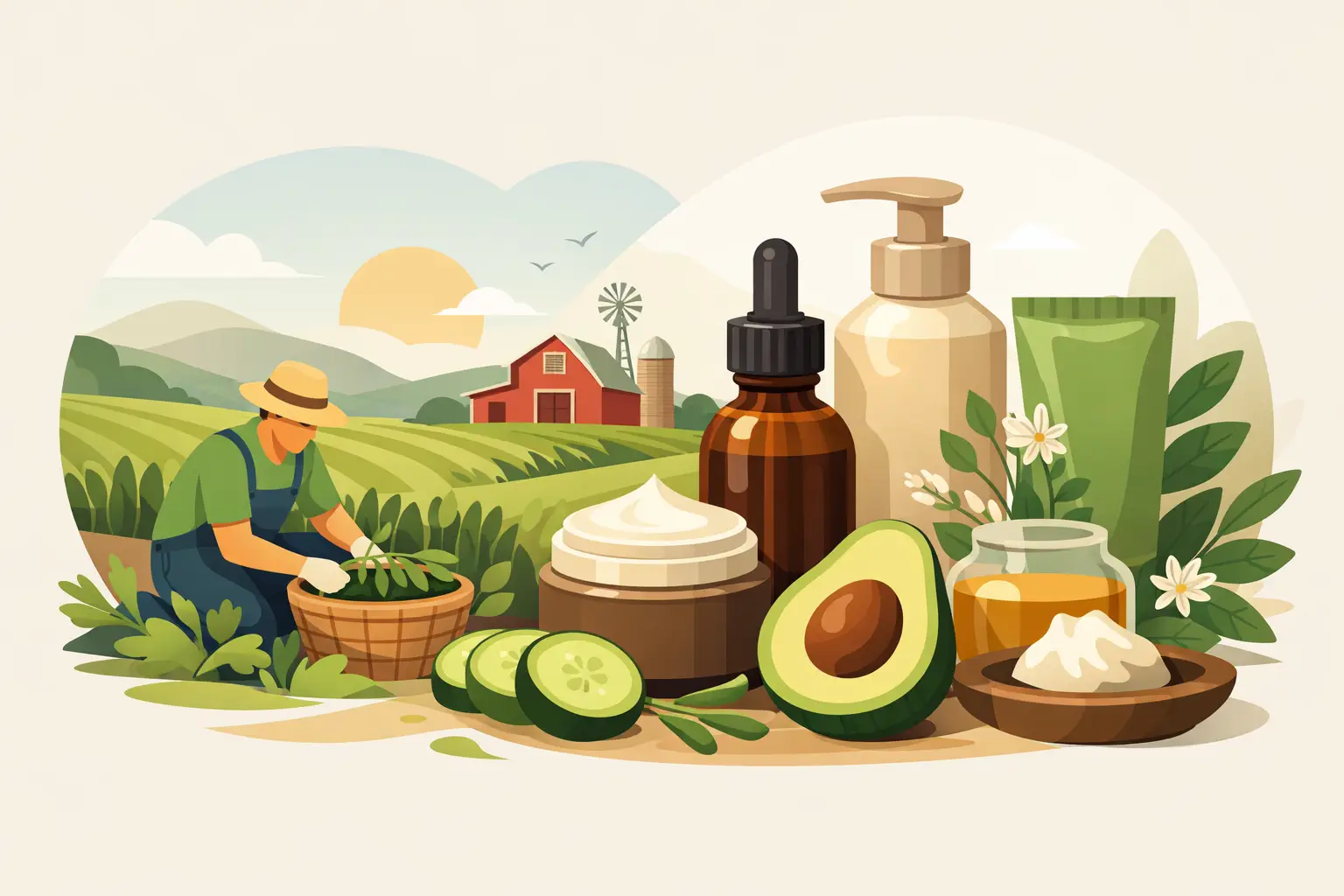
A bar of soap can tell a bigger story than its label allows. A genuine farmer sourced skincare example begins long before oils are blended or a bar is wrapped: it starts with how animals are raised, how materials are handled, and whether a maker is prepared to explain every step. For people with dry, sensitive or easily unsettled skin, that level of care is not a marketing extra. It can shape what touches their skin every day.
At Luna Natural Soap Co., we believe natural skincare should feel both special and sensible. It should be made with ingredients chosen for a reason, crafted patiently, and packaged with less waste in mind. Farmer sourcing is part of that promise – but only when it is backed by real relationships and practical decisions.
What farmer-sourced skincare should mean
“Farmer sourced” can sound reassuring, yet the phrase is only as useful as the detail behind it. It should not simply mean an ingredient passed through several suppliers before reaching a workshop. The strongest examples involve direct or close local sourcing, clear standards for animal welfare and land management, and a maker who knows where a key ingredient comes from.
With tallow skincare, this matters particularly. Tallow is traditionally made from carefully rendered beef fat. When sourced from organic, grass-fed cattle raised by local or regenerative farmers, it can make use of a valuable material that might otherwise be overlooked. This is circular thinking in a very practical form: respecting more of what has already been produced, rather than demanding another newly manufactured ingredient.
The sourcing alone is not the whole story. Quality depends on what happens next. Tallow needs to be rendered slowly and thoroughly, then used in a considered formulation. A beautifully designed label cannot compensate for rushed processing, vague provenance or an ingredient list that does not suit the job the product is meant to do.
A farmer-sourced skincare example in practice
Imagine a small soap maker working with tallow from nearby grass-fed farms. Rather than treating it as an anonymous commodity, they render it in-house in small batches. The finished tallow becomes part of a cold-process soap made with a balanced blend of oils, carefully measured lye and selected botanicals such as oats or herbs.
That bar is then allowed time to cure. This stage is quiet but essential. Curing helps create a firm, longer-lasting bar with a rich lather and a gentle feel in use. The maker can explain the purpose of the ingredients, the origin of the tallow and why the packaging is plastic-free. The farmer, the process and the finished bar remain connected.
This is a useful farmer sourced skincare example because it gives shoppers something more substantial than a pastoral image. It shows traceability, craftsmanship and a lower-waste approach working together. It also makes clear that skincare is not only about the final texture on your hands. It is about the choices made before the product reaches your bathroom.
Why tallow suits real-world skin routines
Tallow has been used in traditional soapmaking and skincare for generations. Its fatty-acid profile is naturally similar to the oils found in human skin, which is one reason many people find tallow-based products comforting in a simple, pared-back routine. It also contains fat-soluble vitamins including A, D, E and K, alongside B12.
In a properly formulated soap, tallow contributes to a creamy lather and a firm bar. It helps make a cleanser that feels less stripping than many harsh detergent-led alternatives. For hands that are frequently washed, bodies prone to dryness, or skin that dislikes heavily fragranced products, this can be a welcome shift.
Still, no ingredient is universal. Sensitive skin can react to essential oils, plant extracts and even ingredients often described as gentle. A person managing eczema or another ongoing skin condition may prefer an unscented bar and should introduce any new product cautiously. Skincare can support a comfortable routine, but it is not a substitute for medical advice or prescribed treatment.
The value of local and regenerative relationships
Local sourcing does not automatically make a product better. A local ingredient still needs sound farming practices, safe handling and honest communication. Equally, not every ingredient can be grown or produced nearby. Coconut oil, for example, is useful in soap for its cleansing qualities, but it is not a British crop.
The meaningful question is whether a brand is thoughtful about each choice. Can it prioritise local, regenerative tallow where this makes sense, while being transparent about other necessary ingredients? Does it avoid needless excess? Does it choose materials for performance as well as appearance?
Regenerative farming adds another layer. Approaches vary from farm to farm, but the shared aim is to support healthier soil, biodiversity and more resilient land management. When skincare makers purchase from farmers who care for the wider system, the relationship can help retain value closer to the source. It is not a perfect equation, and brands should avoid making sweeping environmental claims they cannot evidence. It is, however, a more responsible place to begin.
How to spot the real thing
You do not need a chemistry degree to shop with confidence. Look for a brand that is specific rather than decorative. “Farm sourced” is a broad statement. “Tallow rendered in-house from organic, grass-fed cattle raised by local farmers” gives you something concrete to assess.
The ingredient list should also make sense. A simple cold-process soap may contain saponified oils, tallow, water, glycerin naturally formed during soapmaking, and a small number of purposeful additions. If fragrance is included, it should be declared clearly. If a product is designed for very sensitive skin, the maker should be cautious about promising that it suits everyone.
Packaging tells part of the story too. A plastic-free wrap, recyclable paper label or a box that can be reused is not merely a finishing touch. It reduces the amount of waste attached to an everyday purchase. Options such as soap ends can take that thinking further by ensuring imperfect offcuts still have a useful life.
Finally, notice the language. Trustworthy brands describe what their products are made to do – cleanse gently, produce a satisfying lather, help avoid that tight post-wash feeling – without promising miracles. Skin is individual, and responsible skincare leaves room for that truth.
Making the most of a handcrafted bar
A handmade tallow soap performs best when it is allowed to dry between uses. Keep it on a draining dish rather than in a puddle, and use a washcloth or soap bag if you prefer a fuller lather. This small habit helps the bar last longer, making the purchase go further.
For a simple routine, start with one product at a time. Use a gentle bar for a week or two before adding other new skincare, especially if your skin is reactive. This makes it easier to understand what your skin enjoys. For hands that feel dry after washing, follow with a straightforward moisturiser while they are still slightly damp.
The same care applies when buying a gift. A beautifully wrapped artisan bar is an easy pleasure, but an unscented or lightly scented option is often the most considerate choice when you do not know the recipient’s sensitivities. A gift set with useful, low-waste pieces feels generous without becoming clutter.
Farmer-sourced skincare is at its best when it asks us to pay attention: to the farm, the maker, the material and our own skin. Choose products with a clear origin, a thoughtful purpose and enough honesty to let their craftsmanship speak for itself.