

A few years ago, tallow skincare still felt like something people discovered through word of mouth. A friend with stubborn dry patches mentioned it. Someone with reactive skin quietly swapped out half their bathroom shelf. Then the wider beauty world noticed.
That shift matters, but not for the reasons trend culture usually suggests. The real question is not whether tallow is having a moment. It is whether it can move from novelty into something more lasting, more thoughtful, and more useful for real skin. That is where the future becomes interesting.
The future of tallow skincare trend is not really about novelty
Tallow has history on its side. It is not a lab-created ingredient suddenly dressed up as heritage. It has been used in soapmaking and skincare for generations because it is practical, skin-supportive, and beautifully simple when handled well.
What is new is the context around it. More people are now looking for fewer ingredients, less packaging, better sourcing, and products that do not leave skin feeling tight after every wash. That wider shift gives tallow fresh relevance. In that sense, the future of tallow skincare trend will not be driven by hype alone. It will be shaped by fatigue.
People are tired of complicated routines. Tired of buying one product for cleansing, another for barrier repair, another for redness, then wondering why their skin still feels unsettled. Tallow fits into a quieter idea of skincare. Support the skin barrier. Keep the formula honest. Use ingredients with a job to do.
That does not mean every tallow product is automatically excellent. It means the ingredient is well placed for the direction many customers are already moving.
Why barrier-first skincare gives tallow staying power
If there is one idea likely to define the next phase of natural skincare, it is barrier care. Not in a flashy way. In a practical one.
Dry, sensitive, eczema-prone, and easily irritated skin often responds better to routines that do less, not more. That is one reason tallow continues to gain attention. Its composition is often described as compatible with the skin, and when formulated carefully it can help support softness, comfort, and moisture retention without feeling needlessly complicated.
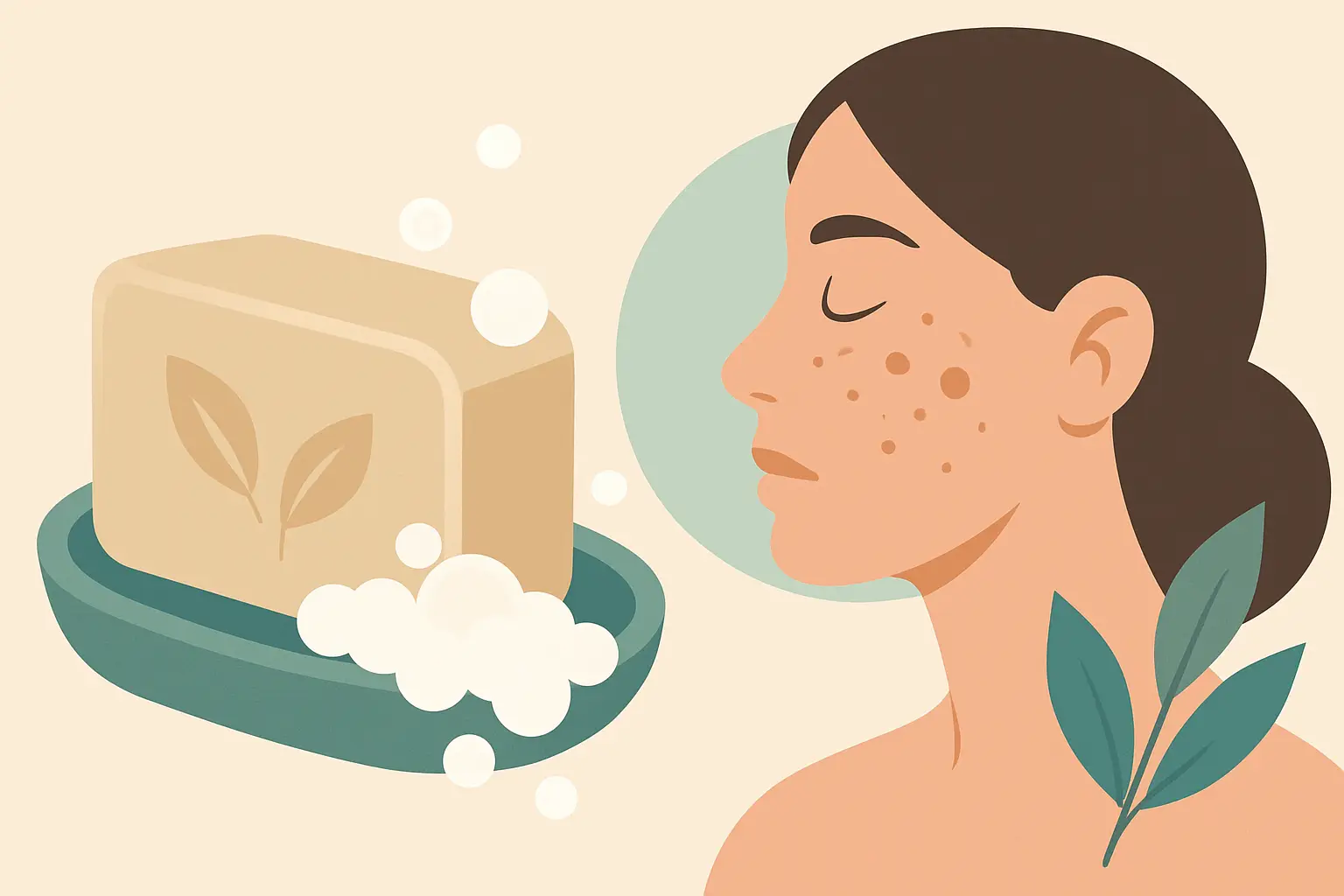
This matters even more in cleansing. Many people still accept that washing should leave skin feeling squeaky clean, when in reality that stripped feeling is often the beginning of the problem. A well-made tallow soap can cleanse properly while remaining gentle enough for skin that needs calm rather than correction.
That is where long-term demand is likely to grow. Not around miracle claims, but around dependable performance. Fewer flare-ups. Less tightness after washing. A routine that feels stable.
The trend will mature, and that is a good thing
Every ingredient trend goes through the same awkward phase. First, it is misunderstood. Then it is overpraised. Then customers start asking better questions.
Tallow is entering that more mature stage now. People want to know where it comes from, how it is rendered, what else is in the formula, and whether the brand treats the ingredient with respect. They should.
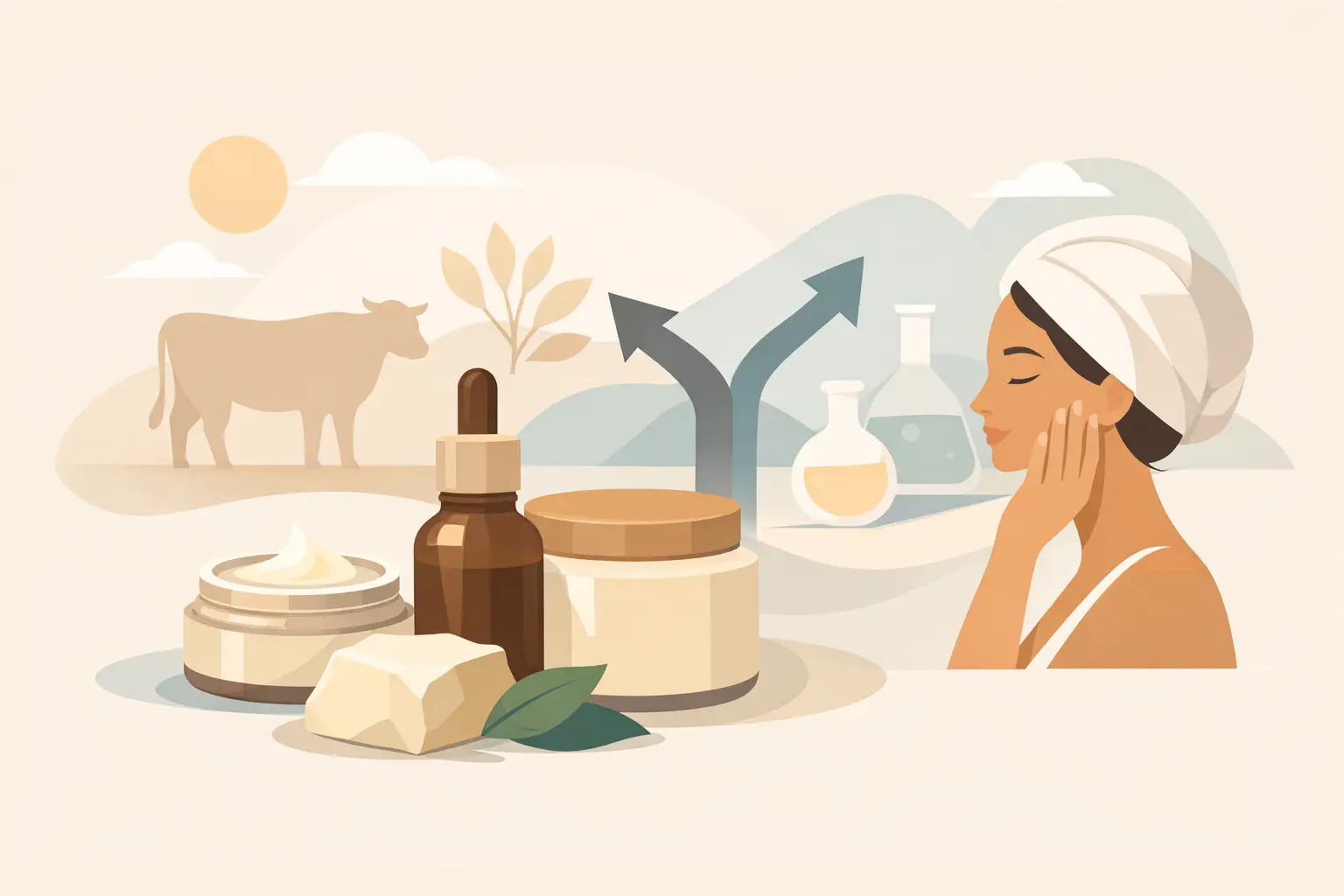
Not all tallow skincare is made in the same way. There is a clear difference between thoughtfully sourced, properly rendered tallow and a product that simply uses the word because it is fashionable. The future of tallow skincare trend will depend heavily on this distinction.
Brands that are transparent about sourcing, process, and formulation will earn trust. Brands that hide behind vague heritage language probably will not keep it for long. Customers are more informed than they used to be. They want provenance, not performance theatre.
For many shoppers, especially those who care about both skin health and sustainability, sourcing will become just as important as results. If tallow comes from regenerative or local farming systems, and if the ingredient is part of a low-waste, circular approach, it tells a stronger story. Not a polished marketing story. A credible one.
Sustainability will shape the future of tallow skincare trend
This is where tallow has a real advantage, but also a responsibility.
As a by-product, tallow can sit within a circular economy model that values the whole animal and reduces waste. For customers trying to buy more consciously, that matters. It offers an alternative to the endless churn of overprocessed ingredients, excess plastic, and products that promise purity while ignoring production.
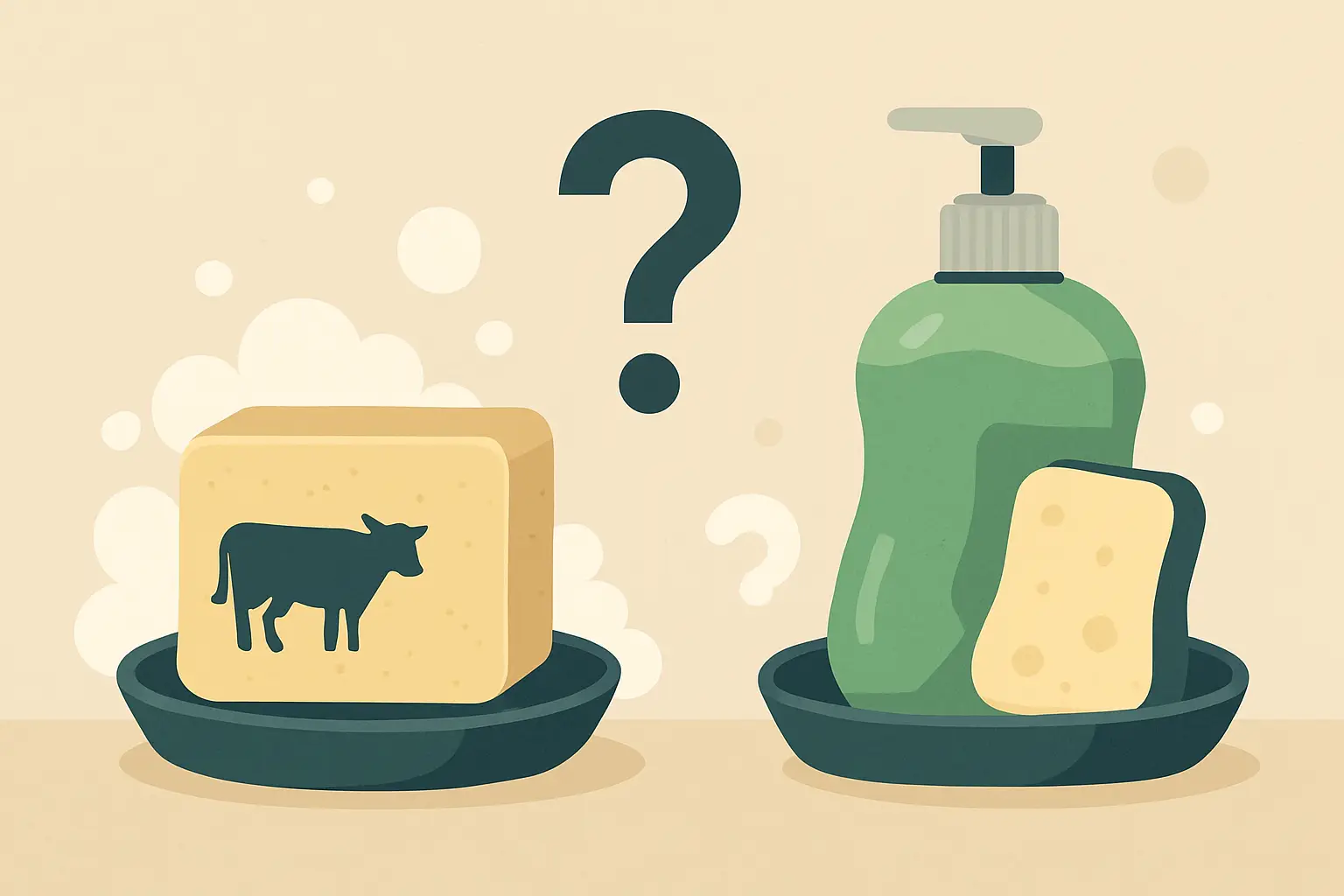
Still, sustainability claims need care. Tallow will not suit everyone ethically, and brands should be honest about that rather than defensive. Some shoppers will always prefer plant-only skincare. That is fair. Others will see responsibly sourced tallow as a more grounded, less wasteful choice than many conventional options. That is fair too.
The future here is not about winning an argument. It is about clarity. People make better decisions when brands speak plainly about what they use, why they use it, and how it is sourced.
That is one reason smaller makers may continue to lead this category. They can often show the full chain more clearly – from farm relationships to rendering methods to finished bar. For customers who value traceability, that level of openness is not a nice extra. It is part of the product.
Expect less gimmick, more craftsmanship
As the category grows, the strongest products will probably be the least theatrical.
There will always be brands trying to turn tallow into a shock-value ingredient. That may win attention, but it rarely builds loyalty. The products that last tend to be the ones made with restraint: balanced formulas, excellent texture, purposeful botanicals, and clear use cases.
That could mean more tallow soaps designed around specific skin needs, such as very dry skin, easily congested skin, or skin that becomes reactive in cold weather. It could also mean greater interest in complementary formats like cleansing bars for face and body, solid household bars, and simple giftable routines that replace several synthetic-heavy staples at once.
Craftsmanship will matter more too. Tallow is not just an ingredient to drop into a formula. Its quality depends on handling. Slow rendering, careful blending, and traditional soapmaking methods all affect the final experience – the firmness of the bar, the quality of the lather, and how the skin feels afterwards.
That is why educated customers often come back to the maker, not just the ingredient. They learn quickly that a good tallow product feels considered.
What could hold the trend back
The biggest risk to tallow skincare is not lack of interest. It is poor execution.
If too many products come to market with rough textures, strong animal scent, weak sourcing standards, or exaggerated claims, the category could lose trust. Customers may try one disappointing product and decide tallow is not for them, when the real issue was quality.
There is also the risk of over-positioning tallow as a cure-all. It is a valuable ingredient, but skin is personal. What works beautifully for one person may not suit another, especially if fragrance, essential oils, or other active ingredients are involved. Tallow can support a routine, but it does not remove the need for thoughtful formulation or realistic expectations.
Education will be crucial here. Customers do not need jargon. They need clear guidance on what a product is for, who it may suit, and what kind of results are reasonable.
What shoppers will look for next
As the category matures, buyers are likely to become more selective. They will look beyond the ingredient name and ask better questions about the whole product.
They will want simple formulas with a clear purpose. They will notice whether a bar lasts well and lathers richly. They will care about whether the packaging is plastic-free, whether the product feels luxurious enough to gift, and whether the maker sounds experienced rather than fashionable.
They will also look for reassurance. Sensitive skin customers, especially, are not shopping for excitement. They are shopping for relief, comfort, and confidence. They want to know a product was made for real bathrooms, real winters, and real skin that does not always behave.
That is where brands with a calm, transparent approach will continue to stand out. At Luna Natural Soap Co., this has always been part of the point. Tallow is not presented as a gimmick. It is treated as a premium, traditional ingredient that earns its place through performance, sourcing, and care.
So where is it all heading?
The most likely future is not mass-market dominance or a passing craze. It is steady growth among people who value ingredient integrity, barrier support, and low-waste living.
Tallow skincare will probably remain a considered choice rather than a universal one, and that is no weakness. In many ways, that selectiveness is what protects its future. It keeps the conversation focused on quality, sourcing, and skin comfort instead of noise.
The next chapter belongs to brands and customers who understand that skincare does not need to be complicated to feel luxurious. Sometimes the most modern choice is also the most time-honoured one.
If the trend keeps moving in that direction – towards better sourcing, better education, and better products – tallow will stop feeling like a trend at all. It will simply become part of how more people care for their skin, with less fuss and more trust.