

If your skin feels tight straight after cleansing, you already know the problem: your routine is doing the job too loudly. Foam, fragrance, and “deep clean” promises can leave real skin feeling squeaky – then sore – then suddenly reactive to everything.
Grass fed tallow skincare sits at the opposite end of that spectrum. It is old-fashioned in the best way: a nourishing, skin-compatible fat used thoughtfully, with minimal ingredients and no need for clever marketing tricks. For dry, sensitive, eczema-prone, or simply over-cleansed skin, it can be the difference between managing symptoms and supporting the barrier so it has a chance to settle.
What grass fed tallow skincare actually is
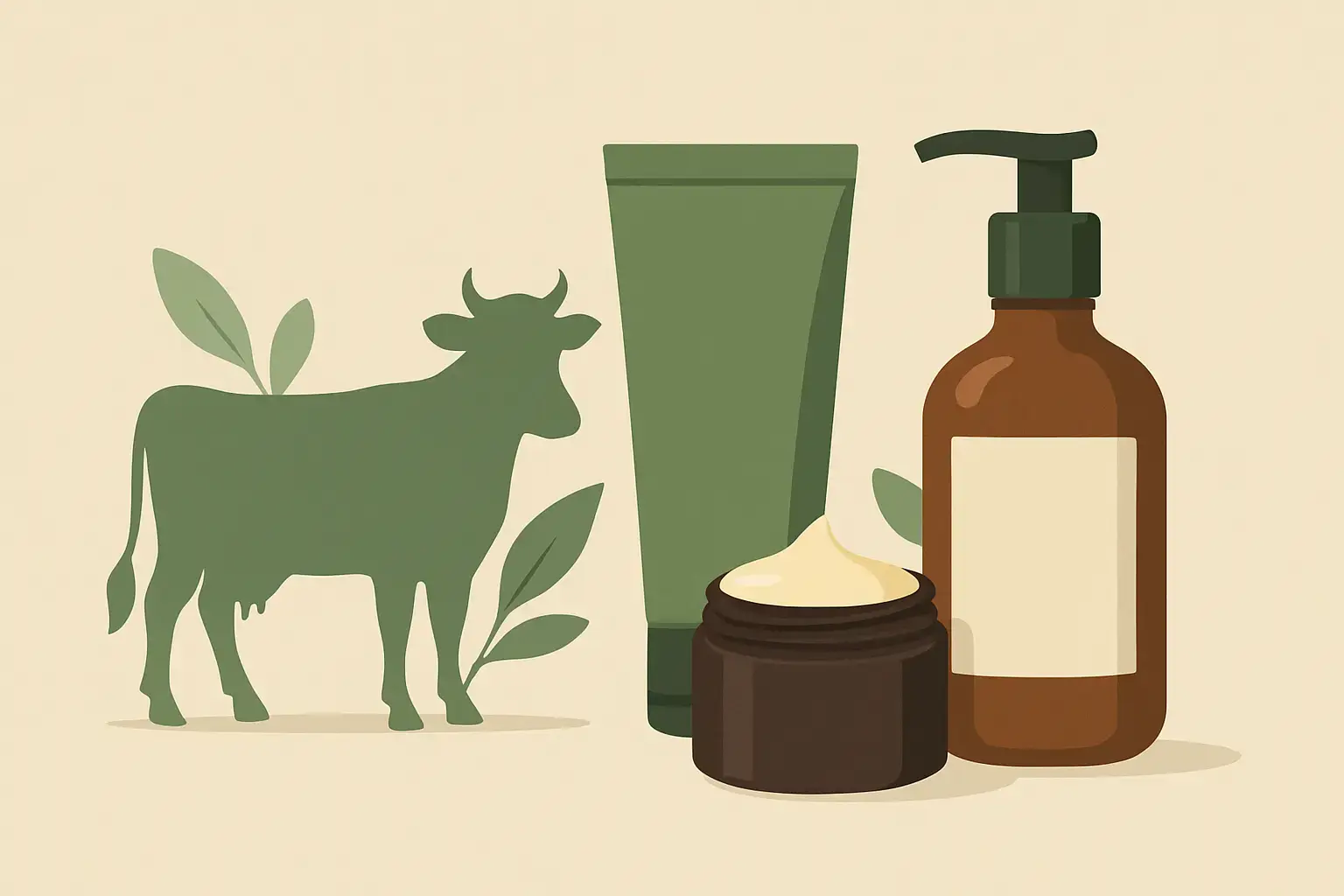
Tallow is rendered fat, typically from beef or sheep. In skincare it is used as a base fat in soapmaking or as a balm-style moisturiser. “Grass-fed” matters because it speaks to how the animal was raised and, usually, how the ingredient is sourced and handled. In practice, grass-fed tallow is often associated with higher standards, better traceability, and a more nutrient-dense fat profile, although it still depends on the farm, the season, and the rendering process.
When people hear “fat on the skin”, they sometimes imagine heaviness or clogged pores. But a well-made tallow product feels surprisingly natural. It melts at skin temperature and, when formulated properly, it does not sit on top like a waxy coating. The goal is comfort: support the skin’s own protective layer rather than strip it and try to rebuild it with a long list of additives.
Why tallow can feel so skin-friendly
Your skin barrier is not just “dry skin” versus “oily skin”. It is a living, protective system made of lipids, proteins, and water. When the lipid layer is compromised, water escapes more easily and irritants get in more easily. That is when you see the familiar cycle of dryness, itch, redness, and flare-ups.
Tallow’s natural fatty acid profile is one reason it performs so well for barrier support. It contains fats that are structurally similar to the lipids found in healthy skin. That similarity does not mean it is a medical treatment, but it does help explain why many people find it comforting and straightforward – especially when their skin is tired of being “corrected”.
Tallow is also naturally rich in fat-soluble vitamins such as A, D, E, and K, and it is often described as containing B12 as well. In a simple formula, that richness matters because there is nowhere for the benefits to hide. You are not relying on a trace amount of a fashionable extract to do the heavy lifting. You are relying on the base ingredient itself.
The difference between tallow soap and tallow balm
People often start with tallow soap, then graduate to a balm. They do different jobs.
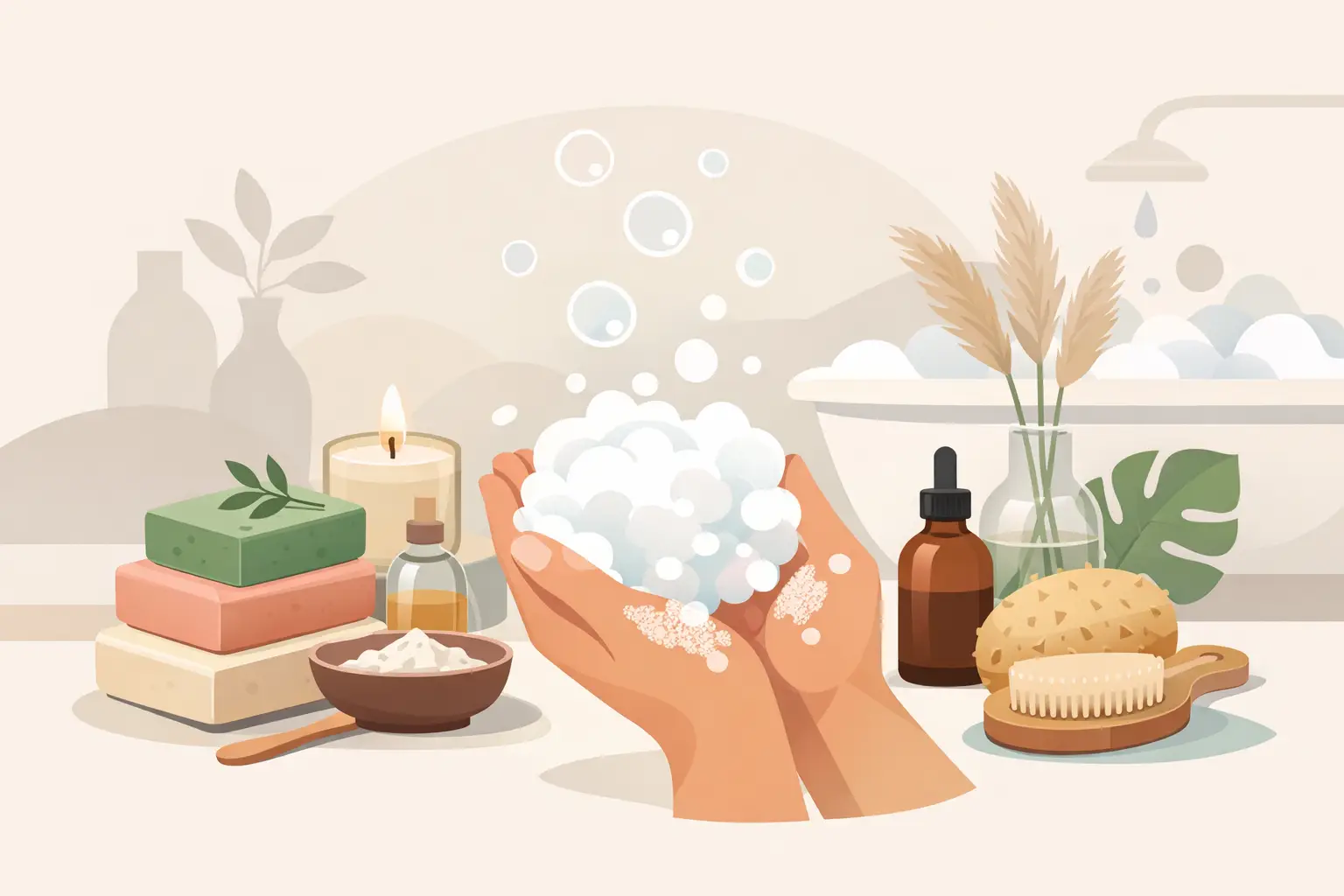
A cold-process tallow soap is a true soap made by saponifying fats with an alkali. Done well, it cleans without the harshness of detergent-based washes. It can be a game-changer for hands, body, and even facial skin that cannot tolerate aggressive surfactants.
A tallow balm is leave-on care. It is for locking in moisture, softening rough patches, and supporting a compromised barrier. If your skin is cracking, flaking, or reacting to “lightweight” moisturisers that contain lots of water plus preservatives, a balm can feel like relief because it is simple and concentrated.
The trade-off is texture. Balms are richer, and you need less than you think. If you apply balm like a lotion, it will feel heavy.
Who tends to love it (and who might not)
Grass fed tallow skincare is often a favourite for people who describe their skin as dry, sensitive, eczema-prone, wind-chapped, or easily upset by fragrance. It also suits anyone trying to simplify – fewer bottles, fewer ingredients, less guesswork.
It may not be the first choice if you strongly prefer vegan skincare, or if you know your skin cannot tolerate rich occlusive products. Acne-prone skin is a “depends” category. Some people find tallow remarkably balancing because it reduces irritation and over-stripping. Others find any richer product can contribute to congestion if they are already prone to blocked pores or if they use too much, too often.
If you are navigating a diagnosed skin condition, patch testing still matters. “Natural” is not a guarantee of universal compatibility. It is a choice about ingredient philosophy and formulation simplicity.
What makes a good grass-fed tallow product
Quality comes down to process and transparency, not fancy packaging.
First, look for tallow that is rendered slowly and carefully. Rendering is not glamorous, but it is where the feel and scent are won or lost. When tallow is cleaned and purified properly, it should smell clean and mild – not beefy, not overpowering.
Second, pay attention to the rest of the formula. A soap bar with a well-considered blend of fats can be creamy and firm with a rich lather, whereas a poorly balanced bar can feel drying or slimy. With balms, simpler is often better: tallow plus a small number of supportive oils can be plenty.
Third, sourcing matters. “Grass-fed” should not be an empty label. The best makers can tell you where it came from, why they chose that farm, and how they handle the ingredient from start to finish.
How to use tallow skincare without overdoing it
Most people get better results when they use less product and fewer steps.
For cleansing, use lukewarm water and a short cleanse. Work the bar between wet hands first to create a creamy lather, then press it onto the skin. Avoid scrubbing when your barrier is already irritated. Pat dry rather than rubbing with a towel.
For moisturising with a balm, warm a tiny amount between fingers until it melts, then press it into damp skin. Damp matters. Water is part of healthy skin, and balm helps keep it there. Start with once a day, usually in the evening. If you wake up feeling greasy, you used too much. If you wake up comfortable, you found your amount.
On hands, elbows, and knees, you can be more generous. On facial skin, especially if you are congestion-prone, keep it light and reassess after a week.
Pairing tallow with actives: what to watch
Many people come to tallow because they have had a fallout with strong actives. You do not need to abandon everything, but you do need to respect your barrier.
If you use acids, retinoids, or benzoyl peroxide, think in terms of “less often, more intentionally”. Tallow-based care can sit alongside actives by supporting comfort on the off-nights, but it will not cancel out over-exfoliation. If your skin is stinging, peeling, or suddenly reactive, pause the actives and let the barrier settle.
Also be mindful of fragrance and essential oils. Some people tolerate them well, others do not. If you are buying tallow products specifically for sensitive skin, choosing low-scent or unscented options is usually the calmer route.
The sustainability side (without the virtue theatre)
There is a practical environmental argument for tallow: it can be a way of using a valuable by-product from animals already raised for food. When sourced responsibly, it supports a more circular approach to materials that might otherwise be wasted.
That said, sustainability is only as strong as the supply chain. Local sourcing, regenerative farming practices, and plastic-free packaging all make a real difference. So does making products that work well enough that you actually finish them.
If you are exploring traditional, small-batch tallow bars made with in-house rendered, locally sourced fat and plastic-free packaging, Luna Natural Soap Co. shares that process openly at https://Www.lunasoap.ie.
A calmer way to think about skincare
Trends come and go, but your skin barrier is not interested in novelty. It wants consistency, gentle cleansing, and enough lipids to stay resilient.
Grass fed tallow skincare is not about chasing perfection. It is about making your daily routine feel kinder, so your skin can spend less time reacting and more time simply being skin. If you start small, listen closely, and give it a couple of weeks, you will learn something useful either way – what your skin actually responds to when the noise is turned down.