

The scent of a soap bar can set the tone for a whole small ritual. A fresh herbal lather may help you feel awake at the sink; a soft floral note can make an evening wash feel more settled. But a good guide to choosing soap scents starts with a quieter question: how does your skin feel after using it?
For many people, fragrance is a pleasure. For dry, reactive or eczema-prone skin, it can also be the difference between a bar they enjoy and one they cannot use. The right choice is not always the strongest scent or the most fashionable one. It is the bar that cleanses gently, feels good in the hand and leaves your skin comfortable.
A guide to choosing soap scents that starts with skin
Scent should come after the foundations of a well-made bar. Look first at the soap itself: the quality of its oils and fats, how it has been cured, and whether it creates a creamy, conditioning lather rather than a harsh, stripped feeling.
Traditional tallow soap is valued for this reason. Its fatty-acid profile is close to that of our own skin, helping create a firm bar with a rich lather that washes without the squeaky-clean feeling many people associate with dryness. A carefully formulated bar can make fragrance feel like a finishing touch, rather than the main event.
If your skin is easily unsettled, begin with an unscented bar. This is not the lesser choice. It is often the most luxurious one for skin that needs less noise and more care. An unscented soap lets you judge how your skin responds to the base formula without introducing fragrant essential oils or perfume compounds.
Once you know your skin is happy with a particular soap, you may wish to try a lightly scented option. Start with one bar at a time and use it consistently for a week or two. If tightness, itching, redness or persistent dryness develops, pause use. Skin can react to many things, and fragrance is one possible trigger worth considering.
Natural scent is not automatically gentle
It is easy to assume that a botanical scent is always mild because it comes from nature. In practice, essential oils are concentrated plant materials. Lavender, citrus, peppermint and tea tree can smell beautiful, but they still contain naturally occurring aromatic compounds that may not suit every person or every skin condition.
That does not mean scented soap is off limits. It means choosing with care. A lightly fragranced bar used on normal, resilient skin may be a lovely everyday choice. Someone with an active eczema flare, facial sensitivity or a history of fragrance reactions may be better served by keeping their most vulnerable areas fragrance-free.
The same person can make different choices for different uses. You might prefer an unscented bar for hands that are washed often, a gentle oat-based bar for the shower, and a brighter herbal scent for an occasional morning wash. There is no need for one bar to do every job.
Let the moment guide the scent family
The scent that suits you often depends on when and where you use the soap. Rather than chasing a long list of notes, think about the feeling you want from the ritual.
Fresh, herbal scents tend to suit morning routines and kitchen use. Mint, rosemary and green botanicals can feel clean and brisk, especially after gardening, cooking or a workout. Their character is clear and energising, so a lighter formulation is often more enjoyable than an intensely perfumed bar.
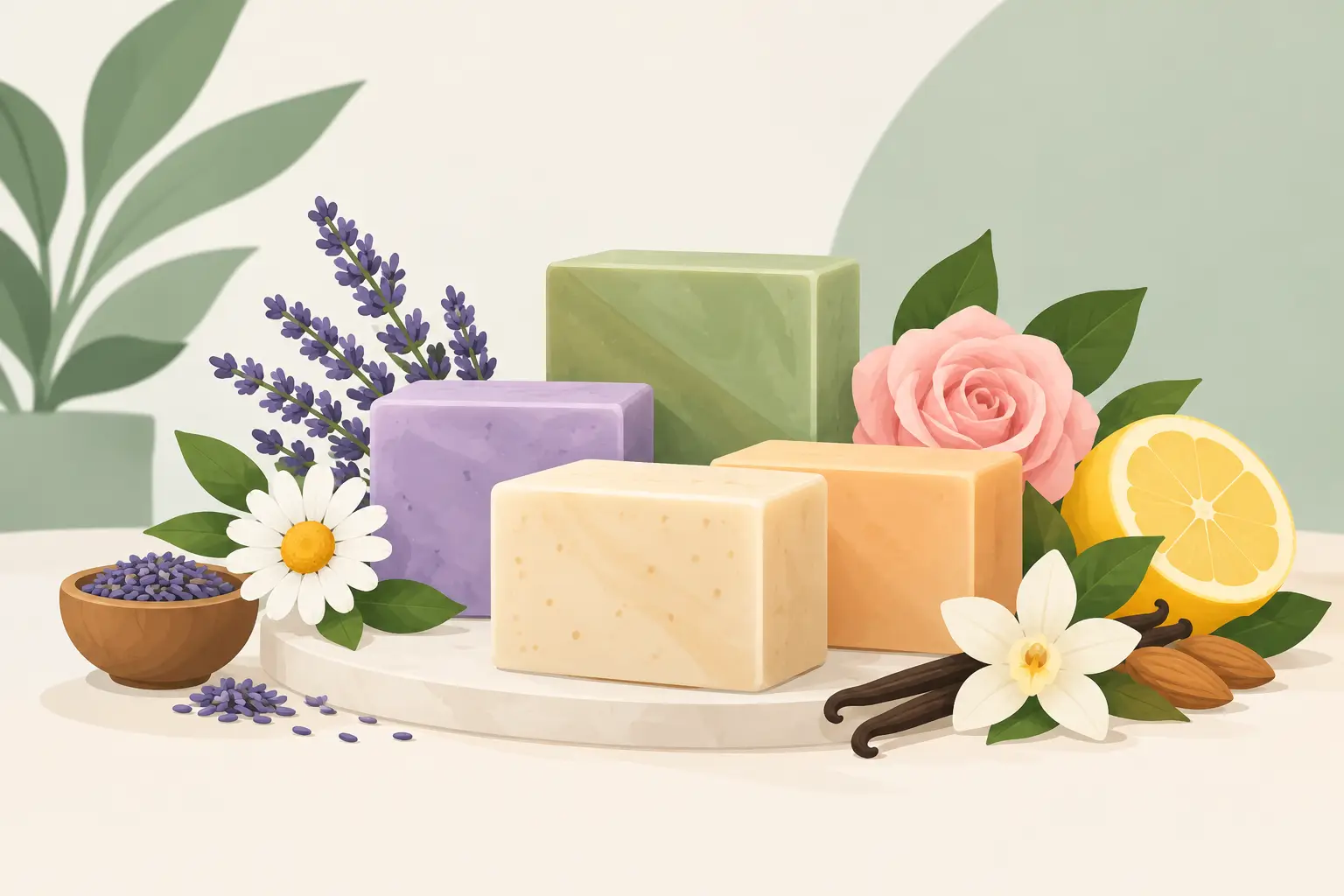
Soft floral scents bring a gentler mood. Lavender is a familiar choice for evening bathing because it feels calm and familiar, while rose and geranium can feel more traditionally luxurious. These are often chosen for gifting, too, because they make an everyday bar feel considered without being overly unusual.
Citrus scents such as lemon, sweet orange or bergamot bring brightness. They work well in a downstairs loo, beside the kitchen sink or as a pick-me-up in a morning shower. Citrus can fade more quickly than heavier scent profiles in cold-process soap, which is not a flaw. A subtle scent can be a sign of restraint.
Warm, grounding notes such as cedarwood, frankincense, spice or gentle resin appeal to those who prefer less sweetness. They can make a bathroom feel more like a quiet retreat, particularly in colder months. These profiles are often a thoughtful choice for people who do not enjoy conventional floral products.
Think about who will use the bar
A soap on the family basin needs a different approach from a bar chosen solely for you. If children, guests or several people with different skin needs will use it, mild or unscented is usually the simplest choice. Save more distinctive scents for a personal soap dish, where they can be enjoyed without asking everyone else to adapt.
For a gift, choose scent according to the recipient’s habits rather than your own. A keen gardener may appreciate an herbal bar. Someone who prefers simple skincare may value a beautiful unscented soap more than a strong perfume. If you do not know their sensitivities, gentler is wiser.
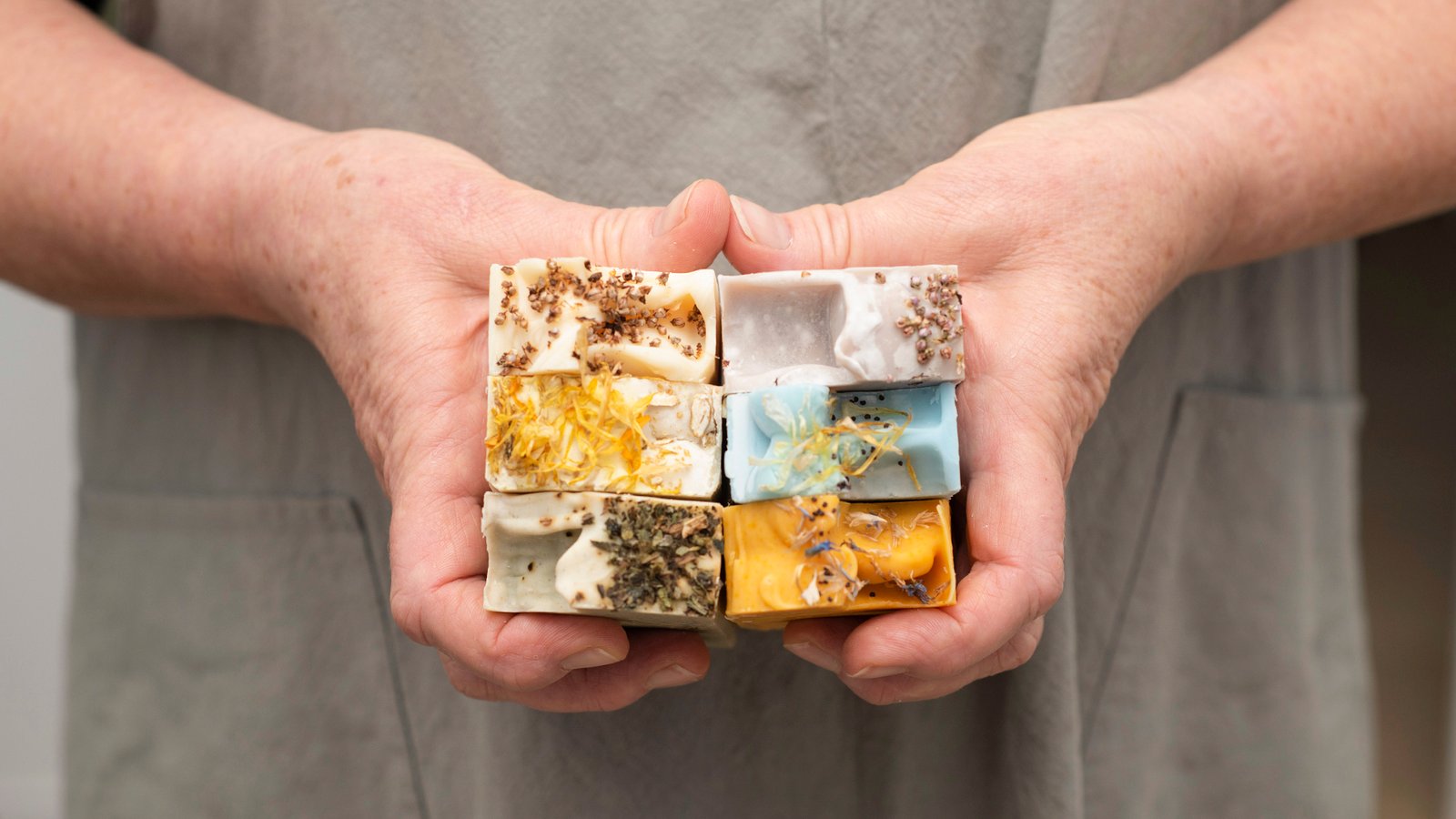
This is also where the quality of the presentation matters. A handmade bar with a clear ingredient story, plastic-free wrapping and a scent that feels considered makes a useful gift feel special. At Luna Natural Soap Co., the aim is not to cover a room with perfume. It is to make everyday care feel more generous, through traditional methods, thoughtfully chosen ingredients and bars made for real skin.
Read the label with confidence
You do not need to be a cosmetic chemist to shop well. First, identify whether the bar is unscented, scented with essential oils, or made with a fragrance blend. Then consider where you will use it and how your skin usually behaves.
If you know you react to fragrance, choose products labelled fragrance-free or unscented and read the full ingredient list. Be aware that “unscented” generally means no fragrance has been added for smell, while a naturally scented product may still contain aromatic ingredients. If you have diagnosed allergies or severe eczema, follow the advice of your GP, dermatologist or allergy specialist before trying new products.
For scented bars, less can genuinely be more. A soap does not have to smell powerful in its wrapper to be enjoyable in use. Cold-process soap is rinsed away, so its fragrance should be part of the experience, not something that lingers so heavily it competes with your moisturiser, candle or perfume.
Keep the scent true from first use to last
How you store soap affects both its life and its scent. Leave the bar somewhere it can dry between washes, ideally on a draining dish rather than in a pool of water. This helps preserve a firm, long-lasting bar and prevents the surface from becoming soft.
Keep unopened soaps away from direct sunlight, radiators and damp cupboards. If you are buying several bars, store them in a cool, dry place and bring one into use at a time. Natural scents can soften over months, particularly bright citrus and delicate herbs, but a well-stored bar should still offer a pleasing wash.
A final test is simple: notice how the soap makes you feel after a few uses. Your hands should feel clean but not tight. Your shower should feel like care, not compromise. Choose the scent that adds a little pleasure, then let comfortable skin have the final say.