

A beautiful gift should not leave someone with a handful of plastic to throw away before they have even enjoyed it. This guide to plastic free gifting is for choosing presents with real purpose: useful things, made with care, wrapped simply, and designed to be enjoyed long after the occasion has passed.
Plastic-free gifting is not about making everything look homespun or denying someone a little luxury. Quite the opposite. It is an opportunity to give fewer, better things. A hand-finished bar of soap, a nourishing balm or a useful kitchen essential can feel more personal than a box filled with novelty items and layers of disposable packaging.
Start with the life of the gift
Before choosing colours, ribbon or a card, consider what will happen to the gift after it is opened. Will it be used often? Will the recipient know how to care for it? Can the packaging be recycled, composted, reused or simply avoided?
The most thoughtful plastic-free gifts tend to fit naturally into everyday life. For a friend who loves a long bath, that may mean a gentle soap and a soft cotton washcloth. For someone setting up a new home, it could be a solid dish soap that replaces a bottle of washing-up liquid. For a parent with sensitive skin, a simple, fragrance-conscious cleansing bar may be far more welcome than another scented candle.
This approach also avoids a common trap: buying an object solely because it is labelled sustainable. A bamboo item that sits unused at the back of a cupboard is still waste. Choose for the person first, then consider the materials and packaging.
Choose practical luxury over disposable novelty
A gift does not need to be extravagant to feel generous. It needs to be considered. Products made slowly, from well-chosen ingredients, carry a sense of occasion because their quality is visible in the details.
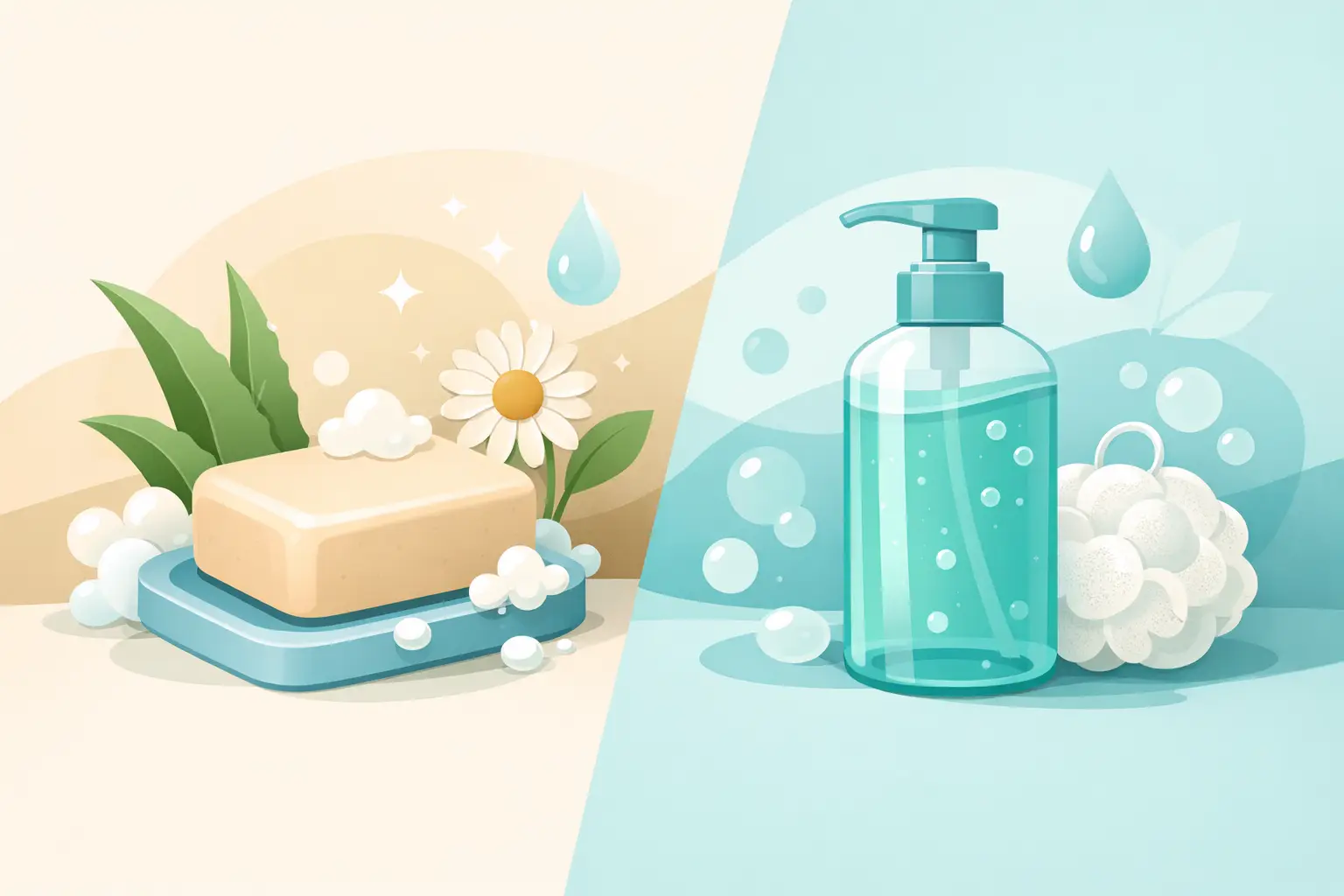
Handmade soap is a strong example. A firm, traditionally made bar offers a rich lather and can turn an ordinary daily routine into a small ritual. For dry or easily irritated skin, the formulation matters as much as the presentation. A bar made with skin-compatible fats and thoughtful ingredients can cleanse gently without leaving skin feeling tight and stripped.
At Luna Natural Soap Co., tallow is slowly rendered in-house and paired with traditional soapmaking methods to create bars that feel both practical and indulgent. It is a material choice with a purpose: grass-fed tallow is valued for its naturally occurring vitamins and its affinity with the skin barrier. That makes it particularly meaningful for people who are tired of harsh cleansers, overloaded bathroom cabinets and vague beauty promises.
The same principle applies beyond skincare. Think refillable pantry staples, a well-made mug from a local potter, a linen bread bag, gardening seeds in paper packets or a cookbook chosen for the way the recipient actually cooks. Useful gifts are not impersonal. They say, “I noticed what you value.”
A guide to plastic free gifting for different people
The best present depends on the person, not the trend. A little observation goes a long way.
For the skincare lover, choose a small routine rather than an overwhelming assortment. A gentle facial or body bar, paired with a simple soap dish, is easy to use and avoids the waste that comes with miniature bottles. If their skin is sensitive or eczema-prone, keep ingredients straightforward and avoid assuming that heavily fragranced means luxurious.
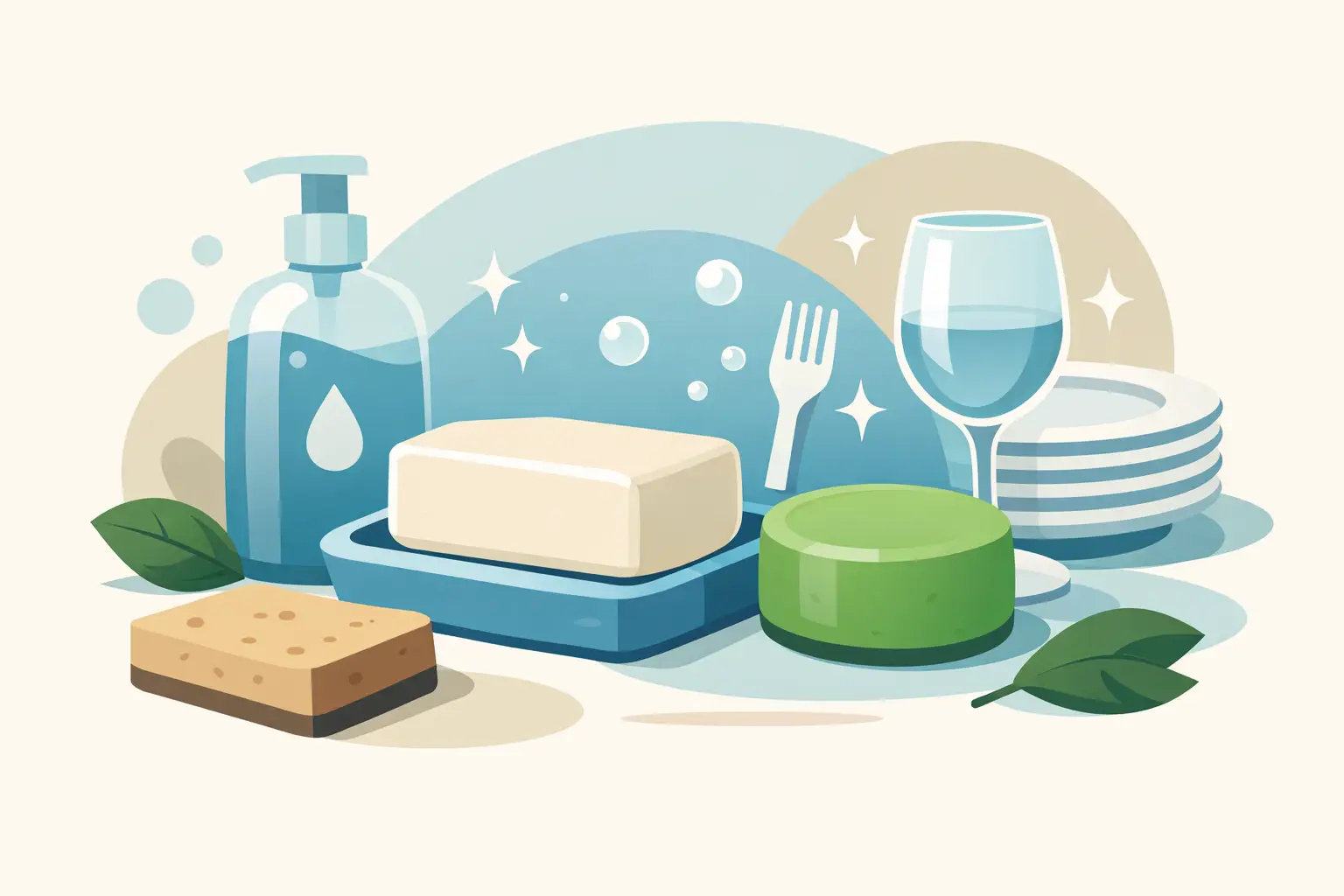
For the busy household, useful home essentials are often the kindest choice. A solid dish soap, natural fibre brush or a set of durable cleaning cloths can replace repeat purchases of plastic bottles and disposable sponges. These gifts work especially well for housewarmings, new parents or anyone trying to make small, manageable changes at home.
For someone who already has plenty, choose consumables. A beautiful soap bar, loose-leaf tea, locally made preserves or a favourite baked treat can be enjoyed fully rather than stored indefinitely. Consumable gifts are not a lesser option. When chosen well, they are often the most considered.
For a difficult-to-buy-for relative, shared time may be the right answer. Cook them a meal, arrange a countryside walk, offer a few hours of practical help or create a handwritten voucher for a future afternoon together. A plastic-free gift can be an experience, not an object.
Look beyond the word “plastic-free”
A paper sleeve alone does not tell the whole story. Packaging is only one part of the decision. Consider the item itself, where it was made, how far it has travelled, whether it is built to last and what happens when it reaches the end of its useful life.
There are trade-offs. Glass is recyclable and often reusable, but it is heavier to transport and can be impractical for some homes. Metal tins can be useful for refills or storing small items, but only if they are likely to be kept. Compostable packaging can be a good choice, though it needs the right local waste facilities to break down as intended.
The aim is not perfection. It is to avoid needless plastic where a simpler, lower-waste option is available. A parcel sent in recyclable cardboard with a paper label is usually a better choice than a heavily boxed gift wrapped in plastic film. But a gift bought locally and carried home in a reused bag may be better still.
Be wary of vague green language too. Words such as “eco-friendly” do not explain materials, sourcing or disposal. Look for clear information. Is the soap wrapped in paper? Is the card free from glitter and foil? Is the ribbon fabric, paper or something the recipient can reuse? Honest detail is more useful than a fashionable label.
Wrap with care, not excess
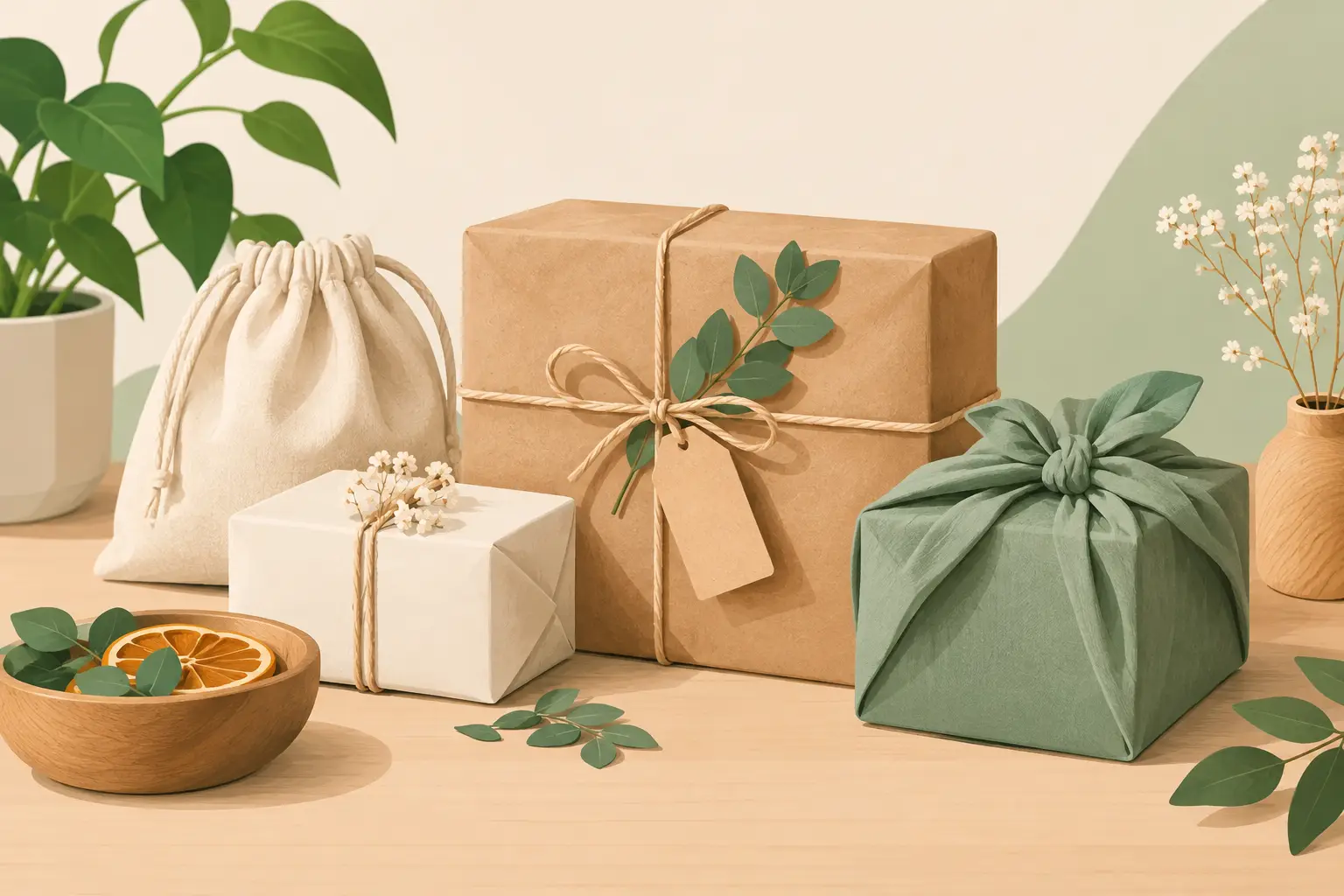
Plastic-free wrapping can look calm, generous and celebratory. It does not need to be brown paper and twine every time, although both are reliable choices. Reused gift bags, fabric squares, tea towels, scarves, old maps, children’s artwork and saved ribbons can all make a present feel more personal.
When buying new wrapping, choose plain recyclable paper without plastic coating, glitter or metallic finishes. Paper tape is a simple swap for clear adhesive tape. For tags, cut small shapes from leftover card or use a dried leaf, sprig of rosemary or a cinnamon stick as part of the decoration. These details bring warmth without creating more rubbish.
If you are posting a gift, protect it with recycled paper, cardboard or compostable packing materials rather than plastic bubble wrap. Keep the outer parcel plain and secure. There is no need for a second layer of decorative packaging that will be discarded at the door.
A thoughtful note matters more than elaborate wrapping. Write why you chose the gift, especially if it supports a small maker, uses traditional methods or is intended to make daily life a little gentler. That short explanation turns an ordinary item into a story worth keeping.
Give gifts that make lower-waste living easier
The most effective gifts remove a small friction from someone’s day. A beautiful soap dish helps a bar last longer. A cotton produce bag makes shopping habits easier to change. A refillable flask earns its place when it is light enough to carry and pleasant to use.
This is where quality matters. A plastic-free alternative that falls apart quickly can create frustration and more waste. It is worth choosing fewer items from makers who are open about their materials and methods. Look for durable construction, sensible sizing and clear care instructions.
For gift sets, restraint is a virtue. Two or three complementary items are often more appealing than a large hamper packed with fillers. A bar for the bath, a bar for the kitchen and a reusable accessory create a complete, useful gift without excess. Leave room for the recipient’s own preferences and routines.
Make the occasion part of the gift
Plastic-free gifting is ultimately about attention. It asks you to pause before adding another item to the basket and consider whether it will bring comfort, usefulness or genuine pleasure.
Choose something made with integrity. Wrap it simply. Add a few words that show you know the person receiving it. The result feels generous in the moment, and gentler long after the paper has been folded away.