


That clean, squeaky feeling after washing is often mistaken for freshness. For dry, sensitive or eczema-prone skin, it can be a sign that cleansing has taken too much away. This guide to skin barrier cleansing is about a gentler standard: skin that feels clean, comfortable and calm, rather than tight, hot or thirsty.
Your cleanser matters, but so do the water temperature, how long it stays on your skin, what you use afterwards and how often you wash. A thoughtful routine does not need a crowded bathroom shelf. It needs a few well-chosen habits, repeated kindly.
What your skin barrier actually does
The outermost layer of your skin, known as the skin barrier, is your daily protective boundary. Think of it as a compact wall of skin cells and natural lipids that helps hold water in while keeping irritants, pollutants and microbes out. When it is working well, skin tends to feel supple and settled.
When that barrier is under strain, water escapes more easily. Skin may feel rough, sting when you apply familiar products, look red or flaky, or become more reactive than usual. Cold weather, central heating, stress, over-exfoliation, long hot showers and harsh cleansing can all contribute.
Cleansing is not the enemy. Skin needs to be washed, particularly after sunscreen, sweat, city grime or a busy day. The aim is to remove what does not belong on the skin without repeatedly stripping the oils and lipids that help it feel protected.
Guide to skin barrier cleansing: start with less force
The best cleansing routine is rarely the most aggressive one. If your face feels tight within minutes of drying it, or your hands repeatedly crack after washing up, consider whether your routine is doing more work than your skin needs.
Start with lukewarm water. Very hot water feels comforting, especially in a British winter, but it can increase dryness and leave reactive skin more unsettled. Keep showers reasonably brief, and avoid scrubbing with flannels, exfoliating mitts or cleansing brushes when skin is already sore.
Use enough cleanser to create a light lather, not a thick coating. Massage with your fingertips for around 20 to 30 seconds, then rinse thoroughly and pat dry with a soft towel. Rubbing the face or body until it is completely dry adds unnecessary friction.
There is also no prize for cleansing twice when once is enough. A single gentle cleanse in the evening is sufficient for many people. In the morning, a splash of lukewarm water may suit dry or sensitive skin, especially if you did not sweat heavily overnight. If you wear water-resistant sunscreen, make-up, or have very oily skin, you may need a more thorough evening cleanse. Skin care is personal, and the right approach depends on what is on your skin and how it responds.
Choose a cleanser for your skin, not a trend
A gentle cleanser should leave skin feeling clean but not bare. Look beyond fashionable claims and consider how a formula is made, how it lathers and what your own skin tells you after a week or two of use.
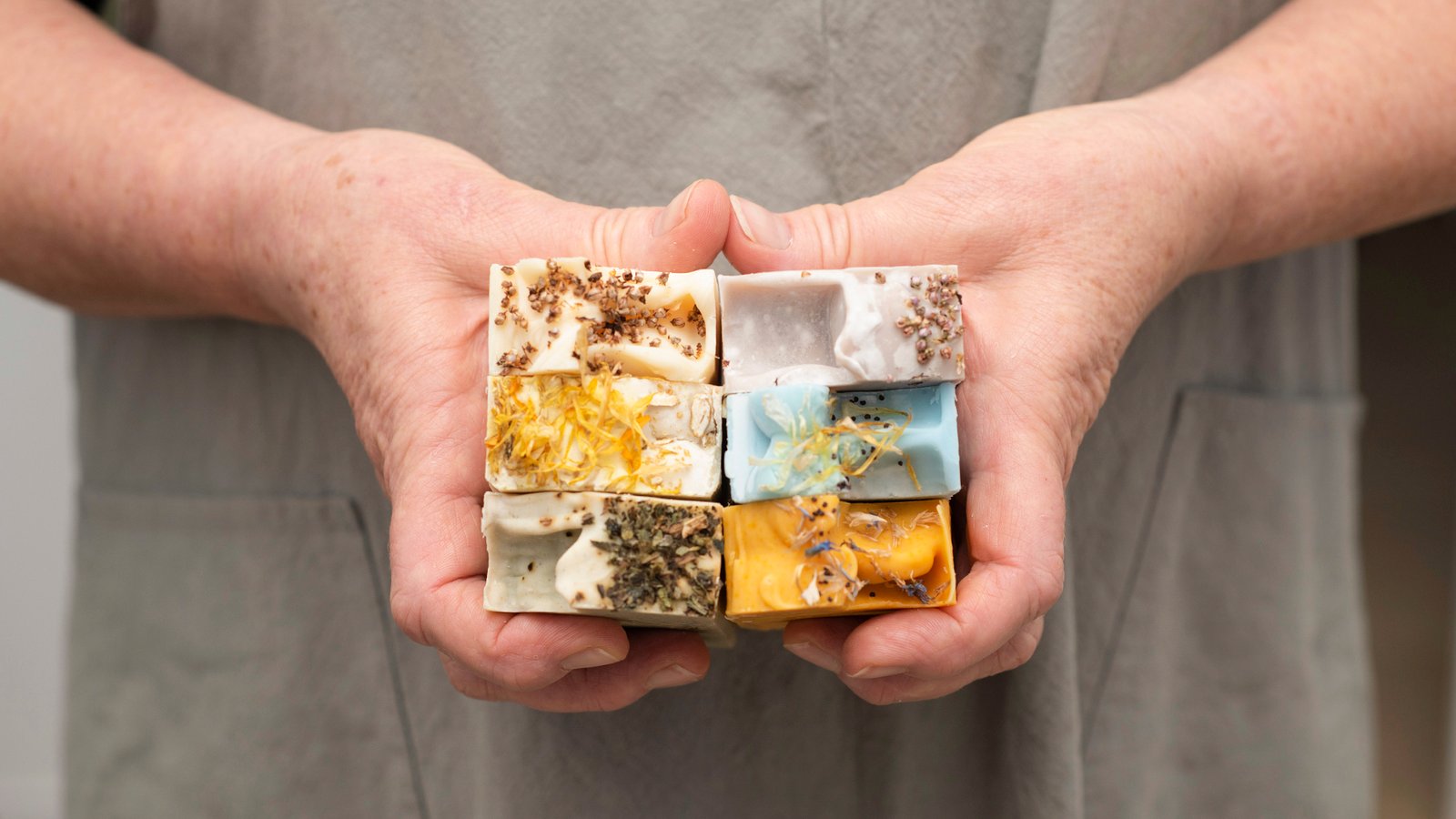
Traditional cold-process soap is made by combining oils or fats with an alkali. A well-made bar can be firm, long-lasting and satisfying to use, with a rich lather and no plastic bottle required. Tallow has a long history in traditional skin care and soapmaking. Its fatty-acid profile is valued for its skin-compatible feel, while quality tallow also naturally contains fat-soluble vitamins including A, D, E and K.
Still, it is worth being clear: all true soap is naturally alkaline. This does not make it automatically unsuitable, but it does mean skin response matters. Some people with dry or compromised facial skin prefer a low-pH cream or gel cleanser, while others are comfortable using a carefully formulated tallow soap bar on the face and body. For many, a bar is particularly useful on hands and body, where frequent washing can be both necessary and drying.
Fragrance is another personal consideration. Essential oils and botanical additions can be beautiful, but even natural scent can be troublesome for highly reactive skin. If you are managing flare-ups, choose the simplest option available and introduce new products one at a time. Oatmeal may feel comforting for some, while others need a completely plain bar. Natural is not a guarantee of suitability. Careful formulation and individual tolerance matter more.
At Luna Natural Soap Co., bars are made in small batches using traditionally crafted, in-house rendered tallow sourced from regenerative and local farmers. That level of ingredient traceability matters when you are trying to simplify your routine and understand what your skin is meeting each day.
Cleanse at the right moments
Over-cleansing is often accidental. You might wash your face after a workout, again in the shower, then again before bed. You might use hand sanitiser throughout the day and follow it with hot water and strong soap at the sink. Each step seems small, but repeated exposure can leave hands and skin feeling depleted.
For most people, cleanse the face in the evening and wash the body where it needs it: underarms, feet, groin and any visibly dirty areas. Daily full-body scrubbing with cleanser is not essential for everyone. On less sweaty days, rinsing the limbs with water may be enough.
Hands are the exception because hygiene demands frequent washing. After each wash, apply a plain, nourishing hand cream or balm while the skin is still slightly damp. Keep one beside the kitchen sink, one in your bag and one by the bed. This simple habit often makes more difference than changing products every fortnight.
Follow cleansing with moisture, promptly
Cleansing and moisturising work best as a pair. Once you have patted skin dry, apply your moisturiser while it is still slightly damp. This helps reduce water loss and gives emollient ingredients a better chance to soften and support the surface of the skin.
If your skin is very dry, a richer balm or cream may be more helpful than a light lotion. If it is oily but dehydrated, a lighter moisturiser may feel more comfortable. The goal is not to leave a heavy film at all costs. It is to find a texture you will use consistently.
For body skin, this can be as simple as moisturising after a shower. For the face, keep the steps calm: cleanse, moisturise and apply sunscreen in the morning. Add actives such as exfoliating acids, retinoids or vitamin C only when your skin is settled. Introducing several potent products at once makes it difficult to know what is helping and what is causing irritation.
Signs that your routine needs a reset
Skin barriers do not usually become stressed overnight, and they do not always recover in a day. Give a simpler routine time. If you notice persistent stinging, redness, itching, peeling, rough patches or breakouts that worsen after cleansing, stop introducing new products and return to gentle basics.
For a short reset, use lukewarm water, a mild cleanser only where needed, a straightforward moisturiser and daily sunscreen. Pause scrubs, peels, strong acids and fragranced treatments until skin feels comfortable again. Patch test new products on a small area first, particularly if you have a history of sensitivity.
Eczema, rosacea, persistent acne and unexplained rashes deserve professional advice. A pharmacist, GP or dermatologist can help you distinguish a disrupted barrier from a condition that needs targeted treatment. Gentle skin care can support comfort, but it should not replace medical care.
Small choices that protect skin and reduce waste
Barrier-friendly care can also be lower-waste care. A solid cleansing bar avoids the repeated plastic bottles common in the bathroom, and a firm, properly cured bar can last well when stored dry between uses. Choose a draining soap dish, keep the bar away from standing water and use every last piece. Soap ends can be gathered in a small sisal bag or used beside the sink for hands.
Sustainability should never require you to tolerate a product that does not suit your skin. The most responsible choice is one that works well, is used fully and fits naturally into your daily life. Begin with gentler water, fewer products and a cleanser your skin can live with comfortably. Calm skin is rarely built through force. It is built through steady, uncomplicated care.