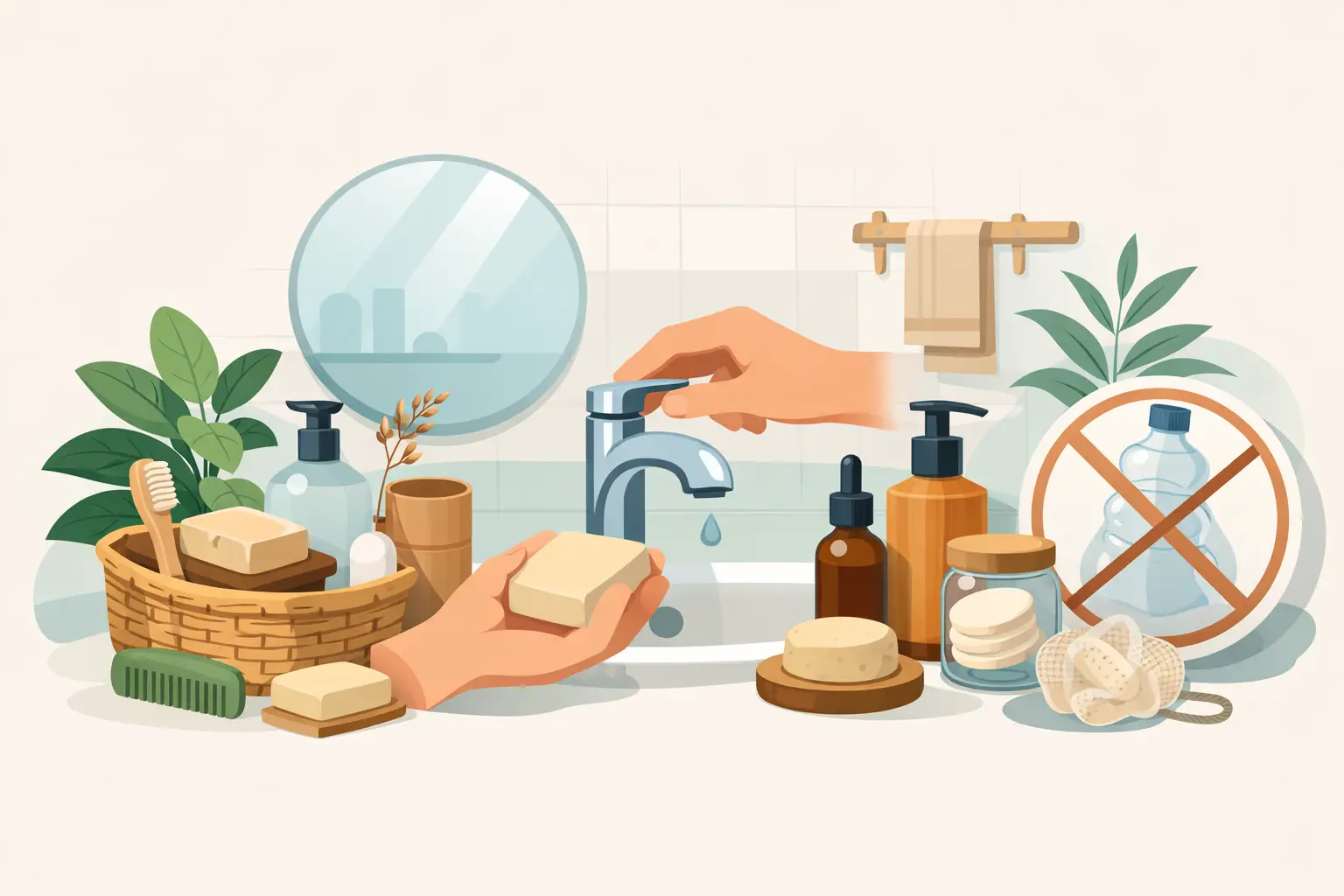



A good bar should not turn to mush by the side of the sink after a few washes. If you are wondering how to make bar soap last longer, the answer is usually less about the soap itself and more about what happens between uses. Water, airflow and daily habits make the difference between a firm, long-lasting bar and one that disappears far too quickly.
That matters even more when you choose a traditionally made bar. Handmade soap is rich, nourishing and beautifully simple, but it is also best treated with a little care. A well-made bar can last surprisingly well when it is allowed to dry properly and used in the right way.
Why bar soap melts away too quickly
Bar soap does not really wear out from washing alone. More often, it softens because it sits in water or stays damp for too long. Every time a wet bar is left on a flat dish with no drainage, the surface keeps dissolving. The next person uses more than they need, more of it rinses away, and the cycle repeats.
This is especially true in busy family bathrooms, warm shower spaces and homes where a bar is used several times a day. Humidity slows drying, and soft soap never gets the chance to firm up again. Even a high-quality bar will seem short-lived in those conditions.
There is also a difference between commercial detergent bars and traditional cold-process soap. Handmade bars often contain natural glycerine, which is wonderful for skin comfort but can attract moisture from the air. That does not make them poor value. It simply means storage matters.
How to make bar soap last longer at home
The first rule is simple. Keep the bar as dry as possible between uses. That starts with the soap dish.
Choose a draining soap dish
A proper soap dish should allow water to run away and air to circulate around the bar. Slatted wood, ridged ceramic and raised trays all work well if they do not let the soap sit in a puddle. A smooth dish with no drainage may look tidy, but it shortens the life of the bar.
If your sink or shower area tends to stay wet, it is worth placing the dish somewhere with better airflow, even if that means keeping the soap slightly away from the spray. A bar stored just out of the stream of water will last much longer than one left on the edge of the bath or in a soaked shower corner.
Let the bar dry fully between uses
Soap needs rest. After washing, set it down somewhere it can dry on all sides as much as possible. If one face of the bar stays sealed against a wet surface, that side will soften first.
In households with more than one bathroom, it can help to rotate bars rather than keeping one in constant use. This is not essential, but it does give each bar more drying time. If you love a rich, creamy lather, that small pause between uses often keeps the bar firmer for longer.
Keep it out of standing water
This sounds obvious, but it catches people out. A soap dish can look dry while still collecting a thin layer of water underneath. Lift it now and then. If water pools below, empty it and wipe it clean.
In the shower, this matters even more. Steam, splashes and poor drainage can keep the area constantly damp. If possible, store the bar on a raised dish or rack rather than directly on a shelf.
Use less soap, not more pressure
A bar wears down faster when it is rubbed aggressively under running water for too long. You do not need much to get a good cleanse, especially with a well-cured handmade soap.
Lather in your hands first
Instead of holding the bar under the tap and working it until it shrinks, wet your hands briefly, rub the bar a few times, and build the lather in your palms. Then set the bar aside. This uses less product and keeps the bar from becoming over-saturated.
For body washing, the same idea applies. A few passes over a flannel, soap saver bag or pair of wet hands are usually enough. Constant rubbing directly onto the skin can use more soap than needed.
Do not leave it under running water
This is one of the quickest ways to shorten the life of a bar. Warm water softens the surface almost immediately. If the bar sits in the basin while the tap is running, you are quite literally washing it away.
It helps to think of handmade soap as a crafted skincare product rather than a throwaway item. A little mindful use goes a long way.
Cut large bars if needed
If you buy generous artisan bars, cutting them into two smaller pieces can make them easier to manage. One half stays dry in the cupboard while the other is in use. This works particularly well for guest bathrooms, travel or homes where the bar tends to be left in wet conditions.
Smaller pieces also dry faster. That is useful if several people are using the same sink and the soap never quite gets a break. The trade-off is that very tiny pieces can be fiddly, so aim for practical chunks rather than slivers.
Cure time can make a difference
If you have bought freshly made handmade soap, giving it extra time to sit in a cool, dry place can help it become even harder. A well-cured bar generally lasts longer because more water has evaporated from it before use.
Not every bar needs this, and many are ready to use when sold. Still, if you like to buy a few at once, storing some away for later can be worthwhile. Keep them somewhere dry with airflow, such as a linen cupboard or shelf, not sealed in a steamy bathroom cabinet.
The right accessories help more than people think
There is no need to overcomplicate things, but a few practical tools can help you make the most of each bar.
A soap saver bag is useful for small leftover pieces. It lets you use every bit without waste and creates a lovely lather at the same time. A well-designed soap dish is not just an accessory either. It is part of how the bar performs over time.
If you use bar soap in the kitchen or utility area, the same rules apply. Household bars can soften quickly beside a wet sink, so drainage matters there too.
Storage matters before you even open the bar
Knowing how to make bar soap last longer is not only about the time it spends by the sink. Unused bars should also be stored properly. Keep them in a cool, dry place away from direct sunlight and humidity. Too much moisture in storage can soften them before they are even opened.
A drawer, cupboard or open shelf usually works better than the bathroom. If the bars are wrapped, make sure they can still breathe if the packaging allows for it. Traditional soap benefits from airflow.
This is one reason many people who switch to natural soap enjoy buying ahead. Properly stored bars keep well, and often become harder and longer-lasting with time.
Does the soap formula affect how long it lasts?
Yes, to a point. Some bars are naturally firmer than others. A well-formulated tallow soap, for example, is often prized for its hardness, creamy lather and slow, steady use. Ingredients, cure time and how the soap is made all affect longevity.
But formula is only half the story. Even a firm bar will disappear quickly if it is left soaked after every use. On the other hand, a thoughtfully stored handmade bar can last very well and feel luxurious from first wash to last.
That balance matters for people with dry or sensitive skin. Harsh detergent bars may seem to last forever, but they can leave skin feeling tight and stripped. A gentler bar that supports the skin barrier is often the better choice, even if it asks for a proper soap dish and a little care.
Common mistakes that shorten a bar’s life
A few habits crop up again and again. Leaving soap on the edge of the bath, storing it in the direct line of the shower, and using a dish with no drainage are the big ones. Sharing one soft bar between multiple wet-handed users can also wear it down quickly.
Another mistake is assuming soft means poor quality. Handmade soap can feel softer at the surface because it contains natural humectants and nourishing fats. That can be part of what makes it kinder to troubled skin. The goal is not to make it artificially hard at the expense of comfort. The goal is to let a well-made bar dry as it should.
For families, it may help to keep one bar for hands and a separate one for the shower. That simple change can improve hygiene, reduce overuse and give each bar a better chance to dry between uses.
A small habit that saves money and waste
When a bar lasts longer, you buy less often, waste less product and get better value from every wash. That is good for your bathroom shelf and good for the wider shift towards lower-waste daily routines. It is one of the quiet strengths of solid soap – simple, effective, and easy to use well once you know what it needs.
At Luna Natural Soap Co., we believe a bar should feel indulgent and practical in equal measure. Treated well, a handcrafted soap rewards you with a firm bar, a generous lather and a slower, more satisfying daily rhythm.
Give your soap a dry resting place, use it with a lighter hand, and let craftsmanship do the rest.