

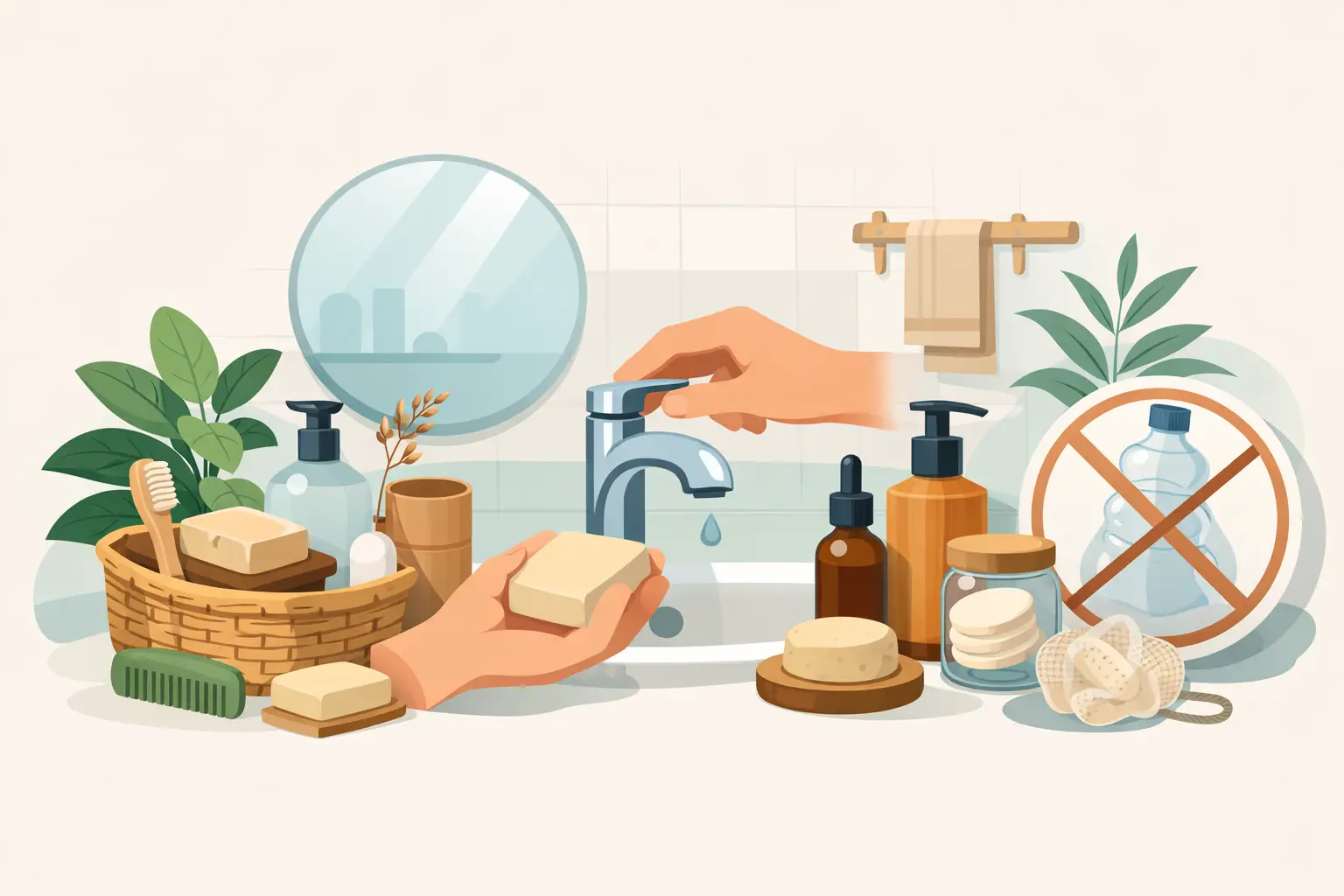
The average bathroom can hide a surprising amount of plastic: shampoo bottles clustered around the bath, disposable razors in the cabinet, pumps, tubes, floss picks and half-used products bought with good intentions. Learning how to reduce bathroom plastic is not about turning your routine upside down overnight. It is about choosing fewer, better things that feel good to use and are kind to real skin.
The most lasting changes tend to be the least complicated. Start with what you finish regularly, replace it only when it runs out, and give each new swap enough time to earn its place. A lower-waste bathroom should feel calm, useful and considered – not like a collection of compromises.
Begin with the products you use most
Look first at your everyday wash routine. Soap, shampoo, conditioner, toothpaste and deodorant are often the biggest source of repeat packaging because they are bought again and again. Replacing one high-use plastic bottle with a well-made solid alternative can prevent a steady stream of waste over the course of a year.
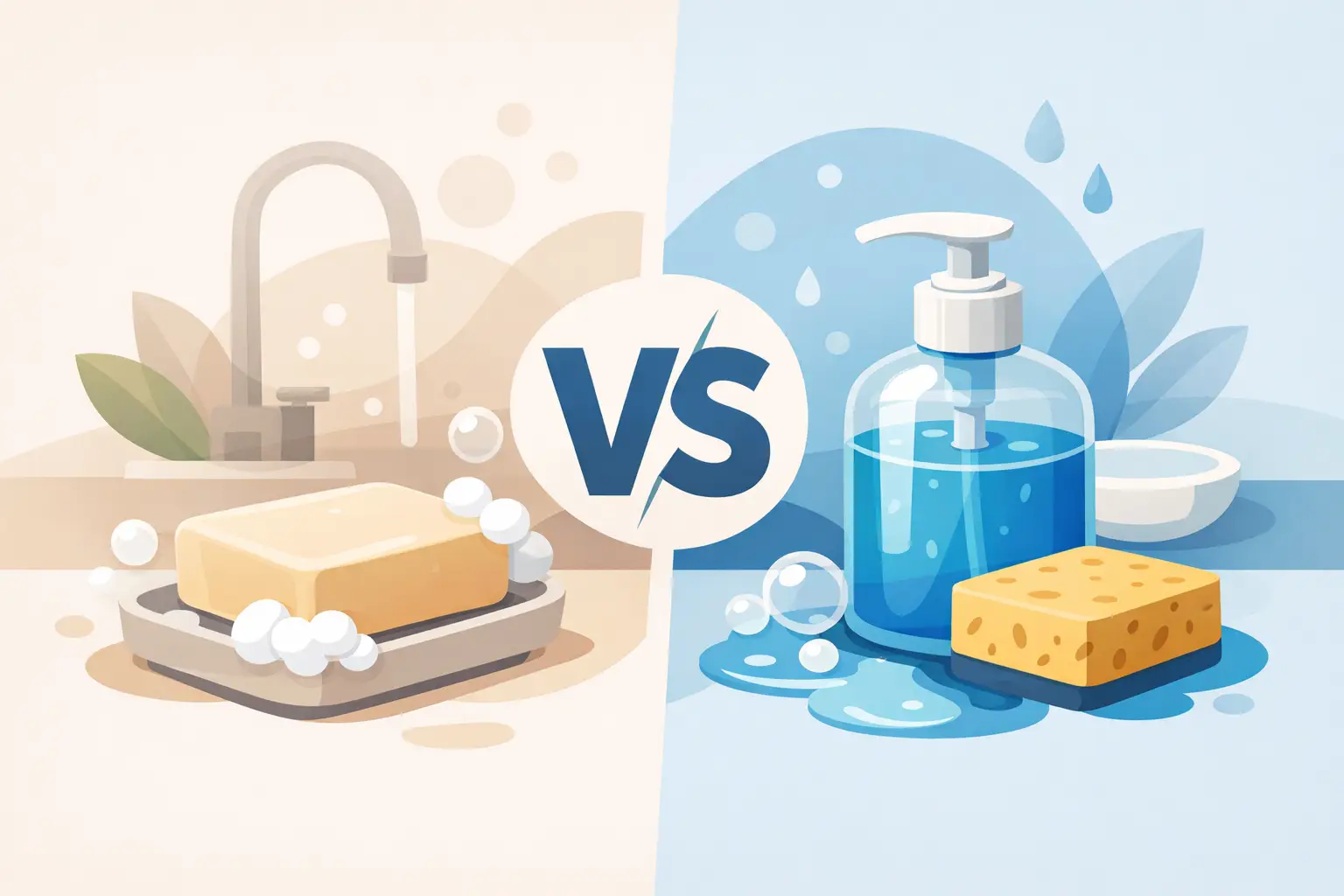
A traditional bar soap is an easy place to begin. It needs no plastic bottle, travels well and, when properly cured, can last longer than people expect. For dry or sensitive skin, the formulation matters more than the format. Choose a gentle bar made with nourishing fats and straightforward ingredients rather than assuming every bar will suit your skin simply because it is package-free.
Tallow soap, for example, is valued for its rich, creamy lather and skin-compatible fatty acids. Thoughtfully made bars can cleanse without leaving skin feeling tight and stripped. At Luna Natural Soap Co., tallow is slowly rendered in-house and paired with traditional soapmaking methods, because the care behind a simple bar matters just as much as what is left out of the packaging.
Solid shampoo and conditioner can also make a meaningful difference, but they are not identical to their bottled counterparts. Hair texture, water hardness and styling habits all play a part. If you have a sensitive scalp or colour-treated hair, introduce one product at a time and allow a few washes to assess how it feels. The best plastic-free swap is the one you will genuinely use to the last sliver.
How to reduce bathroom plastic without creating waste
There is a temptation to clear out every bottle at once and replace it with a beautifully coordinated set of sustainable products. It may look satisfying, but throwing away usable products simply shifts waste from the bathroom shelf to the bin.
Use what you already own where it is safe and comfortable to do so. When a product is finished, pause before replacing it. Ask whether you need it, whether a solid version would work, or whether one product can do two jobs. A gentle cleansing bar might replace hand wash and body wash. A simple balm may serve dry hands, elbows and cuticles, depending on your skin and its needs.
This is also the moment to resist the marketing promise that every concern requires a separate serum, scrub, mask or treatment. A smaller routine can be a kinder one. Sensitive or troubled skin often responds well to consistency and a little less friction, fragrance and product layering.
Choose packaging that is genuinely lower waste
“Recyclable” is not the same as “recycled”, and it does not guarantee that an item will be processed locally. Bathroom packaging is particularly difficult because pumps often combine plastic, metal and springs, while small tubes and sachets can be hard to sort.
Paper wraps and cardboard boxes are usually simpler choices when they protect the product adequately. Glass can be useful for products that need a jar or bottle, but it is heavier to transport and not automatically the greener option. Refillable packaging can be excellent when a refill system is practical, nearby and used repeatedly. It depends on the product, the distance it travels and whether refills are realistically available to you.
Look for brands that are clear about the whole picture: ingredients, production, sourcing and packaging. Plastic-free claims have more meaning when they sit alongside an effort to minimise waste during making, rather than being used as a decorative label.
Make bars last properly
A bar that dissolves in a puddle is not a sustainable choice, however lovely its ingredients may be. The simplest way to make solid soap, shampoo or conditioner last is to keep it dry between uses.
Use a well-draining soap dish, preferably one that allows air underneath the bar. Keep it away from the direct spray of the shower and avoid leaving it on the edge of the bath. If several people share a bathroom, a separate dish for each bar avoids a soft, soggy pile-up.
For travel, let bars dry before packing them in a tin or case. At home, cut a large bar in half if you prefer a smaller piece at the sink. These small habits reduce waste, save money and make the switch from bottles feel more practical.
Rethink the overlooked plastic items
Once the main bottles are sorted, the smaller items become easier to notice. These are often the things that enter the bathroom without much thought and leave quickly.
Consider replacing these when your current supply runs out:
- Disposable razors with a durable safety razor, provided you are happy to learn a slower, lighter shaving technique.
- Plastic toothbrushes with a bamboo-handled option or a brush with replaceable heads. Check your local guidance before assuming bamboo parts can go in food or garden waste.
- Plastic cotton buds with paper-stemmed versions, and use washable cloths where they suit your routine.
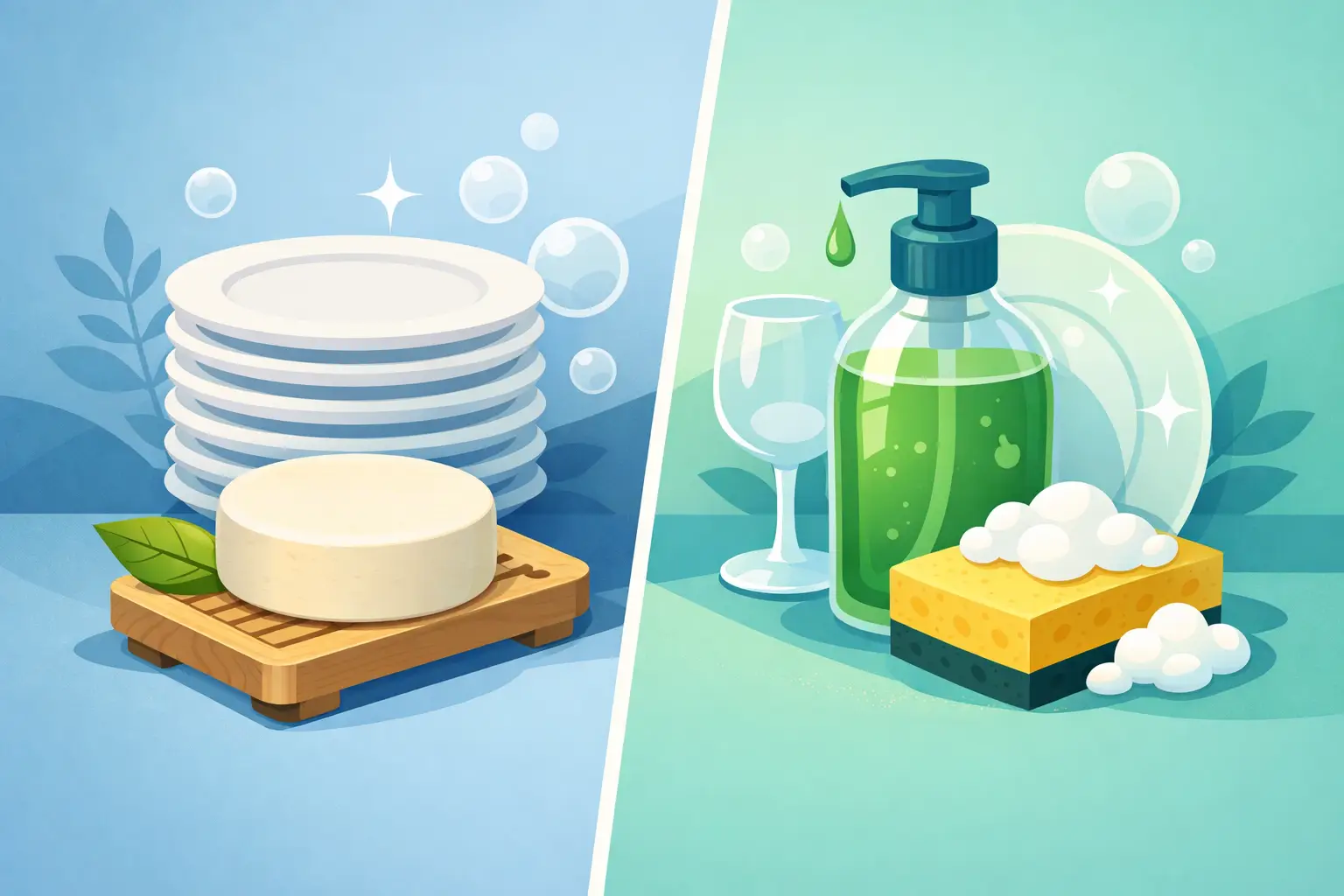
- Bottled hand wash with a firm bar on a draining dish beside the basin.
- Plastic loofahs and mesh puffs with a washable flannel, natural fibre cloth or simply your hands.
- Single-use wipes with reusable cleansing pads or a soft damp cloth, especially for everyday cleansing.
Not every reusable option is automatically better. Washable pads need laundering, safety razors require care, and bamboo accessories do not last forever in a damp room. Choose the option you can maintain well, then use it for as long as possible.
Keep the bathroom routine gentle and simple
Reducing plastic can bring a useful question into focus: what does your skin actually need? Many bathrooms are full of products designed to correct the effects of other products – harsh cleansers followed by heavy moisturisers, strong exfoliants followed by soothing treatments.
A gentler baseline is often more effective. Cleanse with a product that leaves skin comfortable, use a moisturiser or balm where needed, and avoid changing several variables at once if your skin is reactive. For persistent eczema, severe irritation or a sudden skin change, seek advice from a qualified healthcare professional rather than relying on any cosmetic product alone.
Fragrance is another personal consideration. Botanical scents can be a pleasure, but unscented or lightly scented choices may be preferable for highly sensitive skin. Plastic reduction should never mean pushing through a product that stings, dries or unsettles your skin. Practical sustainability includes buying less because you have found something that works.
Build a bathroom that is easy to maintain
A low-plastic bathroom succeeds when it is convenient on a rushed weekday morning. Keep replacement bars somewhere dry and visible, store spare razor blades safely, and give every reusable item a clear home. If household members prefer different products, that is fine. A sustainable routine does not require everyone to use the same soap or shampoo.
It also helps to buy with a little intention. Rather than ordering small items repeatedly, plan ahead when favourites are running low. Choose products with a clear purpose, use them fully and avoid collecting samples that become clutter. Gift sets can be a thoughtful way to introduce someone to plastic-free essentials, particularly when the contents are useful rather than novelty items.
The aim is not a bathroom with zero impact. It is a bathroom where each product has been chosen with care, used with pleasure and replaced only when needed. Start with the next empty bottle, choose the gentlest lasting alternative, and let the change grow naturally from there.