

You’re standing in the aisle (or scrolling late at night), reading labels that all sound virtuous: natural, gentle, traditional, plastic-free. Then you spot it – tallow soap – and the question lands with a thud because it matters.
Is tallow soap vegan friendly? No. Tallow is rendered animal fat, typically from beef or mutton, so a tallow-based bar cannot be vegan by definition.
That’s the clear answer. The more useful answer is what comes next: why people choose it, why some ethical shoppers still feel comfortable with it, what “vegan-friendly” really means in soap, and how to pick a bar that matches your values and your skin.
Is tallow soap vegan friendly?
No – tallow soap is not vegan friendly because its key ingredient is tallow, a fat sourced from animals.
Vegan soap avoids all animal-derived ingredients. That includes the obvious ones like tallow, lard, goat milk, honey and beeswax, but also less obvious ingredients that sometimes appear in personal care (lanolin from sheep’s wool, carmine as a colourant, or certain forms of glycerine if it’s animal-derived).
So if you’re buying strictly vegan, the decision is straightforward: a tallow bar is out.
What tallow actually is (and why it’s used in soap)
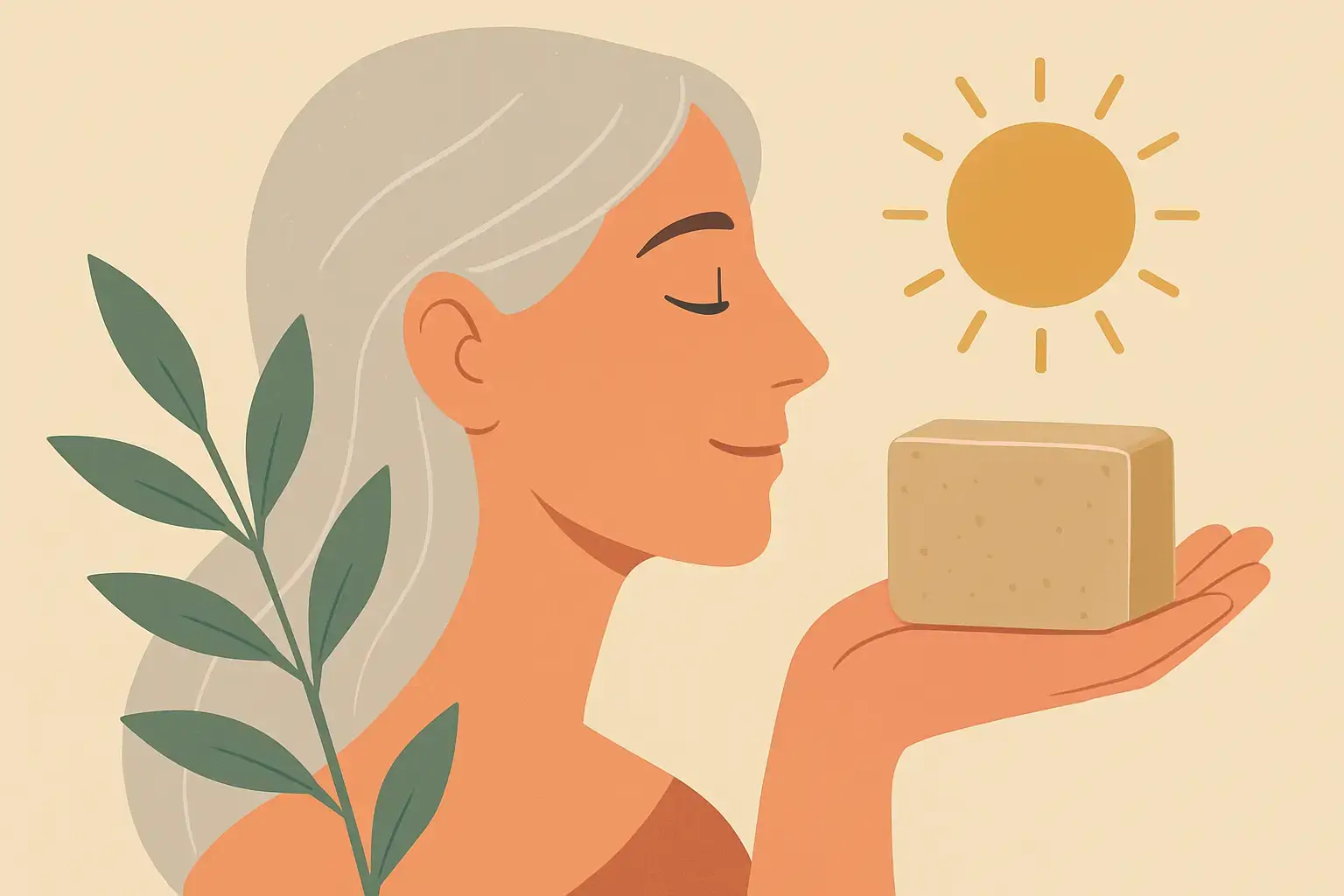
Tallow is fat that’s been carefully rendered and purified, traditionally from grass-fed beef. It has been used in soapmaking for centuries because it behaves beautifully in a bar.
A well-made tallow soap tends to feel creamy rather than squeaky, and it often produces a dense, stable lather. From a formulator’s perspective, tallow brings hardness and longevity, which means the bar doesn’t dissolve into mush after a week at the side of the bath.
From a skin perspective, many people with dry or reactive skin find tallow-based cleansing more comfortable than detergent-based washes. That is not magic. It’s chemistry and restraint – a simple ingredient profile, saponified fats, and no need for harsh surfactants.
None of that makes it vegan. It simply explains why tallow keeps coming back into the conversation, particularly with people who have tried “gentle” body washes and still end up tight, itchy, or flaring.
Vegan, cruelty-free, ethical: not the same thing
A lot of confusion comes from these terms being used interchangeably.
Vegan means no animal-derived ingredients.
Cruelty-free means the finished product and ingredients are not tested on animals. In the UK, cosmetic animal testing is banned, but some shoppers still look for cruelty-free positioning because global supply chains can be messy, and because “cruelty-free” also speaks to brand intent.
Ethical is broader. It can mean how ingredients are sourced, how workers are treated, whether packaging is low-waste, and what a brand does with by-products.
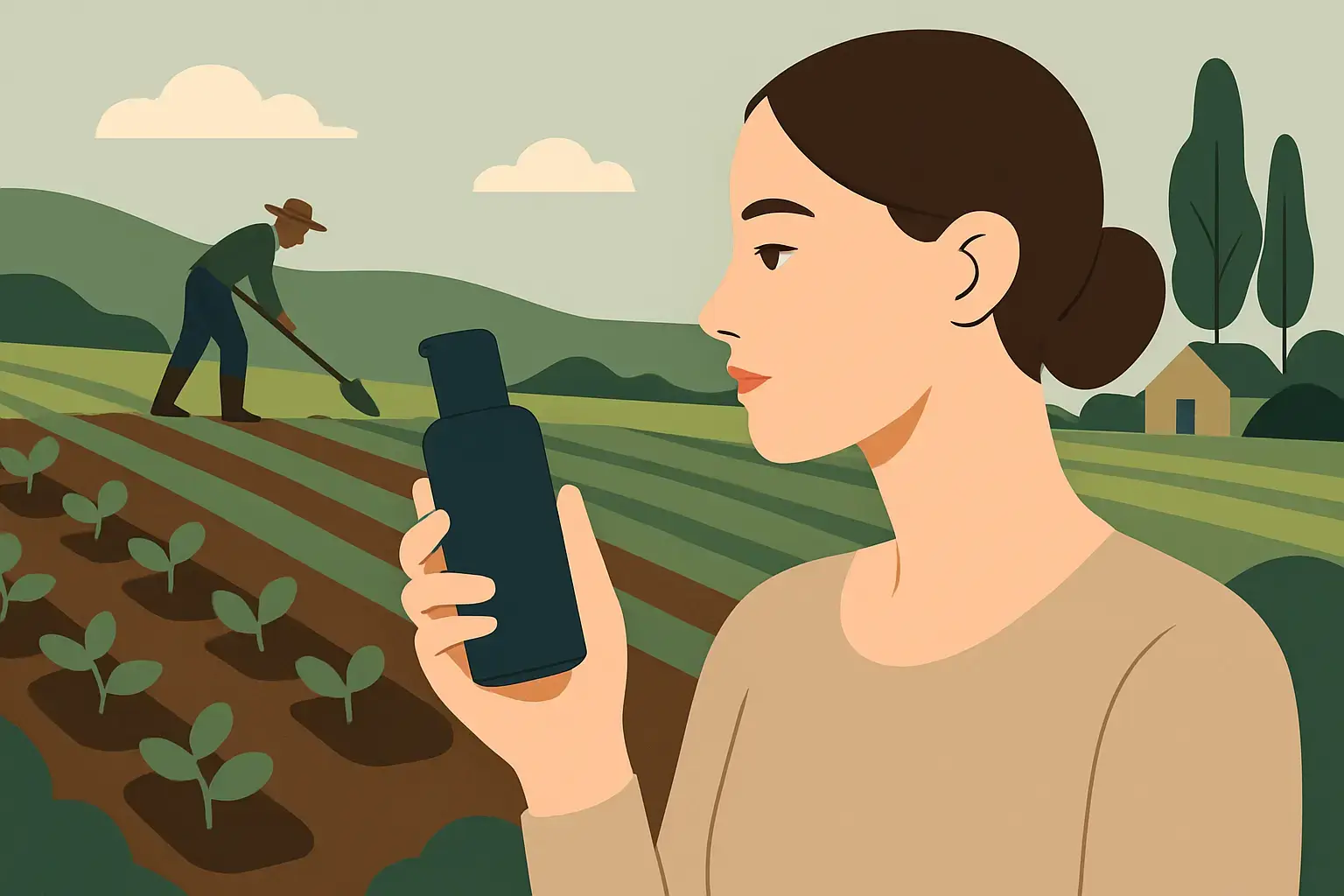
Here’s where tallow creates a genuine “it depends” moment. Some shoppers avoid all animal products as a firm boundary. Others take a circular economy view and ask a different question: if animals are already being farmed for food, is using the fat that would otherwise be wasted a more responsible choice than relying on newly farmed plant oils shipped long distances?
There isn’t one moral answer that fits everyone. There is, however, a cleaner way to think about it: decide which lines are non-negotiable for you (vegan, palm-free, local, zero-waste, fragrance-free), then buy a bar that honours those lines without making your skin pay the price.
Why some non-vegan soaps still appeal to eco-minded households
If you’re trying to reduce waste and simplify the bathroom cabinet, soap is an easy win. A proper cold-process bar is naturally concentrated, usually plastic-free, and lasts well.
Tallow adds another layer for some customers: it can be locally sourced and it uses a material that exists because of the food chain. In that sense, it can sit comfortably within a circular mindset – especially when the tallow is traceable, grass-fed, and handled with care.
The trade-off is obvious: it still comes from an animal. If your ethics are rooted in animal rights, the sustainability argument won’t outweigh that.
If your ethics are rooted in waste reduction, local sourcing, and reducing reliance on industrial agriculture, you might see tallow as a pragmatic, even respectful use of the whole animal. That view is common among people who buy from regenerative farms and value transparency over marketing language.
What to look for if you need vegan soap
If you’re shopping vegan, you can still get a beautiful bar. The difference is in the fatty acid profile you’re building with plant oils.
Look for soaps that use combinations such as olive oil for mildness, coconut oil for cleansing and lather, and shea or cocoa butter for a richer feel. Some vegan bars also use castor oil for creaminess.
Pay attention to what’s not said. “Natural” doesn’t mean vegan. “Handmade” doesn’t mean vegan. Even “vegetarian” isn’t a guarantee.
If the label doesn’t clearly state vegan, check the ingredient list for tallow, sodium tallowate, lard, sodium lardate, honey, beeswax, goat milk, lanolin, silk or carmine. When brands are genuinely vegan, they tend to say so plainly because it matters to their customers.
If you’re not vegan, choosing tallow thoughtfully still matters
Not being vegan doesn’t mean switching your brain off. Ingredient origin and process still count.
A good tallow soap should be made with properly purified, deodorised tallow and cured long enough to become hard, mild, and long-lasting. The quality of the fat and the patience of the maker show up on your skin.
Sourcing is the next question. “Grass-fed” is meaningful when it’s real, not a loose buzzword. Local, small-scale sourcing is meaningful when it’s traceable. And low-waste packaging is only impressive when it’s consistent across the range, not just on the hero product.
This is where artisan brands can be quietly different: they can tell you where the tallow comes from, how it’s rendered, why it’s in the bar, and what that means for performance.
The sensitive-skin angle: why this question comes up so often
People rarely ask about tallow soap and veganism out of idle curiosity. Usually they’ve got a practical problem.
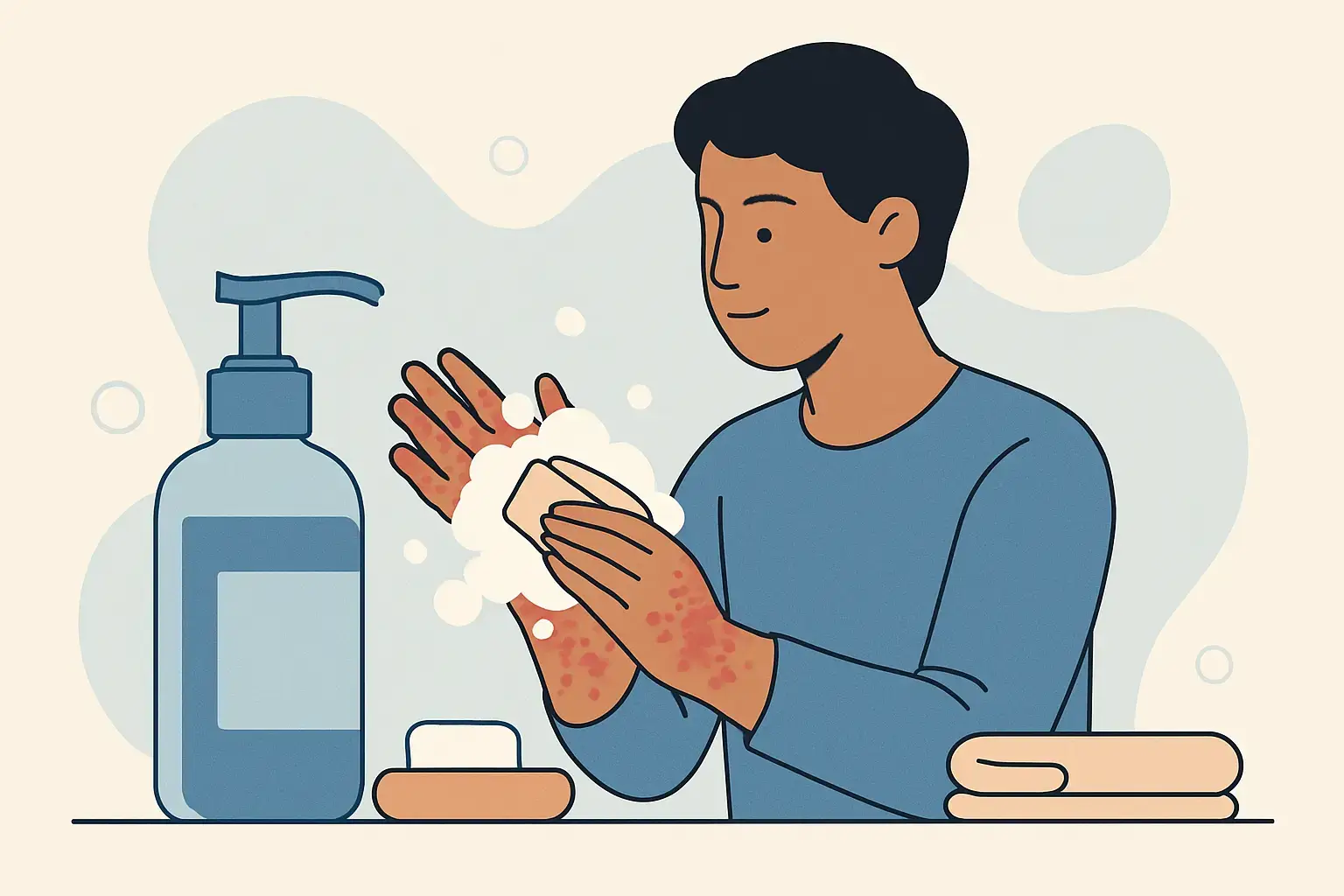
Dry skin that never quite settles. A child who comes out of the bath itchy. Hands that crack in winter. A face that feels stripped after cleansing. When you’re managing real skin, you become sceptical of anything that lathers brilliantly but leaves you tight.
Tallow-based soaps are often chosen because they’re simple, dense, and comfortable, especially when made without harsh fragrance or overly complicated additive lists. That doesn’t mean every tallow bar will suit every person – fragrance, essential oils, and even some botanicals can irritate reactive skin. But it does explain why people with eczema-prone or sensitive skin sometimes land on tallow after trying a long line of “gentle” products that weren’t.
If you’re vegan and have reactive skin, you’re not stuck – you just need the same simplicity in a plant-based formula, and you may need to trial slowly.
A quick word on palm oil (because it’s part of the decision)
For vegan shoppers, palm oil often becomes the next ethical hurdle. Some vegan soaps rely on palm for hardness and lather. Some avoid it because of deforestation concerns.
Palm can be responsibly sourced, but certification and traceability vary, and many people prefer to sidestep the issue. If you are both vegan and palm-averse, you’ll need to be more selective and may find fewer options. That’s normal. It’s not you being “picky”. It’s you being consistent.
So, what should you do with the answer?
If you’re vegan, the path is simple: choose a clearly labelled vegan bar and don’t apologise for the boundary.
If you’re not vegan but you do care about ethics and waste, ask better questions than the label does. Where does the fat come from? Is it a by-product? Is it local? Is the packaging genuinely low-waste? Is the bar cured properly? Does the ingredient list respect sensitive skin, or is it a perfume bar in disguise?
If you want to explore traditional, small-batch tallow soap made with a transparent, regenerative mindset, Luna Natural Soap Co. shares its approach and products at https://Www.lunasoap.ie.
Your soap should match your values and your skin, not fight them. Choose the line you won’t cross, then pick the bar that makes everyday washing feel calm and uncomplicated.