

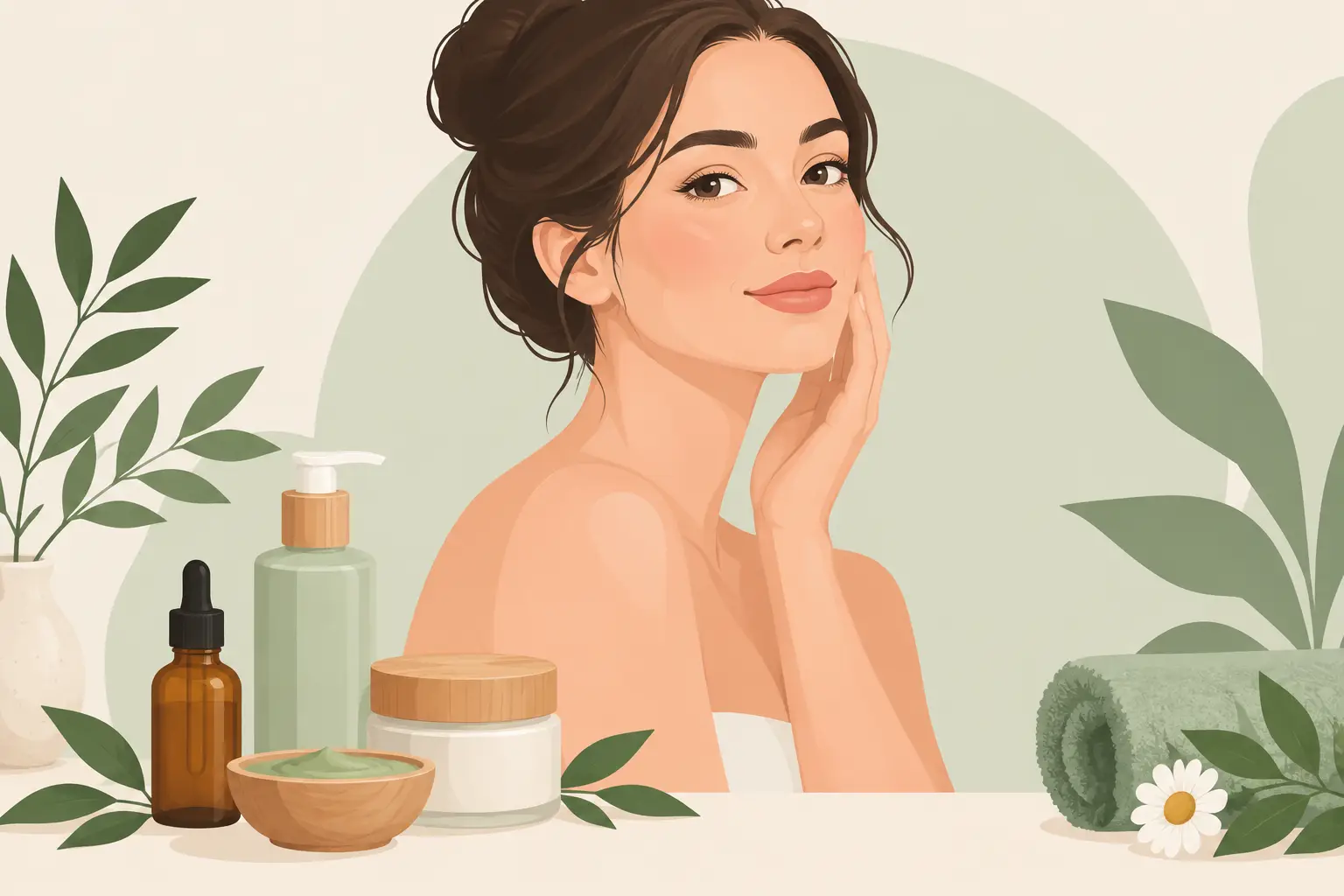
A bathroom shelf can tell you a great deal about a beauty trend. If it is crowded with half-used bottles, complicated routines and vague promises, it is unlikely to last. The natural beauty trends worth paying attention to are quieter: fewer, better-made products; ingredients with a clear purpose; and packaging that does not become waste the moment it is opened.
For people with dry, sensitive or easily troubled skin, this shift matters. Beauty should not ask your skin to tolerate a long list of harsh detergents, heavy fragrance or constant product switching. It should feel considered, comforting and practical enough to use every day.
Natural beauty trends that put skin first
For years, “natural” has been used as a shortcut for good. But natural is not a guarantee of gentle, effective or responsibly made skincare. Essential oils can be natural and still irritate sensitive skin. A botanical extract can sound impressive while appearing in such a tiny amount that it makes little practical difference. Equally, a simple ingredient can be exactly what a formula needs.
The more meaningful direction is ingredient literacy. Shoppers are reading labels, asking where ingredients come from and choosing products because they understand what they are designed to do. This is a welcome change from chasing the newest miracle ingredient every few months.
A well-made bar soap, for example, does not need an elaborate story to earn its place. Traditional cold-process soap combines carefully chosen oils or fats with lye, then cures slowly into a firm bar with a rich lather. The result depends on the quality of the ingredients, the balance of the recipe and the patience of the maker.
Tallow has returned to the conversation for a reason. When sourced with care and rendered properly, it is a traditional skincare ingredient prized for its rich, cushioning feel. Its naturally occurring fatty acids make it especially appealing to people looking for a more nourishing cleanse or a simple moisturising ritual. Grass-fed tallow also contains vitamins A, D, E, K and B12, though a thoughtful formula matters more than any single ingredient claim.
The question is not whether an ingredient is fashionable. It is whether it is appropriate for your skin, your values and the job you need it to do.
Less fragrance, more comfort
One of the strongest shifts is away from fragrance-led skincare, particularly among those managing dryness, eczema-prone skin or recurring irritation. A product can smell beautiful and still be unsuitable for a compromised skin barrier. For some, unscented or lightly scented options are the sensible choice.
This does not mean every botanical scent is a problem, nor does it mean skincare has to feel clinical. It means being honest about the trade-off. If your skin is reactive, comfort is usually more valuable than a strong perfume lingering on the skin. Oatmeal, gentle herbs and a short, purposeful ingredient list can offer a more reassuring place to start.
The return to traditional ingredients and methods
There is a growing appreciation for things made slowly and properly. Not because old-fashioned automatically means better, but because traditional methods can bring accountability. When a maker renders tallow in-house, cures soap over time and produces in small batches, there is less room to hide behind vague language.
This is particularly relevant in a market where many products are presented as handcrafted but rely on anonymous, pre-made bases. Knowing how a bar is made helps customers judge its value. A firm bar that lasts, lathers well and cleanses without leaving skin feeling stripped is not an accident. It is the result of formulation and craft.
Traditional does not mean refusing modern knowledge. Good skincare should still respect skin sensitivity, hygiene and responsible preservation where water-based products are concerned. Nor should it promise to treat medical skin conditions. If you have persistent eczema, painful cracking or a suspected allergy, professional advice remains important. But for everyday cleansing, a simpler routine can often remove a great deal of unnecessary noise.
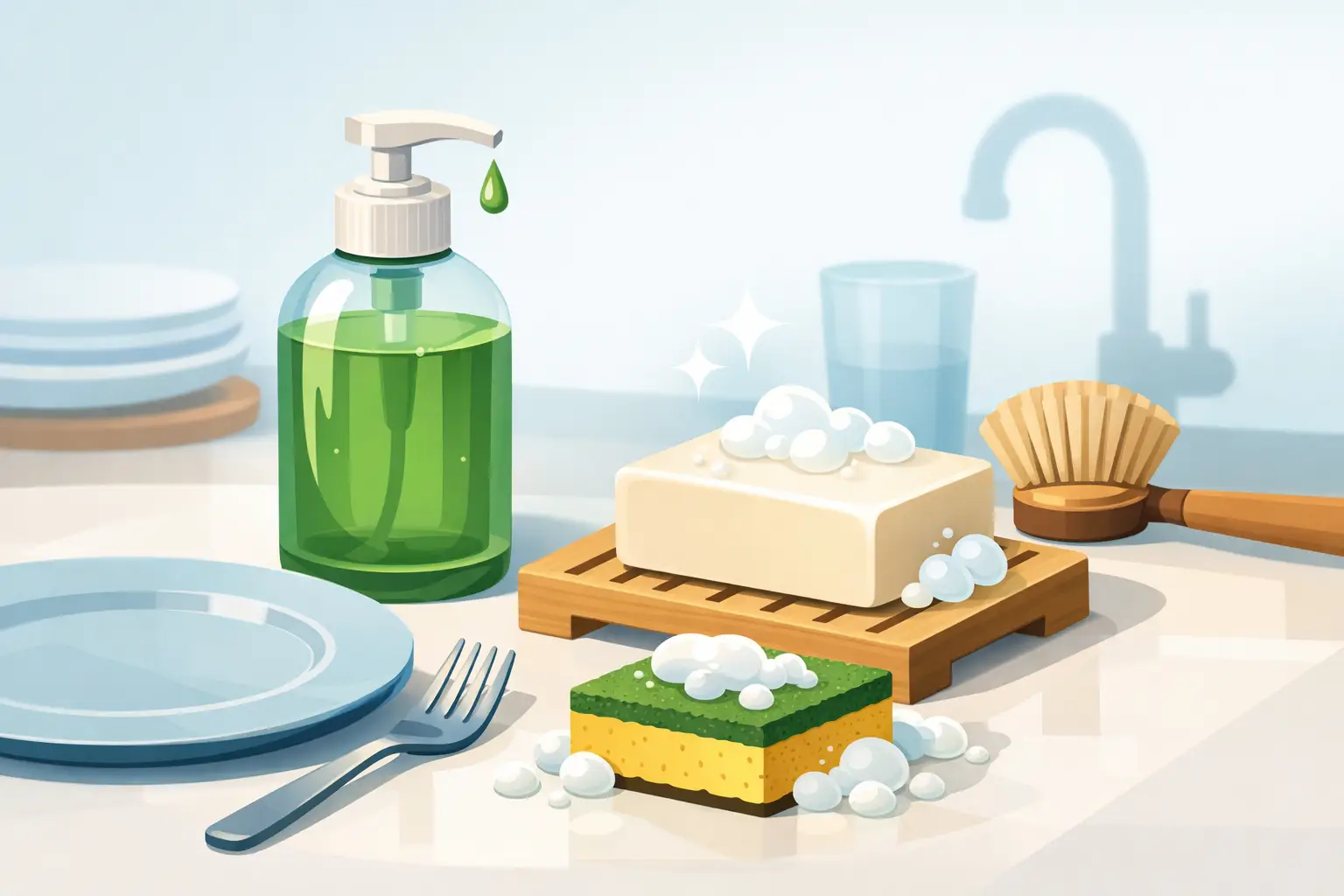
For many households, the appeal is practical. One gentle bar can sit at the basin, in the shower or in a travel bag without leaking. A solid dish soap can replace another plastic bottle beside the sink. These are modest changes, but they add up over a year.
Low-waste beauty must work as well as it looks
Refill stations, aluminium tins, compostable wraps and plastic-free bars are now familiar parts of the beauty landscape. The useful trend is not packaging that merely looks eco-conscious. It is packaging reduction that works in real homes.
A product with no plastic is only a better choice if it performs well enough to be used fully. The same is true of a refill that requires a separate single-use pouch, or a beautiful jar that cannot be recycled locally. Sustainability is rarely as simple as one material being perfect. It is about considering the full life of the product: sourcing, production, transport, longevity and what remains once it is finished.
Solid products have an obvious advantage here. They are concentrated, require no plastic pump and generally take up less space in transit than water-heavy alternatives. A properly cured soap bar also lasts when it is stored well. Keep it on a draining dish, allow it to dry between uses and it will reward you with a longer life and less waste.
The circular economy is becoming more tangible, too. Using every usable part of a batch, including thoughtfully gathered soap ends, is not a compromise. It is a practical expression of respect for materials, labour and the resources used to make them. Imperfect shapes can still offer the same gentle cleanse.
Traceability is becoming part of the luxury
The next generation of premium beauty is less interested in excess and more interested in provenance. People want to know who made a product, where the key ingredients were sourced and why those choices were made. For animal-derived ingredients such as tallow, this matters even more.
Responsible sourcing asks better questions. Is the tallow a by-product that would otherwise be wasted? Are farmers paid fairly? Is the farming approach considerate of soil, animals and local landscapes? Can the maker explain their process plainly?
Regenerative and local sourcing will not be possible for every ingredient or every brand. Some botanicals grow only in particular climates, and supply chains are complex. Yet transparency is still possible. Honest makers can state what they know, what they are improving and where compromises exist. That is more valuable than a flawless-sounding claim with no detail behind it.
At Luna Natural Soap Co., slow-rendered, locally sourced tallow is part of that commitment. It turns a valuable by-product into purposeful skincare while keeping the focus where it belongs: on a gentle, luxurious bar made for real skin.
How to choose natural skincare without chasing every trend
Start with the skin concern in front of you. If your skin feels tight after washing, look first at your cleanser and how often you exfoliate. If it is reactive, reduce fragrance and introduce one new product at a time. If you are simply trying to cut bathroom waste, begin with the product you replace most often, rather than buying an entirely new routine.
Then look beyond the front label. A good product should make its purpose clear. Is it designed to cleanse deeply, soothe dryness, provide a rich lather or replace a household plastic bottle? The answer does not need to be complicated. Clear intention is often a sign of careful formulation.
Finally, give a product time. Skin does not always respond overnight, particularly when you are moving away from an over-complicated routine. Pay attention to how your skin feels after cleansing, not just how it looks immediately afterwards. Comfortable, calm skin is a better measure of success than a crowded shelf of new purchases.
The best beauty choices are often the ones you reach for without hesitation: a bar that feels good in your hands, a formula your skin can rely on and a small daily ritual that leaves less behind.