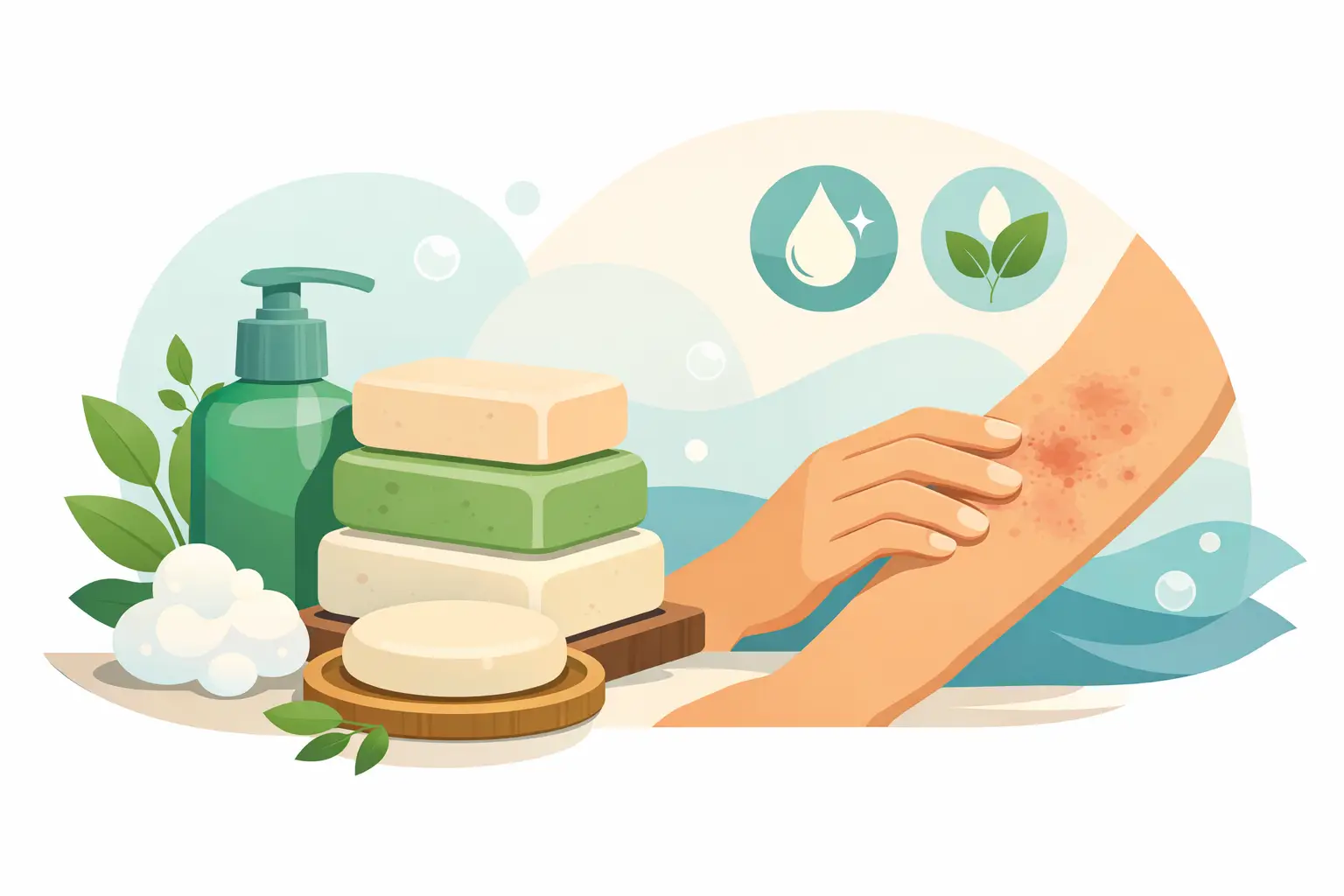



A teenager’s bathroom shelf can fill up quickly: a scrub for spots, a drying cleanser, a scented mist, perhaps a face mask promised by a viral video. Yet skin that feels tight after washing is not necessarily cleaner. Often, it is asking for less. A tallow soap for teen skin routine can offer a simpler starting point, provided the bar is chosen thoughtfully and used with a light hand.
Teenage skin changes fast. Oil production may increase, breakouts can appear without warning, and sensitivity is common when strong products are introduced too quickly. The aim is not to strip skin into submission. It is to cleanse away the day while helping the skin’s natural barrier feel comfortable, calm and cared for.
Why teen skin benefits from a simpler approach
Puberty brings shifts in hormones, sweat and sebum production. For some teenagers, this means a shiny T-zone and occasional blemishes. For others, it means dry patches around the nose, redness, or skin that feels both oily and dehydrated. These experiences can even change from week to week.
It is tempting to treat every spot as a problem to be scrubbed away. But over-cleansing, harsh exfoliation and heavily fragranced products can leave skin feeling sore or tight. When skin is uncomfortable, a routine with fewer, well-made products is often easier to follow and easier to assess. You can see what is helping, rather than guessing which of six new products caused a reaction.
A good cleansing bar should make skin feel clean, not squeaky. That distinction matters. Squeaky-clean can be a sign that the skin’s surface oils have been removed too aggressively, particularly on cheeks and around the mouth.
Is tallow soap right for teenage skin?
Tallow has a long history in traditional soapmaking for good reason. It creates a firm, long-lasting bar with a rich, satisfying lather. When it comes from grass-fed animals and is carefully rendered, it is also valued in skincare for its naturally occurring vitamins A, D, E, K and B12, and for a fatty-acid profile that feels familiar to the skin.
In a properly made cold-process bar, tallow contributes to a creamy cleanse rather than a thin, quickly disappearing foam. For a teenager with dry, sensitive or easily unsettled skin, that can make washing feel less like a battle. It is a practical choice too: one solid bar can replace a plastic bottle and last well when stored dry between uses.
Still, tallow soap is not a universal answer to every teenage skin concern. All true soap is naturally alkaline, while facial skin has a mildly acidic surface. Some people use a gentle tallow bar daily with no issue; others may find that any soap bar is best reserved for the body or for occasional facial cleansing. Skin with persistent acne, significant redness, eczema, or a sore, broken barrier may need advice from a pharmacist, GP or dermatologist alongside a pared-back routine.
The useful question is not, “Is tallow good or bad for teen skin?” It is, “How does this particular skin feel after using this particular bar?” Comfort is the guide.
Building a tallow soap for teen skin routine
The best routine is one a teenager will actually do on tired school mornings and after sport. Keep it gentle, consistent and free from pressure to chase flawless skin.
Start with one wash a day
For many teens, cleansing in the evening is enough. Wet the face with lukewarm water, work the bar into hands rather than rubbing it directly across the face, then massage the lather over skin for a few seconds. Rinse thoroughly and pat dry with a clean towel.
Morning cleansing can simply be a rinse with water if skin feels balanced. A second cleanse may suit someone who is very sweaty, wears make-up or has a noticeably oily complexion, but washing more is not automatically better. If cheeks begin to feel dry, flaky or stingy, scale back.
Choose a simple, gently formulated bar without an overpowering perfume. A creamy tallow soap may suit dry or sensitive skin particularly well, while an oatmeal bar can feel comforting for skin that is prone to dryness. Herbal ingredients can be lovely, but more botanicals do not always mean more suitable. Sensitive skin often prefers quiet, uncomplicated formulas.
Follow with moisture, not more actives
After cleansing, apply a plain, fragrance-free moisturiser while the skin is still slightly damp. This is the step that helps skin hold onto water and feel comfortable. Even oily skin can benefit from moisture. Skipping it can leave some people feeling dry and may encourage them to keep adding stronger products in search of balance.
During the day, a broad-spectrum SPF is worth making part of the routine, especially when a teenager spends time outdoors or uses blemish treatments that can make skin more sun-sensitive. It need not be complicated. A comfortable sunscreen is more useful than an elaborate routine that never becomes a habit.
If blemishes are a concern, introduce only one targeted treatment at a time. Ingredients such as salicylic acid or benzoyl peroxide can be helpful for some people, but they can also dry or irritate skin if used too often or combined carelessly. Begin slowly, follow the product instructions, and do not apply a treatment to raw or inflamed skin. A gentle tallow soap can sit within this routine, but it should not be expected to treat acne on its own.
Patch test before making it a daily habit
Natural ingredients deserve the same care as any other skincare ingredient. Before using a new bar on the face, lather a small amount on the inner arm or along the jawline, rinse, and wait 24 to 48 hours. Stop using it if there is itching, burning, swelling or a rash.
A patch test cannot predict every reaction, but it is a sensible pause before changing a routine. It also gives teenagers a valuable skincare lesson: their skin does not need to tolerate discomfort to prove that a product is working.
Choosing a bar with care
Not all tallow soaps are made alike. Ingredient sourcing, the quality of the tallow and the method behind the bar all affect the finished soap. Traditionally cold-processed soap takes time to cure, allowing a hard bar and generous lather to develop. Careful formulation matters just as much as the headline ingredient.
At Luna Natural Soap Co., we slowly render organic, grass-fed tallow in-house and work with local, regenerative farmers wherever possible. That process is not simply part of the story. It means greater visibility over what goes into each small-batch bar, with an approach that respects both skin and materials that might otherwise be wasted.
For a teen’s first bar, avoid choosing by trend alone. Look for clear ingredients, a bar designed for gentle cleansing, and packaging that does not create unnecessary plastic waste. Keep the bar on a draining dish so it can dry properly. A well-cared-for bar lasts longer, stays firmer and makes the everyday ritual feel considered rather than complicated.
When to pause and seek extra support
A simple routine is sensible, but it is not a replacement for medical care. Persistent or painful acne, widespread itching, cracking, weeping skin, swelling or a rash that does not settle deserve professional advice. Teenagers should not have to quietly endure skin discomfort because they think it is “just hormones”.
It can also help to look beyond the face. Change pillowcases regularly, rinse sweat away after exercise, clean make-up brushes, and resist picking at spots. These small habits support a routine without turning skincare into a source of worry.
The most reassuring message for a teenager is this: clear skin is not a measure of cleanliness or confidence. A gentle bar, a little moisture and steady habits can be plenty. Let the routine be a moment of care, not another demand on already changing skin.