

If you have ever turned over a soap bar or balm tin and paused at the word tallow, the real question is not whether it sounds old-fashioned. It is what is rendered tallow in skincare, and why are more people with dry, sensitive skin actively seeking it out again?
Rendered tallow is animal fat that has been carefully purified through gentle heat to remove water, proteins and impurities, leaving behind a clean, stable fat that can be used in soap and skincare. In practical terms, it is the step that turns raw fat into a refined ingredient suitable for the skin. When done well, rendered tallow feels rich rather than heavy, supportive rather than irritating, and remarkably compatible with skin that does not tolerate long ingredient lists.
This matters because not all tallow is equal. The quality of the raw fat, the way it is rendered, and the formula built around it all shape the final result.
What is rendered tallow in skincare, exactly?
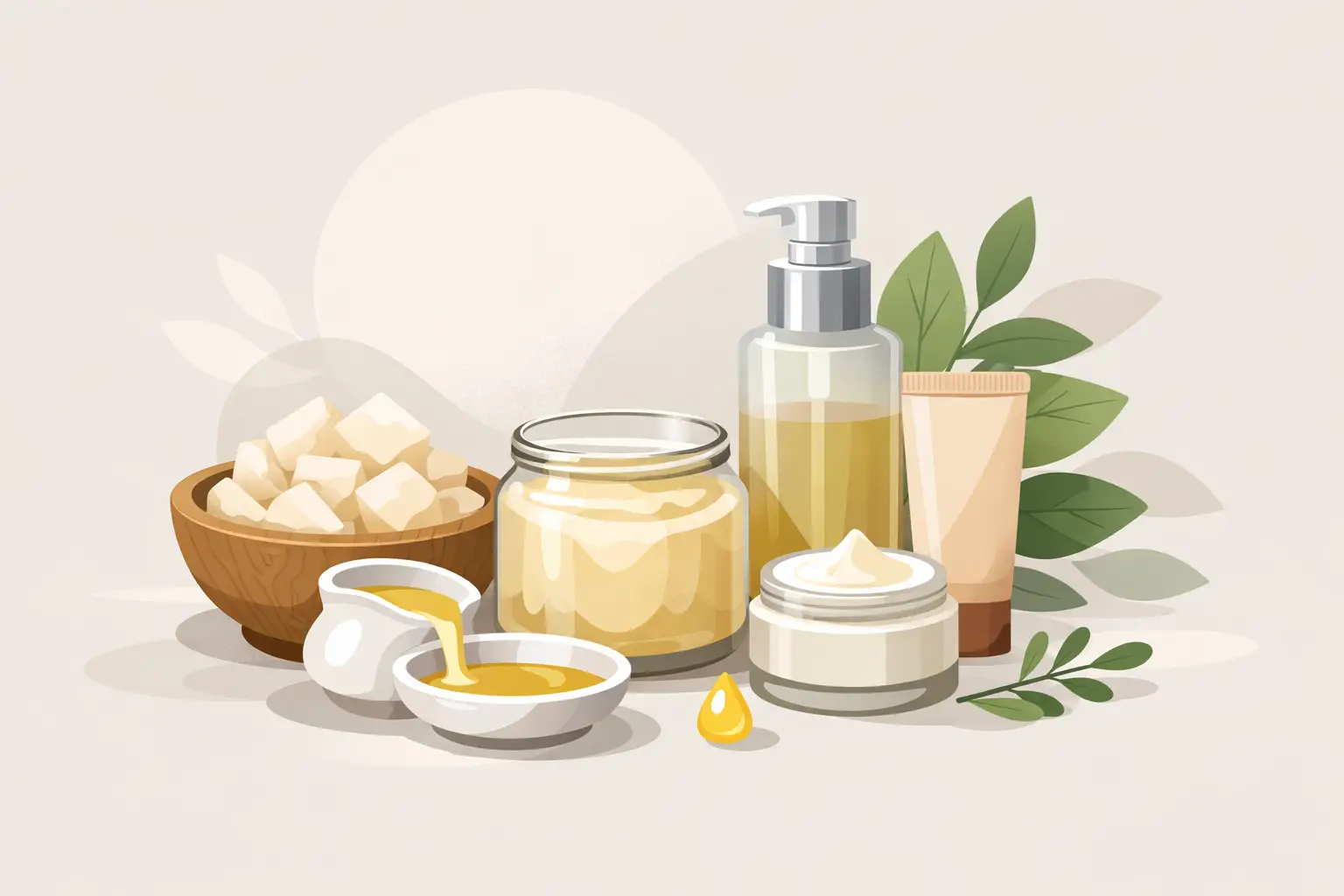
In skincare, rendered tallow is purified fat, usually sourced from beef suet, that has been slowly heated and strained until it becomes clean and usable in formulations. Raw fat is not suitable for skincare as it contains moisture and natural residues that can affect texture, scent and shelf stability. Rendering removes those elements.
Once rendered, tallow becomes a traditional skincare ingredient with a long history in soapmaking, salves and protective balms. It is valued because its fatty acid profile is close to the skin’s own natural oils. That is one reason many people find tallow-based products comforting, especially when their skin barrier feels compromised.
For a brand built on craft and integrity, the rendering process is not a background detail. It is the foundation. Slow rendering creates a cleaner ingredient with a better feel on the skin and a more refined finish in the final product.
Why rendering matters more than people think
When people ask what is rendered tallow in skincare, they are often really asking whether it is clean, safe and pleasant to use. The answer depends heavily on processing.
Careful rendering improves purity. It helps remove the parts of raw fat that can make a product feel inconsistent or smell overly animalic. It also improves stability, which matters in both soap bars and leave-on skincare.
There is also a difference between rushed industrial processing and slow, attentive rendering. A well-rendered tallow can feel elegant and calm on the skin. A poorly handled one can feel greasy or carry an off note that puts people off before they have seen the benefits.
This is why source and method matter. Tallow from well-raised, grass-fed animals and a transparent rendering process tends to appeal to shoppers who care about both skin results and ethics. It is not only about performance. It is about provenance.
Why tallow works so well for dry and sensitive skin
Tallow has earned renewed attention because it is simple, effective and deeply practical. It contains a blend of fats that help soften the skin and support moisture retention. It also naturally contains fat-soluble vitamins including A, D, E and K.
That does not mean it is a miracle ingredient. No single ingredient is. But for skin that is dry, tight, reactive or prone to discomfort, tallow often makes sense because it helps reinforce rather than strip.
In soap, this can mean a firmer bar, a creamy lather and a wash that leaves skin feeling clean but not squeaky. In balms, it can mean lasting comfort and a more cushioned feel. For people managing eczema-prone or easily aggravated skin, that distinction is not minor. It is often the difference between using a product once and using it every day.
There is also something refreshing about its simplicity. Many modern skincare formulas are crowded with actives, fragrance blends and texture agents. Tallow-based skincare tends to work best when it stays focused – fewer ingredients, better chosen.
Is rendered tallow the same as raw tallow?
No, and that distinction matters.
Raw tallow refers to fat before it has been properly purified for use. Rendered tallow has gone through the process that makes it clean, stable and suitable for skincare. If you are choosing a soap or balm, you want the rendered version, prepared specifically for cosmetic use.
This is one reason traditional makers often speak with such confidence about process. The ingredient list may look simple, but the work behind it is not. Rendering, curing, balancing a recipe and selecting complementary ingredients all affect whether the final product feels luxurious or merely rustic.
What rendered tallow feels like on the skin
People sometimes expect tallow to feel thick or waxy. In reality, a well-formulated product can feel surprisingly balanced.
In a cleansing bar, tallow contributes to hardness and a dense, creamy lather. That makes the bar last longer and often makes the wash feel gentler than many detergent-led cleansers. In a moisturising balm, rendered tallow usually melts readily with body heat and leaves a soft, protected finish.
Skin type still matters. Very oily or congestion-prone skin may prefer lighter textures or use tallow in wash-off products rather than richer leave-on formulas. Dry, mature and sensitive skin often responds especially well, particularly in colder weather or when the skin barrier is under stress.
It depends on the full formula too. Tallow paired with botanicals, goat milk or calming oils can feel even more supportive. Tallow paired with too much fragrance may lose some of its appeal for reactive skin.
What is rendered tallow in skincare used for?
Rendered tallow is most commonly used in soap, cleansing bars, balms and rich moisturising treatments. In soapmaking, it is prized for the structure and skin feel it brings. It helps create bars that are solid, long-lasting and creamy rather than brittle or overly stripping.
In leave-on skincare, it is often used in small-batch balms aimed at dryness, rough patches and weather-stressed skin. Some people use it on hands, elbows and heels. Others use it as an all-over body moisturiser or a simple face balm, although facial use is always personal and best approached according to skin type.
It also suits households trying to simplify. One well-made tallow bar can replace a clutter of plastic bottles while still feeling premium.
Is rendered tallow sustainable?
For many customers, this is where the ingredient becomes even more compelling.
Tallow is often a by-product of the food system. Using it in skincare can be part of a more circular approach, making full use of an animal rather than discarding valuable material. That does not make every tallow product automatically sustainable, but it can be a thoughtful choice when sourcing is local, traceable and tied to regenerative farming.
That is why transparency matters. Ethical shoppers want to know where an ingredient comes from, how it is processed and whether the brand treats sustainability as a real practice rather than a marketing line.
Used well, rendered tallow sits comfortably within a low-waste, plastic-free approach to skincare. It is traditional, yes, but tradition can be quietly modern when it reduces waste and respects materials.
Who should try it – and who might not
Rendered tallow skincare is often a strong fit for people with dry, sensitive or easily irritated skin, especially those who want fewer ingredients and gentler cleansing. It also appeals to shoppers who prefer traditional methods, local sourcing and products with a clear story behind them.
If your skin is highly reactive, patch testing is still sensible. Natural does not mean universally tolerated. The same goes for anyone with acne-prone skin considering a rich facial balm. Some people love it. Others do better keeping tallow to body care or soap.
There is also the lifestyle factor. Tallow is not suitable for vegans, and that is an important boundary to state plainly. For customers comfortable with animal-derived ingredients, the appeal often lies in choosing a thoughtfully sourced material over highly processed alternatives.
How to choose a good rendered tallow product
Start with the source. Grass-fed and responsibly raised animals are usually a better sign of quality. Then look at the formula. Short, purposeful ingredient lists tend to suit the spirit of tallow skincare best.
The product should also match the job. A tallow soap for daily washing should cleanse gently and rinse clean. A balm should soften and protect without feeling stale or overly perfumed. Good craftsmanship shows in the details – texture, finish, scent and how the skin feels an hour later.
At Luna Natural Soap Co., in-house slow-rendered tallow sits at the heart of that process for a reason. It allows for control, consistency and the sort of quality you can feel from the first use.
Rendered tallow is not a trend ingredient dressed up as heritage. It is a practical, time-honoured material that still earns its place in modern skincare when it is sourced well and made with care. If your skin has been asking for less fuss, more comfort and ingredients with a clear purpose, it may be worth giving tradition another look.