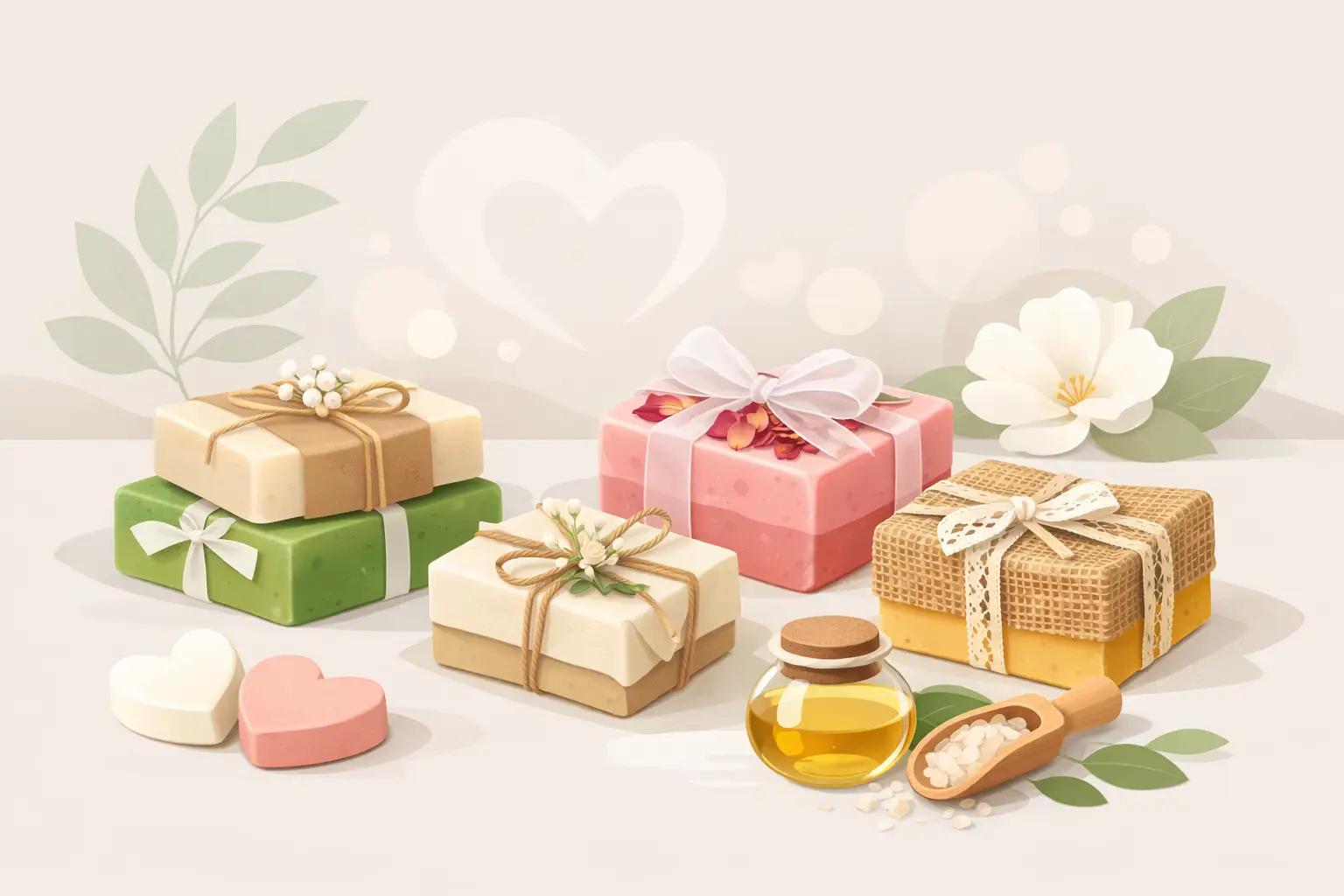


You can tell a good soap gift before it’s even opened. The weight is reassuring, the wrapping is tidy, and nothing rattles about like a last-minute add-on. But the real difference shows up later – at the sink, in the shower, and in the way the skin feels after a week of use.
A handmade natural soap gift set is one of the few presents that can be both indulgent and genuinely useful. It’s also surprisingly easy to get wrong. Some sets lean hard on scent and forget skin feel. Others look beautiful but melt into mush by day three. And if the person you’re buying for has dry, sensitive, or eczema-prone skin, the stakes are higher than “will they like the fragrance?”
This guide is for choosing a set that feels premium because it is premium – not because it has glittery filler or a loud label.
Why a handmade natural soap gift set lands so well
Soap is intimate, in a quiet way. It’s something people use when they’re tired, rushed, or overstimulated. It’s part of the daily reset. A well-made bar turns that moment into care rather than compromise.
Gifting soap also works because it’s low-risk but high-impact. Most people won’t spend time researching a better bar for themselves. They’ll keep buying whatever is easy, even if it leaves their hands tight and their skin reactive. A thoughtfully chosen set nudges their routine in a better direction without being preachy.
There’s also the sustainability factor. For eco-minded households, a plastic-free bar is a simple swap that actually sticks. A gift set makes the swap feel like a treat, not a chore.
Start with the base: what the soap is made from
Ingredient lists can look similar at first glance, but performance comes from the base oils and fats, not the botanical garnish.
Traditional soap is made by combining fats with an alkaline solution, then curing the bars so they harden and mellow. In a genuinely traditional bar, there are no detergents doing the heavy lifting. That matters for sensitive skin, because harsh surfactants can strip the barrier and leave that dry, squeaky feeling that people mistake for “clean”.
Tallow-based bars deserve a special mention here. Properly rendered, grass-fed tallow is deeply skin-compatible. It creates a firm bar with a rich, creamy lather, and it tends to leave skin feeling comfortable rather than tight. For many people dealing with dryness or irritation, that difference is immediate.
If the recipient avoids animal ingredients, that’s worth respecting. A quality olive-oil or coconut-and-shea formulation can still be lovely. The key is to choose a bar that’s balanced, well-cured, and designed for skin feel, not just bubbles.
Cold-process and curing: the “slow” that you can feel
Handmade often means cold-process, but not always. What you’re really looking for is a bar that has been allowed time to become itself.
Cold-process soap is typically cured for weeks. During curing, excess water evaporates, the bar hardens, and the lather becomes smoother. This is why a good bar lasts. It’s also why a handmade soap can feel more refined than a quick-turnaround novelty bar.
A gift set that includes properly cured bars will feel premium in use, not just on day one. That’s the kind of gift people remember.
Match the set to real skin, not “skin types” on paper
If you’re buying for someone with resilient skin, you can be more playful with scent and botanicals. If you’re buying for someone with dryness, sensitivity, or eczema-prone skin, keep it calm and functional.
Oatmeal bars can be a smart choice for easily irritated skin because they’re typically formulated to soothe and soften. Unscented or lightly scented options reduce the chance of a reaction, especially if the person is already cautious about fragrance.
Herbal or mint bars can feel wonderfully fresh, but they’re not for everyone. A strong peppermint or heavy essential oil blend can be too much for reactive skin, even if it smells beautiful. This is where “it depends” really matters. If you know the recipient loves a minty shower and has no sensitivity, it’s a confident choice. If you’re unsure, choose gentler profiles.
Also consider where the soap will live. A facial bar should be mild and simple. A kitchen or gardening bar can be more robust. A set that includes both feels thoughtfully curated because it respects real life.
Scent: choose subtlety that lasts, not volume that shouts
A premium soap scent should feel close to the skin. It should lift the routine, then fade politely.
Heavy fragrance is often used to compensate for a weak base. With a well-formulated bar, the appeal is the lather, the glide, and the after-feel. Scent becomes the finishing touch.
If you’re buying blind, avoid anything that reads like a perfume counter. Think clean herbs, soft botanicals, gentle citrus, or no scent at all. If you’re buying for someone who loves a sensory moment, choose one distinctive bar and keep the rest neutral. That gives them variety without overwhelming their bathroom.
Packaging: the best sets feel intentional, not fussy
Luxury is not plastic window boxes and shredded filler. Luxury is restraint.
Look for packaging that protects the bars, keeps everything tidy, and avoids unnecessary waste. Paper wraps, cardboard sleeves, and recyclable boxes feel aligned with a natural brand’s values. They also look better on a shelf than glossy packaging that belongs in a different category.
A handmade natural soap gift set should also include the small practical details. A simple note about how to store the bars. A suggestion to use a draining soap dish. Maybe a cotton washcloth or a sisal pouch if it genuinely adds to the experience.
If a set includes accessories, they should be there to make the soap work harder. A draining dish keeps bars firm. A soap saver bag helps use every last piece. Those are premium choices because they respect the product.
Bar firmness and lather: small details that signal quality
People often judge soap by bubbles, but the better question is how the lather behaves.
A well-made bar should lather easily without collapsing into thin foam. It should feel creamy and cushiony, giving slip rather than drag. After rinsing, the skin should feel clean but not stripped.
Firmness matters too. Soft bars melt faster, especially in steamy bathrooms. That can make a gift feel disappointing, even if the ingredients are lovely. A good soapmaker will cure bars long enough to deliver a solid, long-lasting bar.
Thoughtful curation: the difference between “a bundle” and a gift
Some sets are just three random bars in a box. A proper gift set tells a story.
For example, a balanced set might include a gentle everyday bar, a lightly exfoliating option (like oatmeal), and a fresh bar for mornings or post-gym showers. Another set might lean into home care – a hand bar for the sink and a solid dish soap for the kitchen, paired with a simple brush. The point is cohesion.
The best curation also anticipates the recipient’s habits. If they travel often, smaller bars or a well-wrapped set makes sense. If they have a busy family bathroom, you want hardy, crowd-pleasing bars that won’t disintegrate.
If you’re buying for sensitive or eczema-prone skin
A gift should never feel like a gamble.
Choose fragrance-free or very lightly scented bars, and avoid highly “active” botanicals. Keep it simple, traditional, and barrier-supportive. Tallow-based cold-process bars are often appreciated here because they cleanse without leaving that tight, papery feel.
Also, be wary of sets that promise dramatic results. For reactive skin, consistency beats intensity. A bar that feels calm and reliable is a better gift than something that claims to “detox” or “purify” aggressively.
If you want the gift to feel more personal without increasing irritation risk, add a practical accessory like a draining soap dish. It improves the daily experience without changing the formula.
A note on values: sourcing and waste are part of the gift
When someone chooses natural skincare, they’re often choosing a worldview as much as a product. That’s why provenance matters.
Small-batch makers who render in-house, source locally, and keep packaging minimal are doing more than creating soap. They’re building a supply chain you can feel good about supporting. For gift buyers, that story becomes part of the card you write: “I thought you’d like this because it’s made properly, with care.”
If you’re looking for that kind of craftsmanship, Luna Natural Soap Co. is built around slow-rendered, grass-fed tallow and traditional methods, with plastic-free packaging and a clear focus on real skin comfort.
How to make the gift land perfectly
If you’re posting the set, make sure it’s protected and won’t arrive battered. If you’re giving it in person, include one simple line that tells them how to use it: “Keep the bar somewhere it can dry between uses.” That single tip can be the difference between “nice soap” and “this is the best soap I’ve used”.
And if you’re not sure what scent they like, choose performance over perfume. A calm, well-made bar earns trust fast. Once someone feels the difference in their skin, the scent becomes secondary.
A good soap gift is quiet luxury. It doesn’t try to impress in the moment. It improves the next hundred small moments instead – and that is exactly the kind of present people talk about later.