

You know that moment: the bar is down to a slippery sliver, it cracks in half, and suddenly you have a little pile of “too small to bother with” soap bits by the sink.
Those bits are not a nuisance. They are perfectly good soap. And if you care about plastic-free living, value for money, and gentler cleansing, learning to use soap ends well is one of the easiest wins you can make in the bathroom.
What are zero waste soap ends, really?
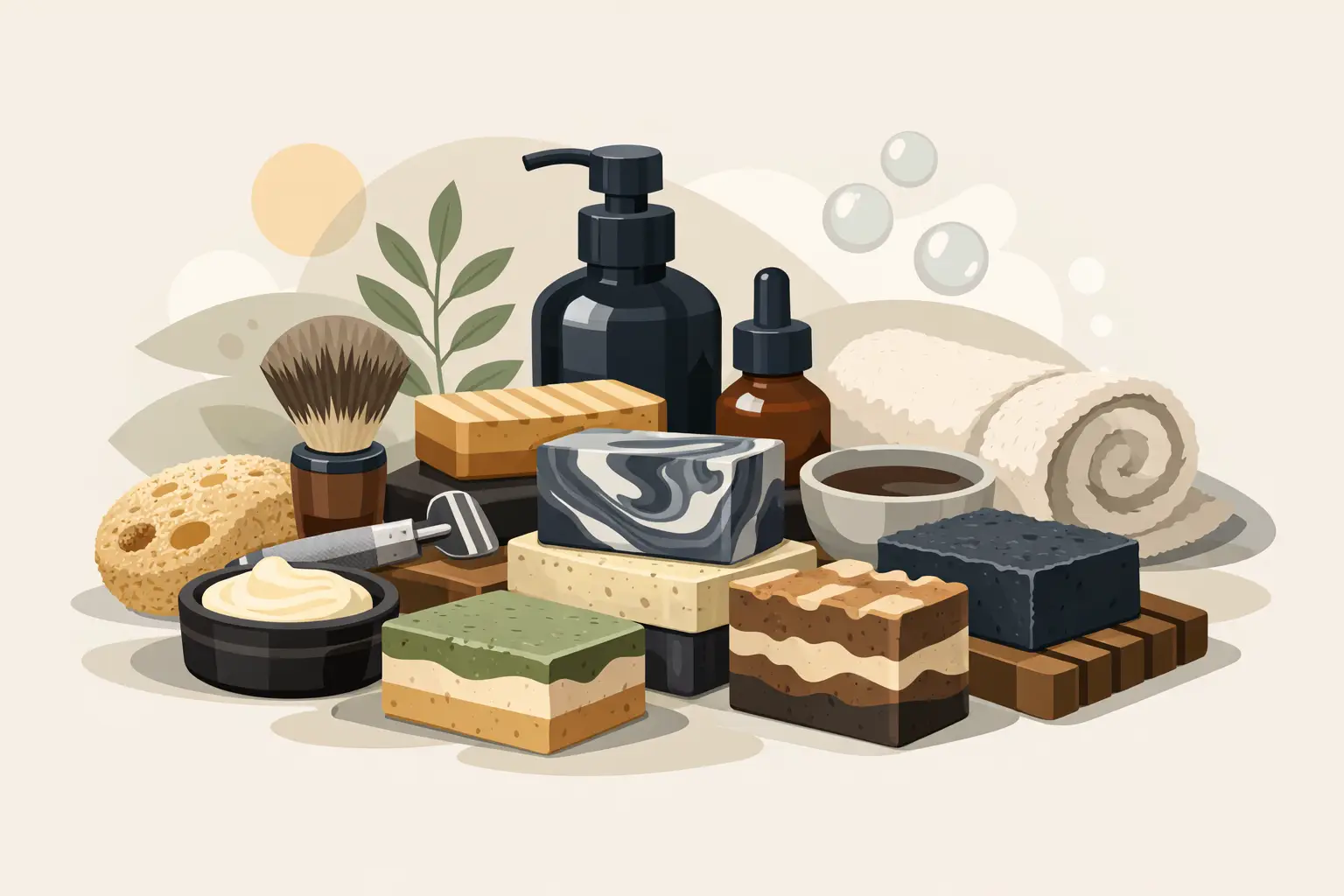
Zero waste soap ends are the smaller pieces left behind as full bars get used – offcuts, trimmings, and last slivers that are awkward to hold but still rich in lather. In traditional soapmaking, especially with cold-process bars, there is always a little material left after cutting and shaping. Some makers keep those pieces because throwing them away goes against the craft.
For shoppers, soap ends are a practical way to reduce waste while still enjoying a proper bar soap experience. You use what would otherwise be discarded, and you often get a mix of scents or varieties that make everyday washing feel a bit more interesting.
There is also a quiet satisfaction in it. Real circular economy habits are rarely glamorous. They are small, repeatable choices that add up.
Why soap ends can be better than you expect
If you have only ever used those last slivers in a hurry and felt they were scratchy, fiddly, or short-lived, it is usually a handling issue, not a quality issue.
Soap ends are often harder and more cured than a freshly unwrapped bar because they have had more time exposed to air. That can mean a firmer feel and sometimes a faster, creamier lather once they are properly wetted.
For sensitive or dryness-prone skin, the bigger difference is simply this: using what you already have reduces the urge to “top up” with whatever quick cleanser is at hand, which is often a detergent-heavy liquid in a plastic bottle. A well-made bar is a calmer daily default.
That said, soap ends do come with trade-offs. If you throw a few different pieces together without thinking, you can end up with clashing scents, dye transfer, or a bar that goes soft because it never dries properly. The good news is that every one of those problems has a simple fix.
How to use zero waste soap ends without the faff
Turn slivers into a “new” bar
The easiest method is also the least fussy. Collect soap ends until you have a handful, then press them together.
Start by wetting the outside of each piece and rubbing two pieces together until they get tacky. Press them firmly, like you are moulding a little snowball. Keep going, adding pieces as they stick. Once it holds as one lump, set it aside to dry for a day or two. It will harden into a single, usable bar.
It depends on the soap, of course. Very smooth, high-olive formulas can take longer to fuse than a tallow-based bar, which tends to bond nicely when the surfaces are lightly softened. If your pieces refuse to stick, you can grate them instead (more on that below).
Use a soap saver bag for instant ease
A soap saver bag (usually cotton, linen, or sisal) turns awkward ends into something you can actually hold. Pop the pieces inside, wet the bag, and lather directly on your hands or body.
This is ideal if you are using lots of tiny fragments at once, or if you want a bit of gentle exfoliation. The trade-off is that exfoliating texture is not for everyone – if you are managing eczema flare-ups or very reactive skin, choose a softer cloth bag and avoid scrubbing. Let the foam do the work.
Make handwash “confetti” for guests
If you like a tidy sink area, keep a small dish with a few soap ends near the basin and treat it like a handwash tasting tray. Guests can pick up a piece easily, and you will find the ends disappear faster.
The key here is drainage. Soap ends melt when they sit in water. A well-draining soap dish makes a bigger difference than people think, because it keeps each piece dry between uses and stops that soggy, sticky feeling.
Grate and press for a uniform texture
If you want the neatest result, grate your soap ends with a kitchen grater dedicated to soap (once it is used for soap, keep it that way). Mist the shavings with a little warm water, then pack them into a silicone mould or a small container lined with baking paper. Press firmly, leave to dry, and you will get a compact “reformed” bar.
This is especially useful when you have a mix of ends that will not fuse easily, or when you want to blend a stronger scented piece with a plainer one to soften the fragrance.
How to store soap ends so they stay firm and lovely
Soap is happiest when it can dry. That is the rule.
Keep your ends in a breathable container: a paper bag, a cotton pouch, or a jar left slightly open. Avoid sealing damp soap in an airtight tin, because it traps moisture and can make the pieces sweat and go soft.
If you are collecting ends over time, let each piece dry fully before adding it to your stash. It sounds picky, but it prevents that one damp sliver from turning everything else tacky.
And if you are mixing scents, be aware that fragrance oils and essential oils can mingle. Some people love the “mystery blend”. Others find it overwhelming. If you know you are sensitive to fragrance, store unscented and scented ends separately.
A skin-first approach: matching ends to your needs
Not all soap ends should be treated the same. If your skin is dry, tight, or easily irritated, you will usually do best by keeping your ends in a consistent family – for example, creamy, low-foam bars with richer fats, and avoiding throwing a strong, scrubby exfoliating end into the mix.
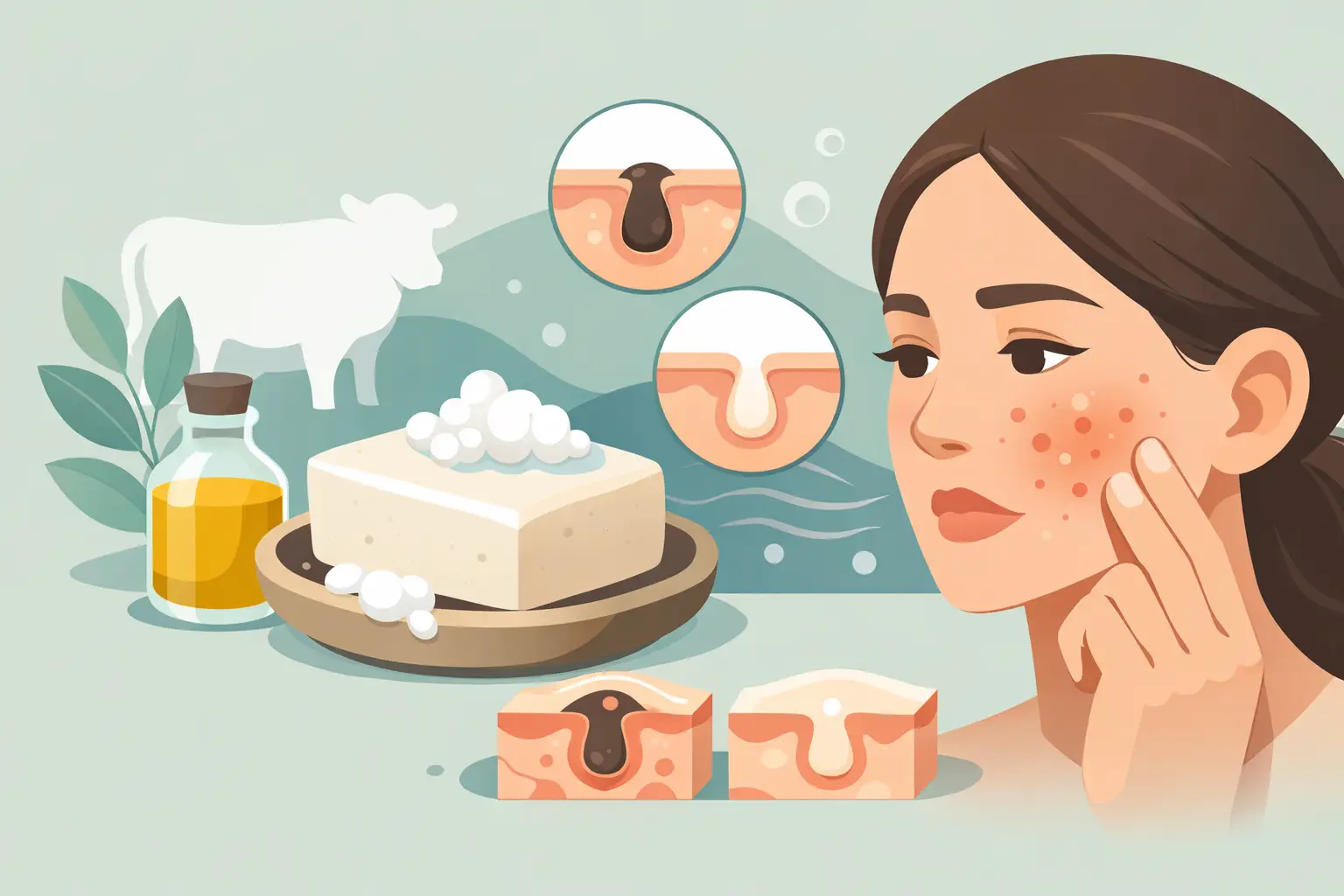
If you are acne-prone or prefer a deeper cleanse, you might enjoy combining a clay-based end with a plainer, moisturising base. The plainer piece can buffer the more “active” feel, so you get clarity without that squeaky, stripped finish.
For families, soap ends are also a simple way to keep multiple sinks stocked without opening several new bars at once. Use the gentlest ends for little hands and keep anything heavily scented or exfoliating for the shower.
It depends on how your skin behaves week to week. In winter, many people need more comfort and less fragrance. In summer, you might tolerate a brighter scent or a slightly more cleansing blend. Soap ends let you adapt without waste.
The sustainability side, without the guilt trip
Zero waste habits stick when they feel doable.
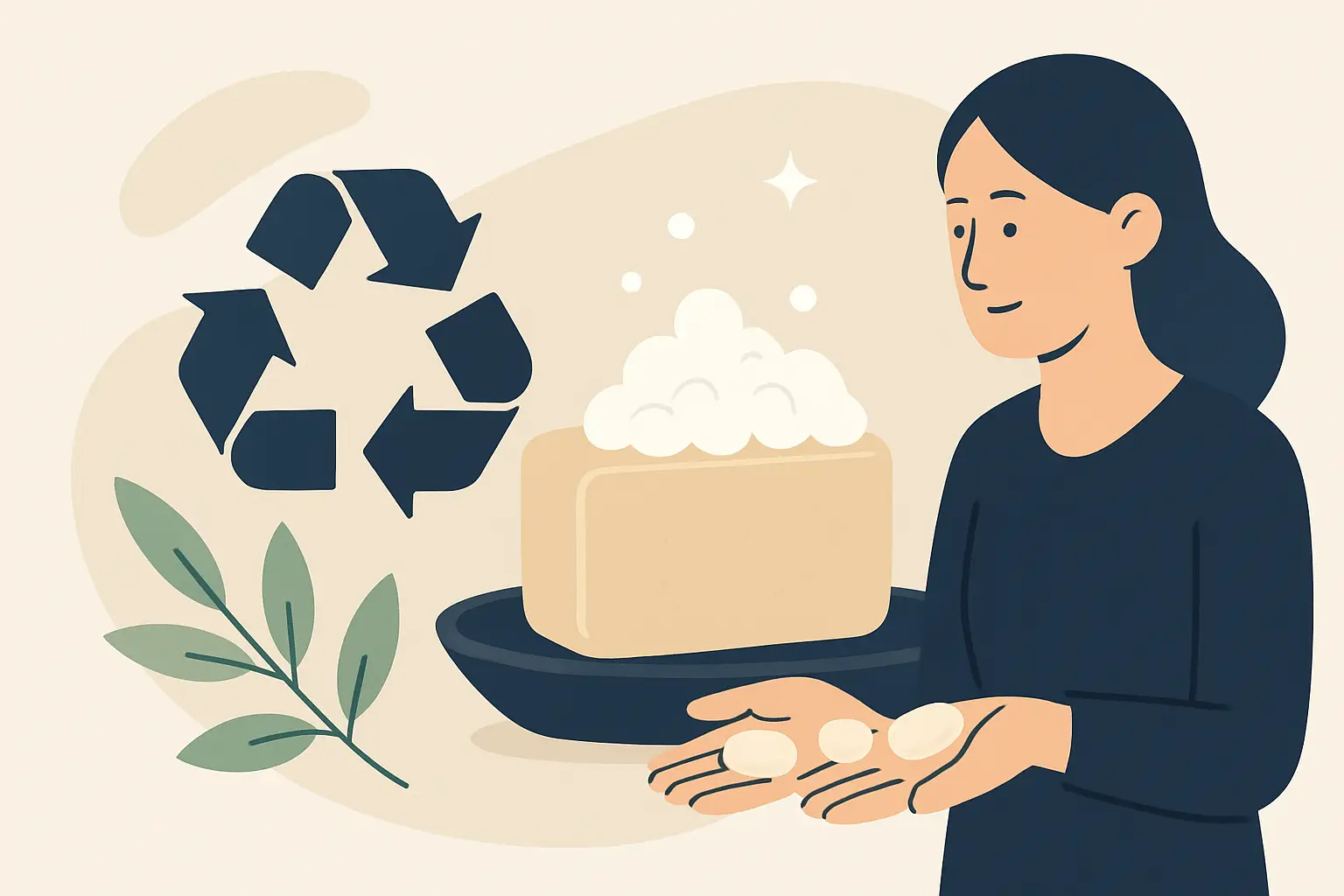
Soap ends are a low-effort example of circular thinking: you are honouring the full bar, including the parts that are easy to ignore. That reduces product waste, stretches your budget, and cuts the chance of impulse-buying liquid cleansers that come in plastic.
There is also a less obvious benefit. When makers sell soap ends, it supports small-batch production because offcuts and trimmings are accounted for rather than written off. In a craft process where every batch is mixed, poured, cut, and cured by hand, that matters.
If you want to explore a dedicated option, Luna Natural Soap Co. offers a zero-waste soap ends product created for exactly this purpose: real soap, no waste, ready to be used up.
Common mistakes (and quick fixes)
The most common issue is soggy soap. If your ends are turning into mush, your dish is holding water or your shower ledge is staying wet. Switch to a dish with proper drainage and keep soap out of the direct stream.
Another issue is “why does this feel harsh?” Often, it is not the soap itself but over-rubbing with a textured bag or flannel. If your skin is sensitive, build lather in your hands first and apply the foam, rather than scrubbing the bar directly on the skin.
And if your ends smell odd, trust your nose. Natural fragrance will fade, but soap should not smell rancid. Store soap ends somewhere cool and dry, and use them within a reasonable timeframe. Properly made, well-cured soap lasts a long time, but damp storage can spoil even good ingredients.
A small ritual that changes your bathroom
There is something quietly luxurious about not wasting what still works. Soap ends make you pay attention – to texture, scent, and the simple comfort of a bar that lathers well and rinses clean.
If you want one habit that feels both practical and a little indulgent, keep a small dish for your ends and treat it as part of your routine, not an afterthought. Use the tiny pieces with the same care you give a full bar, and they will return the favour.
The helpful truth is this: a zero-waste bathroom is not built in one big switch. It is built one small sliver at a time, used right down to the last clean rinse.