

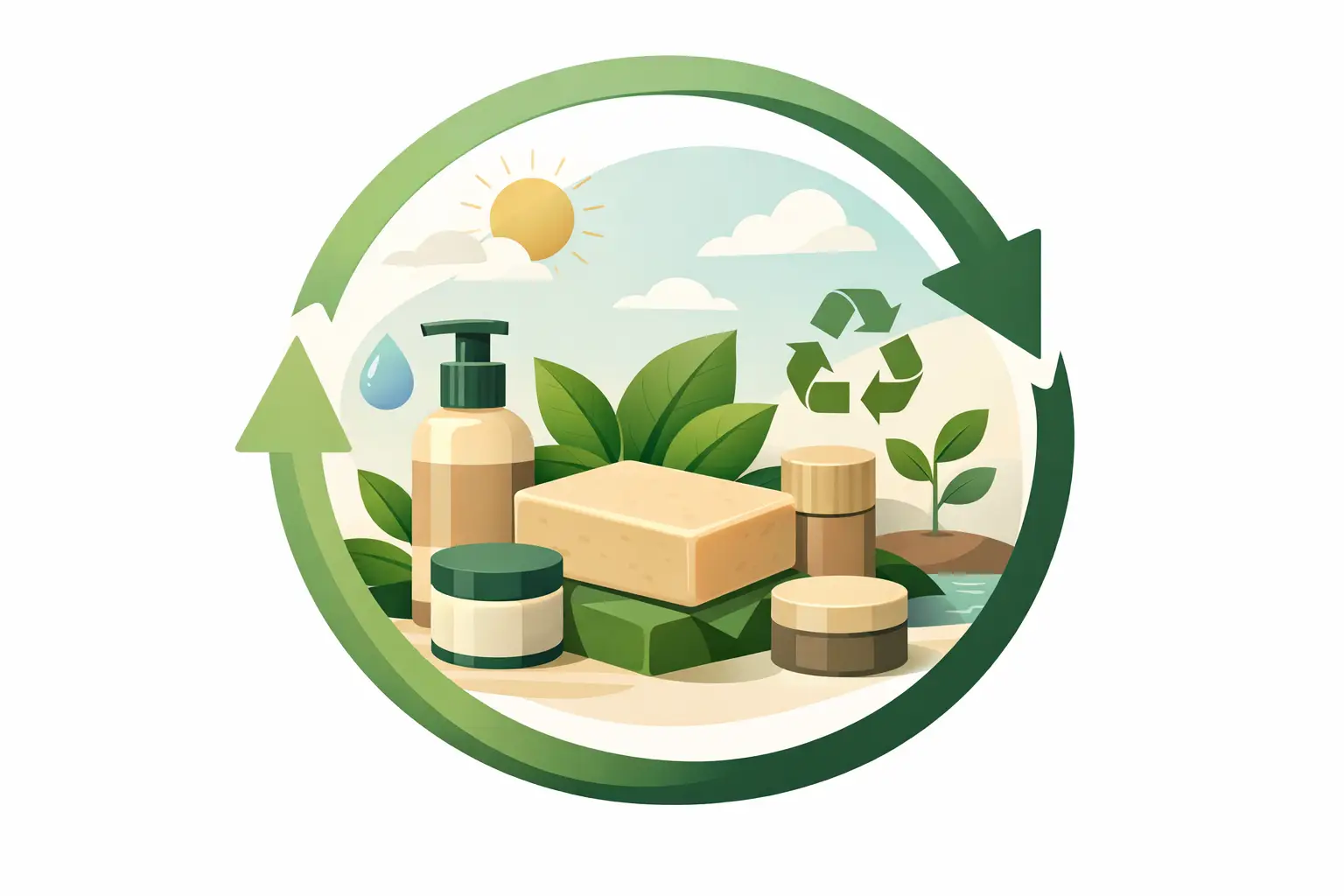
A soap bar should not leave behind a binful of waste. That simple expectation sits at the heart of circular beauty: making products with care for the materials they use, the people who make them, and what remains when the product is gone.
For a bathroom routine, the change can be remarkably practical. A well-made bar replaces a plastic bottle. It lasts, travels neatly, and can be used down to the smallest sliver. But circular beauty asks more of a product than avoiding one piece of plastic. It asks whether ingredients are thoughtfully sourced, whether packaging is necessary, and whether waste has been designed out rather than simply hidden.
Circular beauty begins before the bar is made
Circular beauty is often reduced to recyclable packaging. Recycling matters, but it is the final option, not the whole answer. A truly considered product starts with fewer unnecessary materials and makes the best possible use of what is already available.
For traditional tallow soapmaking, this means respecting an ingredient that might otherwise be discarded. Tallow is rendered from animal fat, a co-product of the food system. When sourced from local, regenerative farms, it gives this valuable material a useful second life while creating a firm, long-lasting bar with a rich, gentle lather.
At Luna Natural Soap Co., tallow is slowly rendered in-house. This gives us greater oversight of the process, from sourcing through to the finished bar. It also reflects a straightforward belief: if we use an ingredient, we should understand it, value it, and avoid wasting it.
That does not mean tallow is the right choice for everyone. It is not vegan, and responsible sourcing matters greatly. Circularity is not a label that makes every ingredient equal. It depends on traceability, animal welfare standards, farming practices, transport, and whether an ingredient genuinely uses a material well rather than creating demand for more waste.
Why a bar can be a more circular choice
Liquid cleansers are not automatically wasteful, and soap bars are not automatically perfect. The details matter. Yet a carefully formulated solid bar often has clear advantages for a lower-waste routine.
A bar contains no water-heavy formula that needs a large plastic pump bottle. It can be wrapped simply in paper or card, with no need for extra dispensers, caps, or layers of shrink wrap. It is also concentrated by nature. You use what you need at the sink or in the shower, rather than pouring a diluted product from a bottle.
Longevity matters too. A cold-process tallow soap that is properly cured and kept dry between uses should remain firm and last well. This is where a draining soap dish earns its place. It is not an unnecessary accessory when it helps a bar dry properly and reduces the soft, wasted end that can collect around the basin.
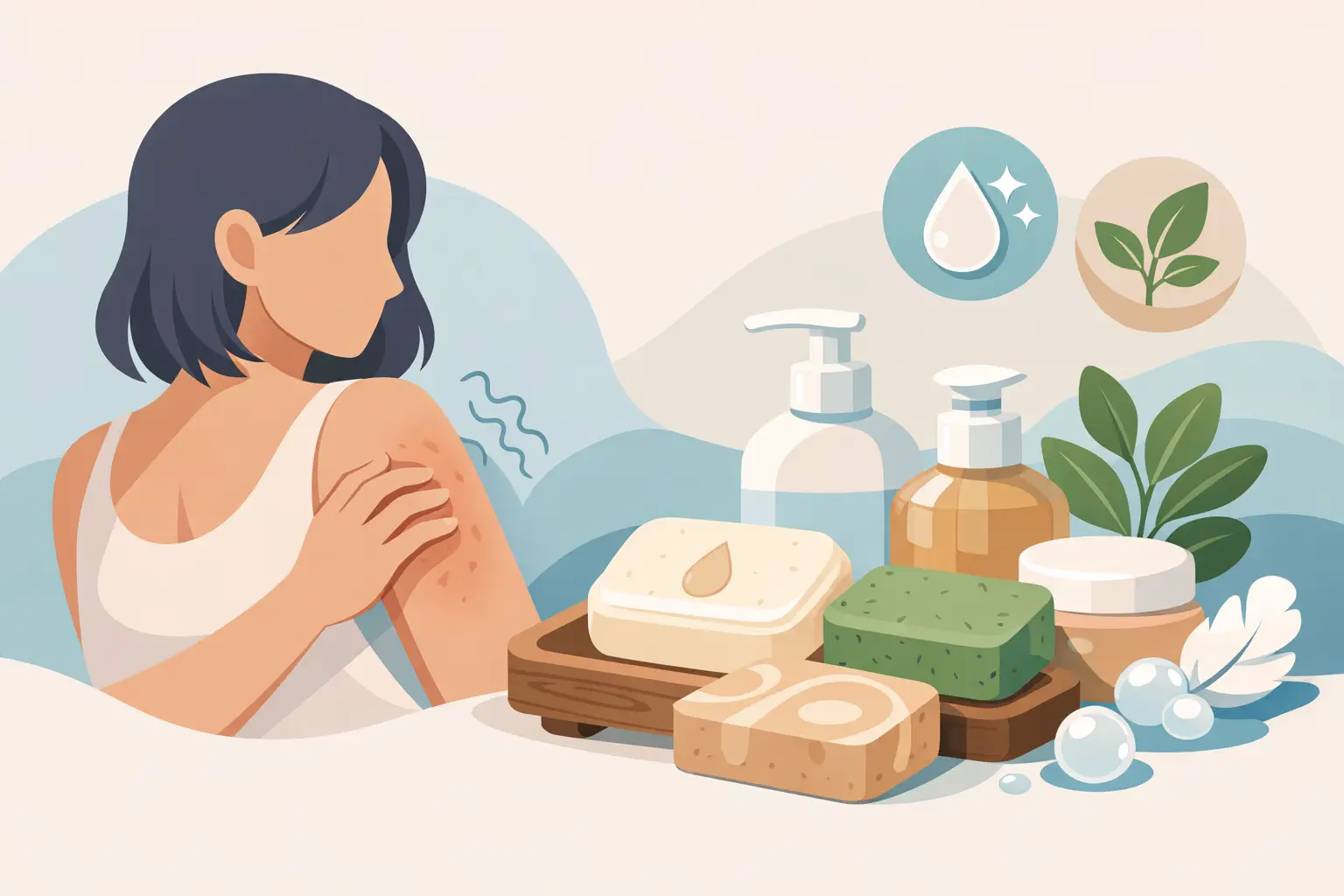
The skin benefits are part of the equation. A sustainable swap only works when people want to keep using it. Harsh, stripping cleansers may be marketed as effective, but they can leave dry or sensitive skin feeling tight and uncomfortable. A traditionally made tallow soap is designed to cleanse gently while supporting the skin barrier, so the low-waste choice does not have to feel like a compromise.
The overlooked value of soap ends
Circular beauty also has room for the imperfect pieces. When artisan bars are cut, trimmed, or reach the end of a batch, small pieces remain. They are still good soap. Selling or using these soap ends helps prevent perfectly usable material from becoming waste.
They may not look identical, but that is part of their charm. A mixed bag of soap ends can be kept beside the bath, used in a soap saver bag, or added to a guest bathroom. It is a small reminder that usefulness matters more than flawless appearance.
Packaging should protect, not perform
Beauty packaging often asks us to buy the same experience twice: once in the product and again in the container. Heavy jars, magnetic boxes, glossy coatings, and elaborate inserts can look luxurious, but luxury does not need to create excess.
The most thoughtful packaging has a clear job. It keeps the product clean, informs the customer, and reaches its destination safely. Beyond that, less is usually better. Plastic-free paper wraps and recyclable card are practical choices for solid soap, particularly when they are kept free from unnecessary laminates and mixed materials.
There are trade-offs. Paper packaging is not suitable for every formula, especially products that need a fully airtight or moisture-proof container. Glass can be reused and recycled, but it is heavier to transport and can break. Aluminium is widely recyclable, yet its environmental value depends on local collection systems and recycled content. The right choice depends on the product, not on a fashionable material claim.
For shoppers, the most useful question is simple: will this packaging be used again, recycled locally, or placed in the bin? Honest brands should make that answer easy to understand.
A circular routine is built through small habits
No one needs a perfectly empty bathroom cabinet to make a difference. Circular beauty works best when it is realistic. Use up what you already own. Choose refills where they make sense. Select solid products for everyday essentials. Keep bars dry, reuse clean jars, and avoid buying multiples simply because the packaging feels special.
It is also worth looking beyond the bathroom shelf. A solid tallow dish soap can replace another plastic bottle at the kitchen sink, while a reusable brush or cloth can reduce reliance on disposable cleaning products. These are ordinary changes, but ordinary habits are repeated every day.
When choosing a new soap or skincare product, consider four practical questions:
- Is the ingredient list purposeful, with materials that have a clear role in the formula?
- Can I understand where the key ingredients come from and how they are processed?
- Is the packaging proportionate to the product, and can I dispose of it responsibly?
- Will I use this product fully, rather than letting it sit unused in a cupboard?
These questions move the conversation away from perfection and towards better decisions. A product with a modest paper wrap is not meaningful if it is never used. Equally, an effective everyday bar becomes a powerful choice when it replaces repeated purchases of disposable packaging.
Better materials deserve better care
Circular beauty is not about turning every purchase into a moral test. It is about treating materials with more respect. That includes fats, oils, botanicals, paper, water, energy, and the skilled work behind a handmade product.
Traditional soapmaking naturally encourages this mindset. A cold-process bar takes time to formulate, pour, cut, and cure. It cannot be rushed without affecting quality. When a bar is made slowly from considered ingredients, it invites a slower kind of use too: a moment at the basin, a calmer shower, a product used until nothing worthwhile remains.
For sensitive or troubled skin, this care is especially valuable. Skin does not need a crowded routine full of novelty. It often responds best to consistent, gentle cleansing and ingredients chosen for their compatibility with the skin barrier. Fewer products, used well, can be both kinder to skin and lighter on the household bin.
The next time you reach for soap, look beyond the wrapper. Choose the bar that feels good on real skin, has a clear story behind its ingredients, and is made to be used right to the end. That is a beautiful place to begin.