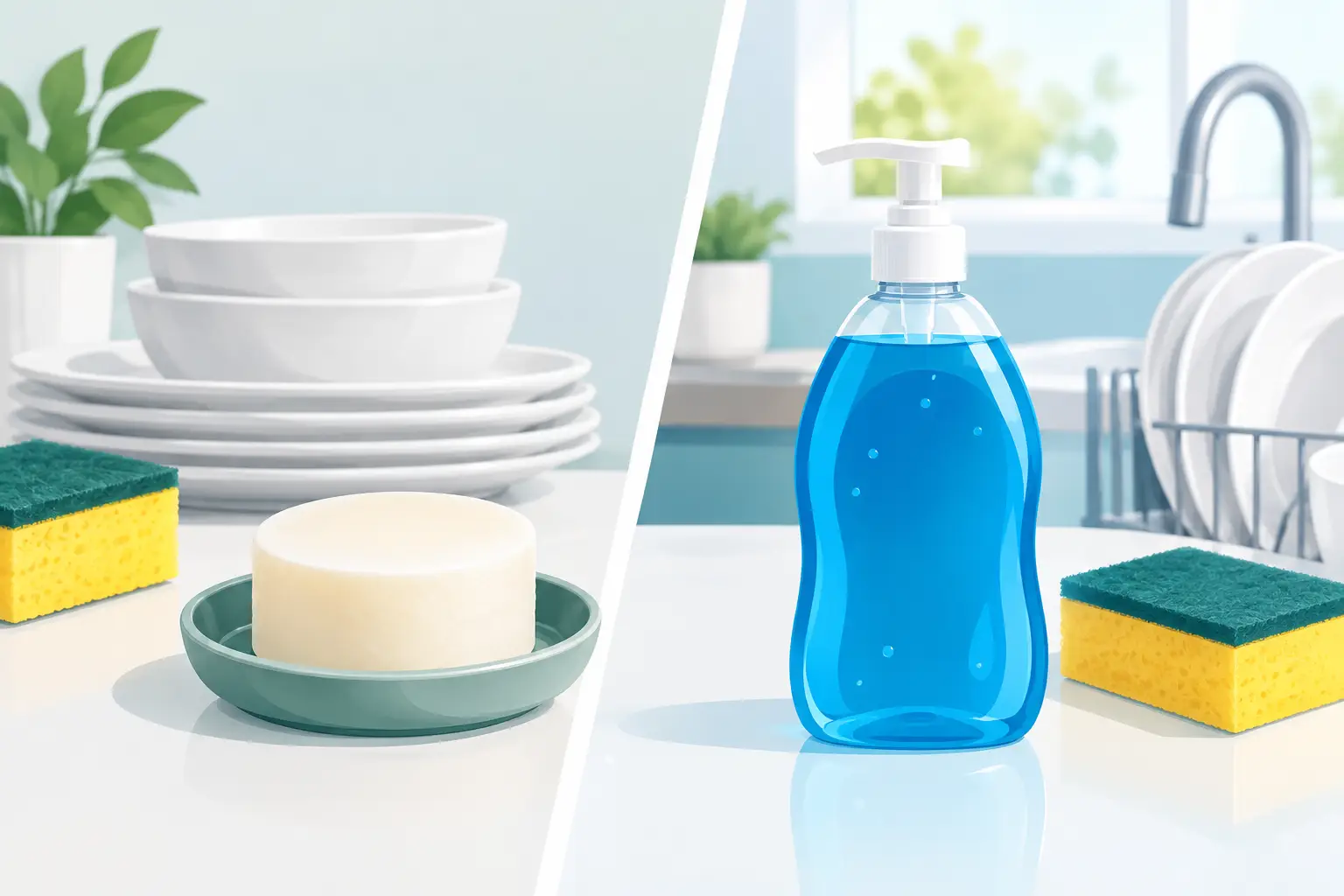



A small bar left on the soap dish can raise a reasonable question: are soap ends hygienic, or are they simply something we tolerate to avoid waste? The answer is reassuring, with one practical condition. A properly made bar of soap that is stored dry between uses is generally a hygienic choice. What matters most is not its size, but how it is handled, shared and allowed to drain.
Soap ends are a simple way to use every last piece of a beautiful bar. They can be just as lovely in the bath, shower or at the basin – provided they are treated with the same care as any other soap.
What are soap ends?
The name can describe two quite different things. One is a collection of small, fresh offcuts created when handmade soap is trimmed and cut. These pieces have not been used by anyone. They are simply smaller portions of the same cured soap, often gathered together to prevent perfectly good bars from going to waste.
The other is the last sliver from a bar that has already been used at home. This is also safe to use in most everyday situations, but it has been exposed to water, hands and the surface of the soap dish. It needs a little more attention to storage.
Both have value. A small piece of well-made soap still offers the same gentle cleanse, rich lather and carefully chosen ingredients as a full-sized bar. Its size does not make it less effective.
Are soap ends hygienic when used at home?
For most households, yes. Soap works by helping water lift oils, dirt and microbes from the skin so they can be rinsed away. A bar does not need to remain pristine-looking to do its job. When you wet it, build a lather and rinse your hands thoroughly, you are washing with soap, not rubbing the bar directly over skin and leaving it there.
That said, a soap bar is not sterile, and neither is the dish beneath it. Microbes can be present on surfaces in any bathroom or kitchen. The difference is whether conditions allow them to build up. A firm bar that dries in the open is a far less welcoming environment than a soft, waterlogged piece sitting in a puddle.
This is why the question is less about whether a soap end is old and more about whether it is being cared for well. A clean, dry soap end is usually no different in practical hygiene terms from the final days of a full bar.
The real issue is standing water
When soap stays wet, it becomes soft and short-lived. A damp dish can collect soap residue, hair and everyday bathroom debris, which is unpleasant even when it is not a meaningful health risk. It can also make a small end difficult to use.
Choose a draining soap dish, a ridged tray or a well-ventilated soap saver. Let water run away rather than collect beneath the bar. Keep the dish clean, and rinse it regularly rather than waiting for a film to form. This helps the soap last longer and keeps the space around it fresher.
Fresh soap ends versus used slivers
Freshly cut soap ends are the easiest option for anyone who likes a low-waste bathroom but prefers a bar that feels new. With traditionally made cold-process soap, the pieces are cured before use, so they are firm and ready to lather. Their irregular shapes are part of the charm.
Used slivers need only a little common sense. If a piece is still clean, firm and easy to hold, keep using it. If it has become very soft, slimy, heavily cracked or stuck to an unclean dish, it is time to make a decision. You may use it up promptly, combine it with another sliver for handwashing, or compost it only where local guidance and your composting system allow. Do not feel obliged to save a piece that has become unpleasant to use.
A bar with an unusual smell, visible mould or contamination from a dirty surface should be discarded. These signs are uncommon with properly stored soap, but they are clear signals not to carry on.
How to use soap ends cleanly and comfortably
A small end can slip through fingers, especially in a busy family bathroom. Giving it a home makes it more enjoyable to use and helps it dry. A soap saver pouch can hold several pieces together and create a generous lather for body washing. For handwashing, place the pieces in a small draining dish rather than allowing them to sit in the bottom of the basin.
Some people press softened ends together to create one new bar. This is fine for personal household use if the pieces come from the same home and are clean. Lightly wet the surfaces, press them together, then leave the new bar to dry fully before using it. The result may look rustic, but it is practical.
Avoid combining ends that have been used by different households, brought home from shared spaces or left loose in a communal bathroom. There is no need to be fearful about soap, but there is also no reason to mix personal-use items when a fresh bar is available.
For people with dry, sensitive or eczema-prone skin, the more relevant concern is often formulation rather than the final size of the bar. A well-cured, gentle soap end made with thoughtful ingredients can be a comfortable choice. If skin is actively broken, infected or extremely irritated, follow advice from a healthcare professional and avoid sharing cleansing products, towels or flannels.
When extra caution makes sense
There are occasions when a fresh bar or liquid hand soap is the simpler choice. In a shared workplace toilet, school setting, guest bathroom or a home where someone is unwell, a small used sliver can be harder to keep tidy and less appealing for others to handle. A full bar on a good draining dish, or a pump product, may be more practical.
The same applies if someone in the household has a condition that makes them especially vulnerable to infection. Follow their clinician’s guidance and keep personal toiletries separate. Hygiene is never one-size-fits-all.
In the kitchen, use a dedicated hand soap and keep it away from raw-food preparation areas. A solid dish soap is designed for washing-up, while a hand bar is designed for skin. Keeping each product in its proper place supports both good hygiene and a calmer routine.
A few habits that make all the difference
You do not need a complicated system to use soap ends well. A few steady habits are enough:
- Let bars dry on a draining surface, away from pools of water.
- Rinse the soap dish regularly and remove any residue or trapped hair.
- Keep personal soap personal when someone is ill or skin is broken.
- Use up small pieces in a pouch or combine clean slivers from your own household.
- Replace any soap that smells odd, looks mouldy or has become unpleasantly slimy.
These habits are also kinder to the bar itself. Handmade soap is designed to be used, enjoyed and allowed to dry. The firmer it remains, the longer it lasts.
Less waste, without lowering your standards
Choosing soap ends is not about accepting less. It is about recognising the worth of every carefully made piece. In traditional soapmaking, trimming creates small offcuts even when each full bar is cut with care. Selling or using those pieces honours the ingredients, the maker’s time and the resources that went into each batch.
For Luna Natural Soap Co., that means making considered use of soaps crafted with slow-rendered, locally sourced tallow and skin-loving botanicals. A smaller piece can still deliver a creamy lather and gentle cleanse, while helping reduce unnecessary waste and plastic packaging.
There is a useful distinction between mindful use and keeping something past its best. Use the soap end while it is firm, clean and pleasant. Give it a draining place to rest. Then enjoy the quiet satisfaction of finishing a bar completely – because good care for skin and good care for resources can belong to the same daily ritual.