


The bath is not simply where the day gets washed away. It can be the one room where no one needs an answer from you. To create a calming bath ritual, begin by treating that time as care rather than a task. A few considered choices – warm water, gentle cleansing and a slower pace – can turn an ordinary soak into a small, restorative pause.
Why a bath ritual can feel so grounding
A good bath ritual works because it asks less of you. Warm water can soften tense shoulders, a familiar scent can signal that the working day is over, and a simple routine gives the mind somewhere quieter to land. It does not need to be elaborate to feel luxurious.
For many people, though, a bath is not automatically soothing. Very hot water, heavily fragranced products and harsh cleansers can leave dry or sensitive skin feeling tighter than before. The aim is not to fill the bathroom with more products. It is to choose fewer things that feel good on your skin and make sense for your evening.
That distinction matters when you are managing eczema-prone, reactive or winter-dry skin. A ritual should leave you comfortable, not red, itchy or reaching for more moisturiser straight away.
Create a calming bath ritual with a gentler start
Begin before you run the tap. Give yourself ten minutes with no plans attached to them. Put your phone on charge outside the bathroom if you can, lower the lights and bring in a clean towel. These small signals make a difference because they remove decisions from the moment.
Run the bath warm rather than hot. Water that is too hot may feel comforting at first, but it can strip natural oils from the skin and worsen dryness. Aim for a temperature that lets you sink in without your skin flushing. For most baths, ten to twenty minutes is enough. Staying longer is not always more beneficial, particularly if your skin is easily irritated.
If you enjoy scent, keep it soft and intentional. A candle or a few drops of a properly diluted, skin-safe bath oil may be enough. Essential oils are not suitable for everyone, and more is not better. Skip them altogether if fragrance tends to trigger headaches, irritation or a flare-up. The quietest ritual is often the kindest one.
Choose cleansing that supports, rather than overwhelms
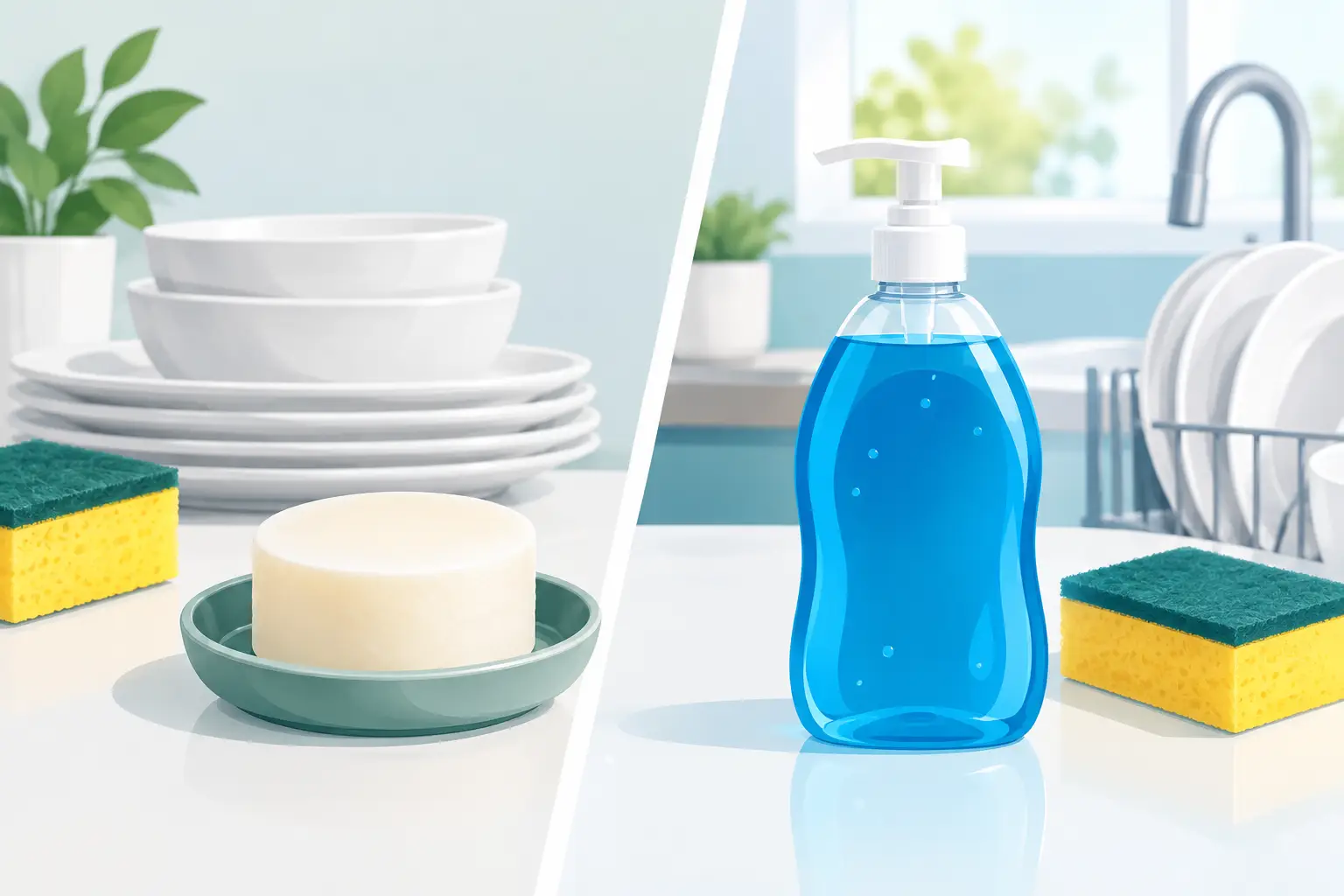
A bath does not need bubbles to feel special. Many conventional foaming products rely on strong detergents and perfume, which can be less than ideal for dry or troubled skin. Instead, bring one well-made bar into the ritual and use it where cleansing is actually needed.
A traditionally made tallow soap creates a firm bar and a rich, creamy lather without asking the skin to tolerate an overly complicated formula. Tallow is naturally compatible with the skin’s own oils and is valued for its vitamins A, D, E, K and B12. When sourced with care and rendered slowly, it makes a deeply comforting base for everyday cleansing.
Choose the bar to suit your skin on that particular day. An oatmeal bar can feel especially reassuring when skin is dry and unsettled. A fresh herbal bar may suit you when you want to feel clear and revived. If you are very sensitive, the simplest option is usually the best one. Luna Natural Soap Co. makes its tallow soaps in small batches with this practical principle in mind: cleanse gently, then let the skin settle.
Use a soft flannel if you like the feeling of a little polish, but avoid vigorous scrubbing. The point is to feel clean and cared for, not squeaky. That tight, stripped sensation is not proof that a cleanser has done a better job.
Build the ritual around the senses you need most
Some evenings call for stillness. Others call for a little comfort after a cold walk, a demanding commute or a long day caring for everyone else. Let the ritual meet the mood rather than following rules.
For a quieter bath, keep the room dim and leave the music off. The sound of running water may be enough. For a more cocooning experience, choose one gentle playlist, a warm robe and a cup of herbal tea waiting nearby. A book can work beautifully, but only if it feels restful rather than like another thing to finish.
Texture can be just as calming as fragrance. A thick cotton towel, a wooden bath tray, a natural sponge or a clean pair of pyjamas can make the experience feel considered without adding clutter. These are everyday objects, but using them with care changes the tone of the evening.
Try to resist the urge to turn bath time into a personal maintenance session. Shaving, exfoliating, hair masks and face treatments all have their place, but they can turn a restorative soak into a list of jobs. Keep those tasks for another night. A calming bath ritual needs room to be uncomplicated.
Let your breathing set the pace
Once you are in the water, do nothing for the first minute. Notice where your body is holding tension – often the jaw, hands, shoulders or stomach. Take a slow breath in through the nose, then breathe out for slightly longer than you breathed in. There is no need to make a performance of relaxation. Simply give your body permission to stop bracing.
If your thoughts are busy, use one plain question: “What would feel supportive tomorrow?” You do not need to solve the answer in the bath. The question simply creates a little space between you and the day.
Finish the bath while your skin still feels comfortable
The last few minutes are where a good ritual can lose its gentleness. Do not wait until the water has gone cool and your fingers are wrinkled. Step out while you still feel warm and relaxed, then pat your skin dry rather than rubbing it briskly.
Apply a simple moisturising product while skin is still slightly damp. This helps hold onto that comfortable feeling after the bath. If your skin is particularly dry, give extra attention to shins, elbows, hands and feet. Choose a formula you already know your skin tolerates well, especially if you are prone to eczema or sensitivity.
Then keep the transition out of the bathroom slow. Put on soft clothes. Drink a glass of water. Leave the bright kitchen lights off for a few more minutes if you can. A bath ritual works best when it does not end with an immediate rush back into noise, chores or scrolling.
Make it realistic enough to repeat
A ritual only becomes meaningful when it fits real life. You may have an hour some weeks and fifteen minutes on others. Both count. One evening, the whole practice may be a warm bath, a gentle bar of soap and an early night. Another, it may include music, candlelight and time to read.
Keep a few essentials together so you are not searching for them when you are tired: your preferred soap, a fresh flannel, a towel and the moisturiser that agrees with your skin. This is also a more mindful approach to consumption. Rather than accumulating bottles and sachets, use what earns its place through comfort, quality and regular use.
The most calming bath ritual is not the most photogenic one. It is the one that leaves your skin feeling settled, your bathroom feeling peaceful and your evening a little less rushed. Make space for that feeling whenever you can.