


Cold air outside. Central heating indoors. A hot shower that feels wonderful for ten minutes, then leaves your skin tight for hours. If you have ever found yourself blaming winter alone, this guide to soap for winter skin is a useful place to start. The wrong bar can make dry, sensitive or eczema-prone skin feel far worse. The right one can help keep cleansing simple, comfortable and supportive.
Winter skin usually needs less stripping and more steadiness. That sounds obvious, but plenty of soaps and cleansers are still built around a squeaky-clean feeling that does dry skin no favours. When your barrier is already under pressure from wind, temperature changes and lower humidity, harsh cleansing can push it from mildly dry to reactive very quickly.
Why winter changes what your skin needs
In warmer months, many people can get away with almost any cleanser. Winter is less forgiving. Skin tends to lose moisture more easily, and sensitive areas often become the first to show it – hands, legs, elbows and the face. If you are already prone to flaking, itching or redness, the season can sharpen all of it.
Soap matters here because cleansing is not neutral. Every wash removes something from the skin. The question is whether your soap leaves enough behind for the skin to stay balanced. A well-made bar should cleanse dirt, sweat and daily build-up without leaving your skin feeling raw, shiny-tight or uncomfortable.
That is why ingredient quality, soapmaking method and bar composition all matter more in winter. A beautifully firm bar with a rich lather is not enough on its own. What matters is how your skin feels after you towel off.
A guide to soap for winter skin: what to look for
The best soap for winter skin is usually gentle, simple and rich in skin-compatible fats. Traditional cold-process soap can be an excellent choice when it is thoughtfully formulated. It retains naturally occurring glycerine, which helps attract moisture, and it can be made with nourishing fats that leave skin feeling supple rather than stripped.
Tallow deserves special mention here. For dry and sensitive skin, it is one of the most practical ingredients in traditional soapmaking. Properly rendered tallow produces a hard, long-lasting bar with a creamy lather, but the real benefit is how compatible it feels on the skin. Its fatty acid profile is close to the skin’s own protective layer, which is why many people find it calming and supportive, especially in colder months.
If your skin is reactive, fewer ingredients are often better. Heavy fragrance, aggressive essential oil blends and bright novelty additives may look appealing, but winter skin usually responds best to restraint. Oatmeal, gentle clays and mild botanical additions can work well. Strong exfoliation usually does not.
You should also pay attention to how a bar is described. Words like cleansing deeply, clarifying or purifying can be useful for oily summer skin, but in January they may signal a formula that is too assertive for daily use. For winter, look for language around soothing, gentle cleansing, barrier support and hydration.
Ingredients that help – and ingredients to be cautious with
A good winter bar often starts with nourishing base oils and fats rather than decorative extras. Tallow, olive oil and castor oil can all support a milder cleansing experience when balanced well. Goat milk is another ingredient many dry-skin customers appreciate, as it can make a bar feel creamier and more comforting.
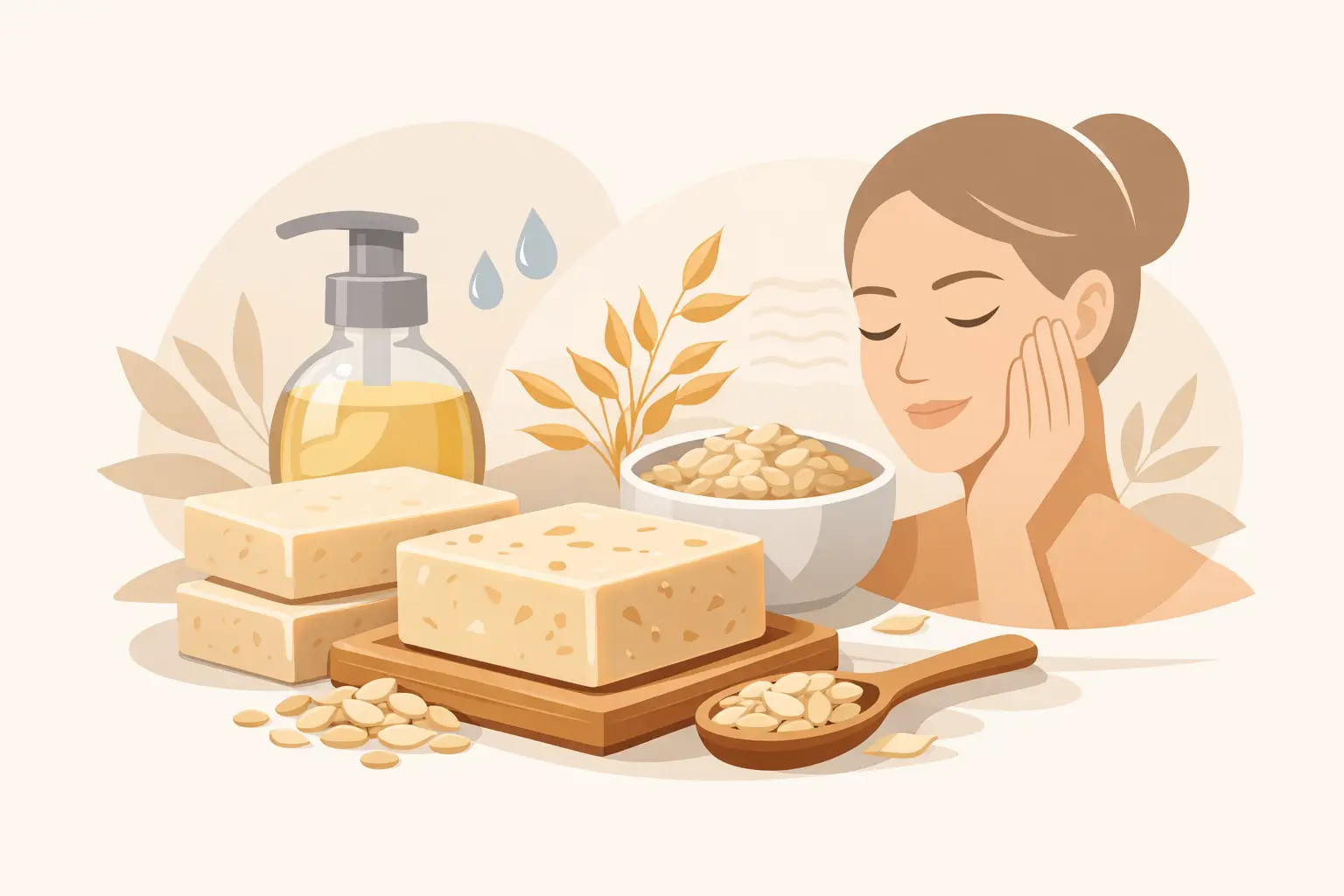
Oatmeal is a classic for a reason. It adds a soft, soothing quality that suits dry and unsettled skin. Calendula and other gentle botanicals may also be welcome, particularly when the formula keeps the overall ingredient list clear and purposeful.
What should you be cautious with? Overly perfumed bars are an obvious one. Even natural fragrance from essential oils can be too much for some skin in winter. Citrus oils, peppermint-heavy blends and strong spice notes may feel invigorating, but if your hands are cracked or your skin barrier is compromised, they can sting or irritate.
Antibacterial-style cleansing is another area to approach carefully. Unless you have a specific reason, there is rarely a benefit in making everyday winter cleansing harsher than it needs to be. Clean skin is the goal. Stripped skin is not.
How to choose soap for your skin type in winter
Dry skin usually wants a rich, uncomplicated bar with minimal fragrance and plenty of creamy lather. If your skin feels rough or looks dull in winter, a nourishing tallow-based soap with soothing additions such as oatmeal is often a reliable place to begin.
Sensitive or eczema-prone skin needs even more care. In this case, simplicity matters. Choose a bar with a short ingredient list, avoid strong scent, and patch test if your skin is flaring. Some people do best with the plainest soap in the range rather than the most luxurious-sounding one. There is no shame in choosing calm over novelty.
Combination or blemish-prone skin can be more complicated. You may still want a soap that cleanses well without feeding dryness. Winter often changes oily skin too, making it feel dehydrated on the surface while still producing oil. A balanced bar is better than an aggressively purifying one. If your cheeks feel tight but your T-zone still looks shiny, your skin is asking for gentleness, not stronger cleansing.
For children and family use, mildness and durability usually matter most. A firm, well-cured bar that rinses clean and does not overwhelm the skin with scent tends to be the most practical choice for a busy bathroom.
The soap itself matters, but so does how you use it
Even the best bar can struggle against winter habits that dry skin out. Very hot water is a common culprit. It feels comforting in cold weather, but it can leave the skin barrier far more vulnerable. Warm water is kinder.
The same goes for how long you spend washing. A quick cleanse is usually enough. Lingering under hot running water with repeated lathering can undo the benefit of a gentle soap. Pat skin dry rather than rubbing it briskly, then apply a moisturiser or balm while the skin is still slightly damp.
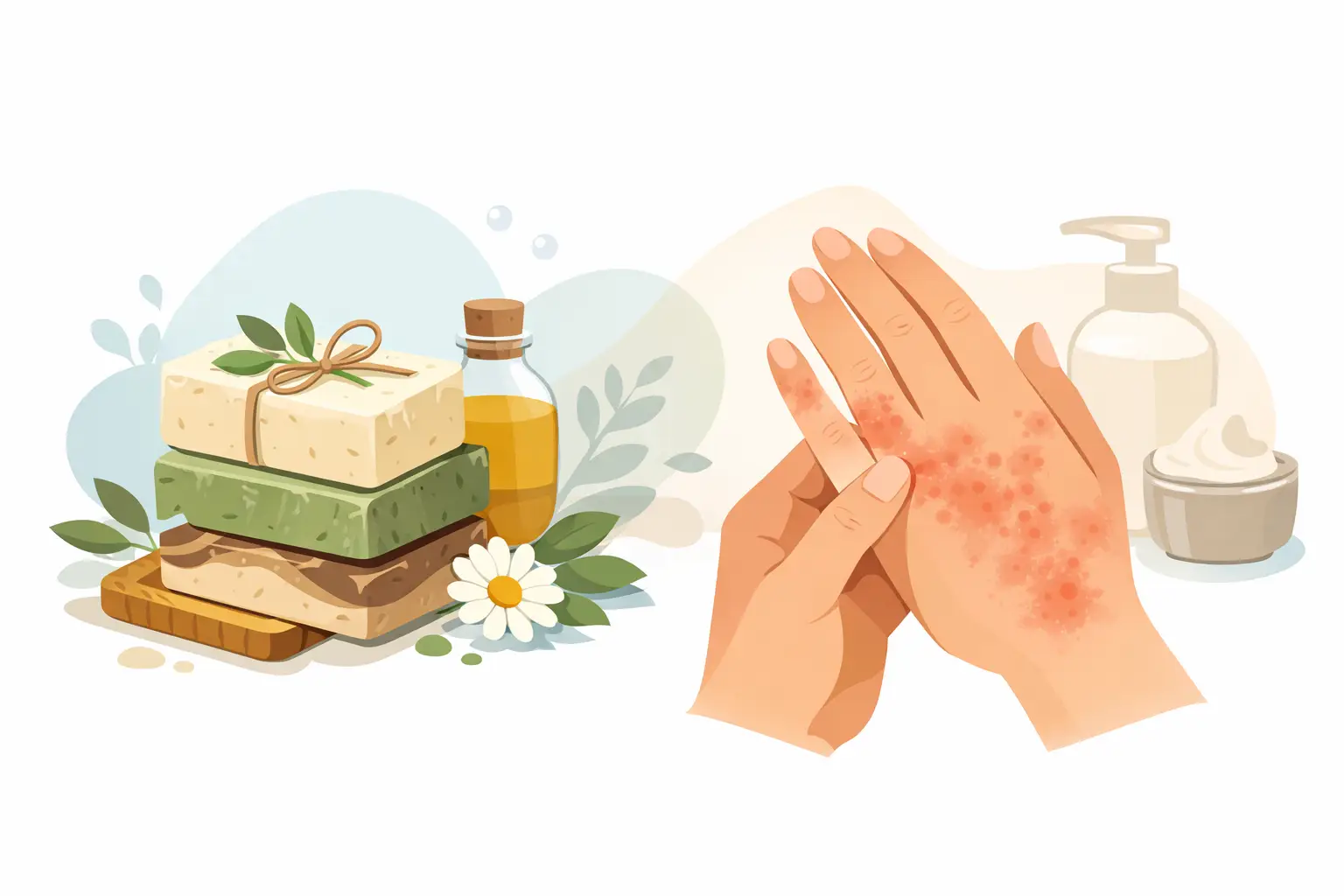
Hands often need separate attention. Winter hand washing is constant, and hands are exposed to cold air more than most areas. If your hands are becoming sore, switch to a gentler bar and follow with a rich hand balm after washing. Soap can help, but winter hands usually need a second step.
A guide to soap for winter skin if you want a natural bar
Natural soap is not automatically better. That is worth saying plainly. Some natural bars are beautifully formulated. Others are heavy on marketing and light on skin comfort. What matters is the quality of the ingredients, the honesty of the formulation and whether the bar is made to support real skin rather than chase trends.
Traditional soapmaking methods can make a real difference here. Cold-process bars that are properly cured tend to feel more refined in use, and when the fats are carefully chosen, they can offer a lovely balance of cleansing power and comfort. This is where small-batch makers often stand apart. There is usually more attention paid to the source of the ingredients, the cure time and how the bar performs over weeks of actual use.
At Luna Natural Soap Co., that belief sits at the centre of the work – slow-made bars, traditionally crafted, with skin comfort and ingredient integrity leading the decision-making.
If sustainability matters to you as well, winter is often the moment when people rethink the whole bathroom shelf. A well-made solid bar offers plastic-free practicality without asking you to compromise on feel or performance. That matters when you use something every day.
Signs your winter soap is not right for you
Your skin usually tells you quite quickly. If you feel tightness as soon as you dry off, if your shins become itchy after showering, or if your hands look older and rougher by the end of the week, your soap may be part of the problem. Redness, stinging and flaky patches are other common clues.
Sometimes the issue is not that the soap is poor quality. It may simply be better suited to summer, oilier skin or occasional use. A minty exfoliating bar might be brilliant after gardening in July and far less welcome on irritated winter skin in February. It depends on both the bar and the season.
Changing soap will not solve every winter skin issue on its own. Diet, heating, bathing habits and existing skin conditions all play a part. But because cleansing is daily, it is one of the simplest and most effective places to make a change.
The best winter soap should feel quietly dependable. It should cleanse well, last well and leave your skin calm enough that you stop thinking about it. That is often the real sign you have chosen well.