


If your skin feels tight the moment you step out of the shower, you already understand the quiet problem with a lot of so-called “clean” routines. They promise purity, yet they leave you dry, reactive, and constantly chasing the next calming product.
Natural skincare works best when it behaves like good housekeeping – gentle, consistent, and respectful of what your skin is trying to do. The goal is not a bathroom shelf full of botanicals. The goal is a healthy barrier that stays comfortable in real life: central heating, cold wind, hard water, stress, and the occasional late night.
What “natural skincare” should mean in practice
“Natural” is not a performance badge. It is a set of choices about ingredients, processing, and how a product behaves on skin.
A good natural routine does three things well. It cleans without stripping, it supports the barrier, and it avoids common irritants that keep sensitive skin on edge. If a product ticks those boxes, it does not need to shout. Your skin will tell you.
The trade-off is that “natural” is not automatically “gentle”. Plenty of natural ingredients can be reactive – essential oils, certain plant extracts, even overused exfoliants. For dry, sensitive, or eczema-prone skin, the most “natural” thing you can do is reduce the variables and let the skin settle.
The skin barrier matters more than trend ingredients
Your barrier is the thin, hardworking layer that keeps moisture in and irritation out. When it is compromised, everything feels harsher: water stings, cleansers suddenly feel “strong”, and you can end up in a loop of cleansing, stripping, and compensating with heavier creams.
Barrier-first natural skincare is less exciting, but it is far more effective. Think lipids, gentle cleansing, and a steady routine. For many people, the biggest change comes not from adding a powerful serum, but from replacing a cleanser that is too aggressive.
Signs your routine is stripping you
If your skin is squeaky-clean, that is not “fresh”. It is often a sign the cleanser has removed more than dirt. Tightness, flaking around the nose, redness after washing, and a sudden increase in sensitivity are all clues.
This is where the type of cleanser matters. A foaming wash can suit some oily skins, but for drier or reactive skin it can be the start of the problem, especially if it relies on harsh detergents.
Cleansing: where natural skincare succeeds or fails
Cleansing is the daily decision that shapes everything else. Get it right and moisturiser becomes supportive rather than corrective. Get it wrong and even the best facial oil can feel like a plaster.
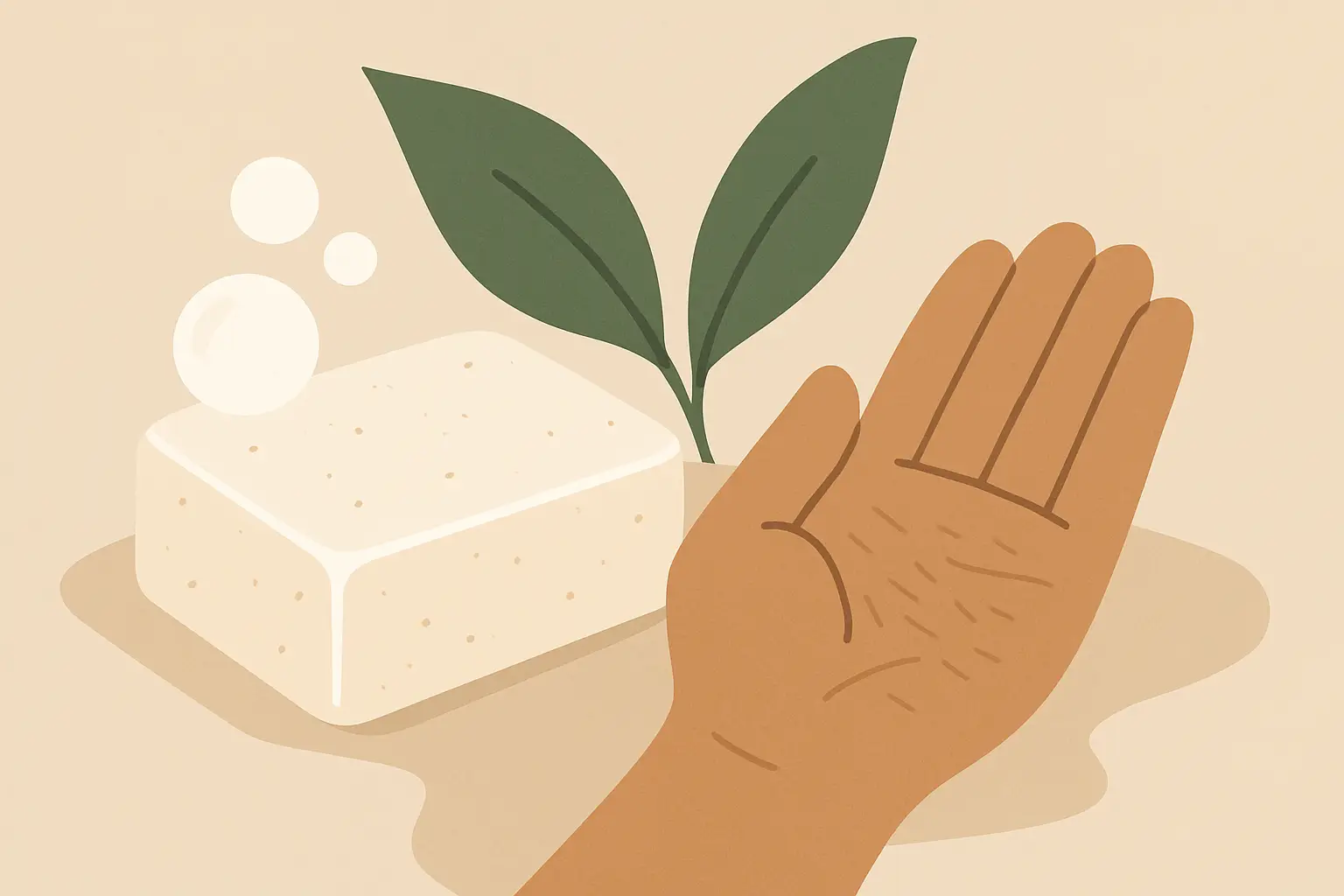
Traditional soapmaking can be brilliantly skin-compatible when done with care. A well-formulated bar made with nourishing fats can cleanse effectively while leaving the skin feeling comfortable, not “stripped”. This is particularly relevant if you are trying to move away from plastic bottles and want a bathroom swap that still performs.
There is nuance here. Not all bars are equal, and not all skin types will respond the same way. Hard water areas can make any cleanser feel more drying. Some people with very compromised facial skin may prefer a simpler cleanse in the morning and a more thorough cleanse only at night. It depends on your skin, your environment, and how much you wear on your face.
Why fats like tallow make sense for dry and sensitive skin
When people talk about “nourishing” cleansing, they often mean one thing: the cleanser contains fats that leave skin feeling supported. Grass-fed tallow is a traditional ingredient with a strong logic behind it. It is rich in skin-friendly lipids and naturally contains vitamins A, D, E, K, and B12. The feel is calm and cushioning, especially for skin that does not tolerate a lot of fragrance or fancy actives.
Quality matters. How the fat is sourced and handled changes the end result. Slow, careful rendering and small-batch production tend to create a cleaner, more consistent ingredient, which matters when your skin is easily upset.
Natural skincare ingredients: what to look for (and what to question)
If you are shopping for natural skincare with sensitive skin in mind, aim for short ingredient lists and clear purpose. Each ingredient should be there for a reason.
Supportive choices often include nourishing fats and oils, soothing additions like oats, and gentle clays or botanicals used with restraint. Oatmeal is a classic for a reason – it can soften the feel of cleansing and help reduce that “itchy tight” sensation. Herbal notes like mint can feel fresh, but they are best approached carefully if you are reactive. Pleasant in a body bar, not always ideal for a flaring face.
On the other hand, “natural fragrance” is still fragrance. Essential oils are powerful plant chemistry, and for some people they are an instant trigger. If you are managing eczema, dermatitis, or persistent redness, unscented or lightly scented products can be a relief rather than a compromise.
Building a simple natural skincare routine that holds up
Most people do better with fewer steps than they think, especially when the goal is calm, hydrated skin.
Morning: keep it light and protective
If your skin is dry or reactive, you may not need a full cleanse in the morning. A rinse with lukewarm water can be enough. If you do cleanse, choose something gentle that does not leave tightness.
Follow with a moisturiser that supports the barrier rather than chasing quick “glow”. If you use SPF, that is your daily protection step. Even in the UK, the combination of wind and intermittent sun can keep sensitivity simmering.
Evening: cleanse thoroughly, then restore
At night, remove the day properly. If you wear make-up or SPF, you need a cleanser that actually lifts it. The trick is to cleanse effectively without overdoing it. Scrubbing, very hot water, and repeated cleansing are common culprits for irritation.
After cleansing, moisturise while skin is still slightly damp. This simple habit can reduce dryness dramatically. If your skin likes oils, a small amount can seal in hydration, but more is not always better. A heavy layer can feel comforting yet trap heat and trigger some skins, particularly if you are already inflamed.
Weekly: exfoliation is optional
Natural skincare does not require exfoliation to be “working”. If your skin is sensitive, weekly exfoliation might be too much. If you do exfoliate, keep it gentle and avoid stacking multiple exfoliating steps. Smooth skin is lovely. Calm skin is better.
Sustainability that actually shows up in the bathroom
People often come to natural skincare for ingredients and stay for the waste reduction. The easiest win is swapping a bottle for a bar, provided the bar is made well and stored properly.
A firm, well-cured bar lasts longer, travels easily, and avoids the “half-used bottle graveyard” under the sink. A simple soap dish that lets the bar dry between uses makes a bigger difference than most people expect.
Zero-waste options matter too. If you are trying to reduce waste without sacrificing quality, look for brands that offer “soap ends” or offcuts. It is the same soap, just the practical, honest bits that would otherwise be wasted.
Choosing products for eczema-prone or easily upset skin
If you are dealing with eczema, it is rarely just one product that solves everything. It is the cumulative effect of small, supportive choices.
Start by removing the obvious triggers: strong fragrance, harsh detergents, and over-cleansing. Then give your skin time. Many people swap products too quickly and never see the benefit of a calmer routine.
Patch testing is worth your patience. Even gentle products can contain an ingredient your skin dislikes. Introduce one new product at a time, and keep the rest of your routine steady so you can actually tell what helped.
If you are looking for a straightforward, artisan approach to natural skincare built around grass-fed tallow, traditional methods, and plastic-free packaging, Luna Natural Soap Co. is made for that kind of customer – the one who wants fewer ingredients, more integrity, and a bar that feels like it belongs in a daily ritual.
A final note on “results”
The best natural skincare result is not a dramatic before-and-after photo. It is the moment you stop thinking about your skin all day. Comfortable after washing. No tightness by mid-afternoon. Less redness, fewer flare-ups, and a routine you can keep even when life is busy.
If you take one approach from all of this, make it simple: choose a cleanser that respects your barrier, keep fragrance and fuss low if you are sensitive, and give your skin the steady support it has been asking for.