

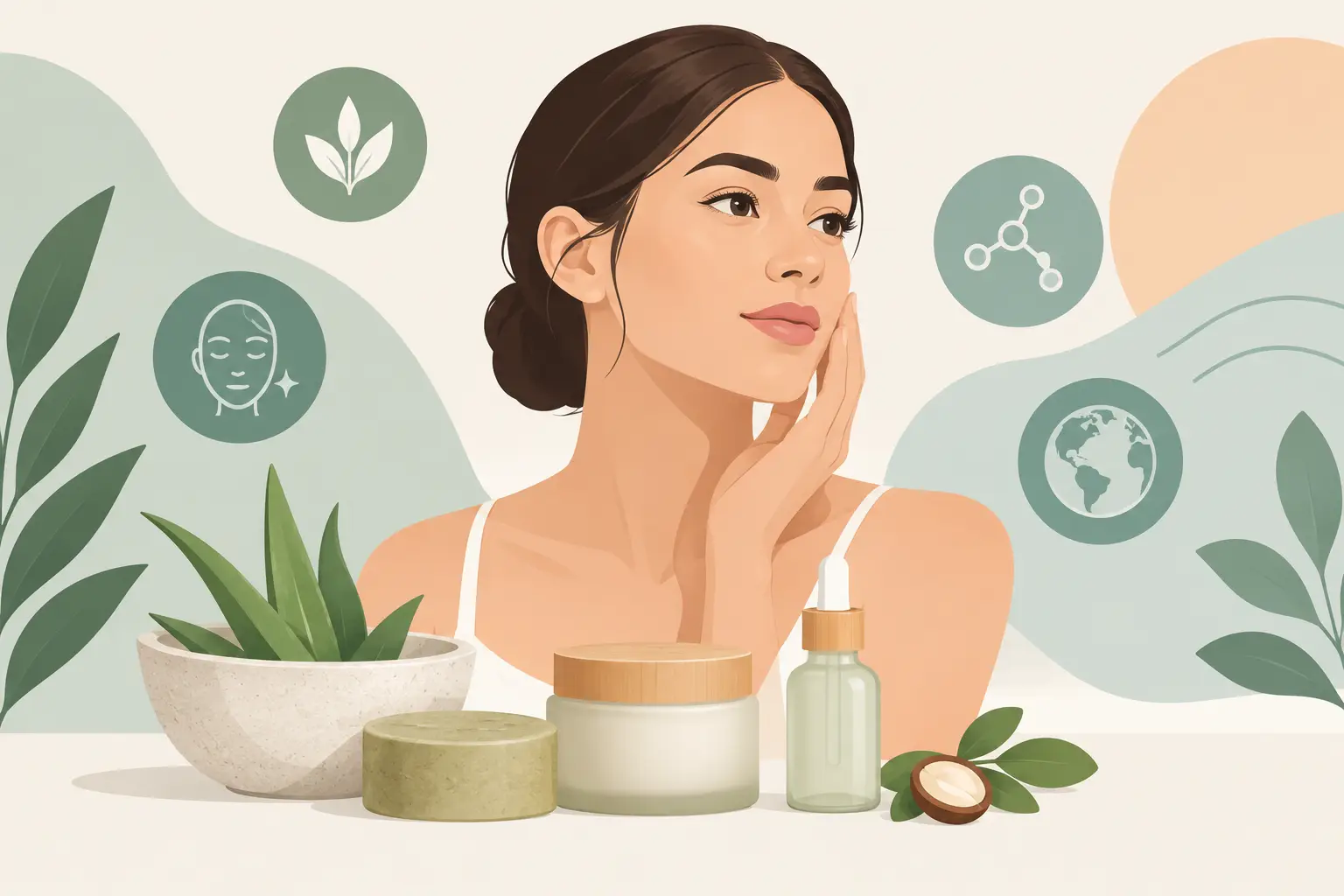
A bathroom shelf crowded with half-used bottles is starting to feel less like luxury and more like waste. The most meaningful solid skincare future trends are not about novelty for novelty’s sake. They are about choosing fewer, better-made products that feel beautiful to use, treat skin kindly and leave less behind when they are finished.
For people with dry, sensitive or easily unsettled skin, this shift matters. A product can come in plastic-free packaging and still be too stripping. It can have an impressive ingredient list and still add unnecessary complication to a routine. The future of solid skincare is likely to favour formulas with a clear purpose: gentle cleansing, dependable comfort and ingredients chosen for what they genuinely do.
Solid skincare future trends are becoming more practical
Solid beauty once meant compromise. Bars were sometimes viewed as basic, drying or less refined than their bottled counterparts. That idea is changing as customers pay closer attention to formulation, sourcing and the full life of a product.
A well-made solid cleanser is concentrated by nature. There is no need to transport large amounts of water in a bottle, and there is usually less packaging around it. But the real appeal is not simply that a bar is solid. It is that it can be made with care: slowly, in small batches, with a rich lather and a formula designed to cleanse without leaving skin feeling tight.
This is particularly welcome for households trying to reduce plastic without turning every purchase into a research project. A bar at the basin, shower or kitchen sink is easy to understand. Use it, let it dry between uses, then replace it when it is gone. There is a quiet satisfaction in a product that works hard and does not ask for much.
The move from “zero waste” to considered waste
The next phase of low-waste beauty will be more honest. No product has zero impact. Ingredients must be grown or raised, made into skincare, wrapped and delivered. The better question is whether each part of that process has been considered.
Expect more customers to look beyond a recyclable logo. They will ask whether packaging is genuinely minimal, whether offcuts are repurposed, whether ingredients are traceable and whether a brand makes products in quantities it can stand behind. Soap ends, for example, are not a lesser idea when they are sold with purpose. They are a practical expression of good making: beautiful soap should not be wasted simply because it is not a perfect shape.
Solid formats suit this thinking well, but only when the product itself earns a place in the routine. A bar that sits unused because it dries the skin is still waste. Performance remains the standard.
Barrier care will shape the formulas people choose
For years, skincare marketing pushed the idea that stronger was better. More foam, more exfoliation, more actives, more steps. Many people are now discovering that their skin does not always want more. It often wants consistency.
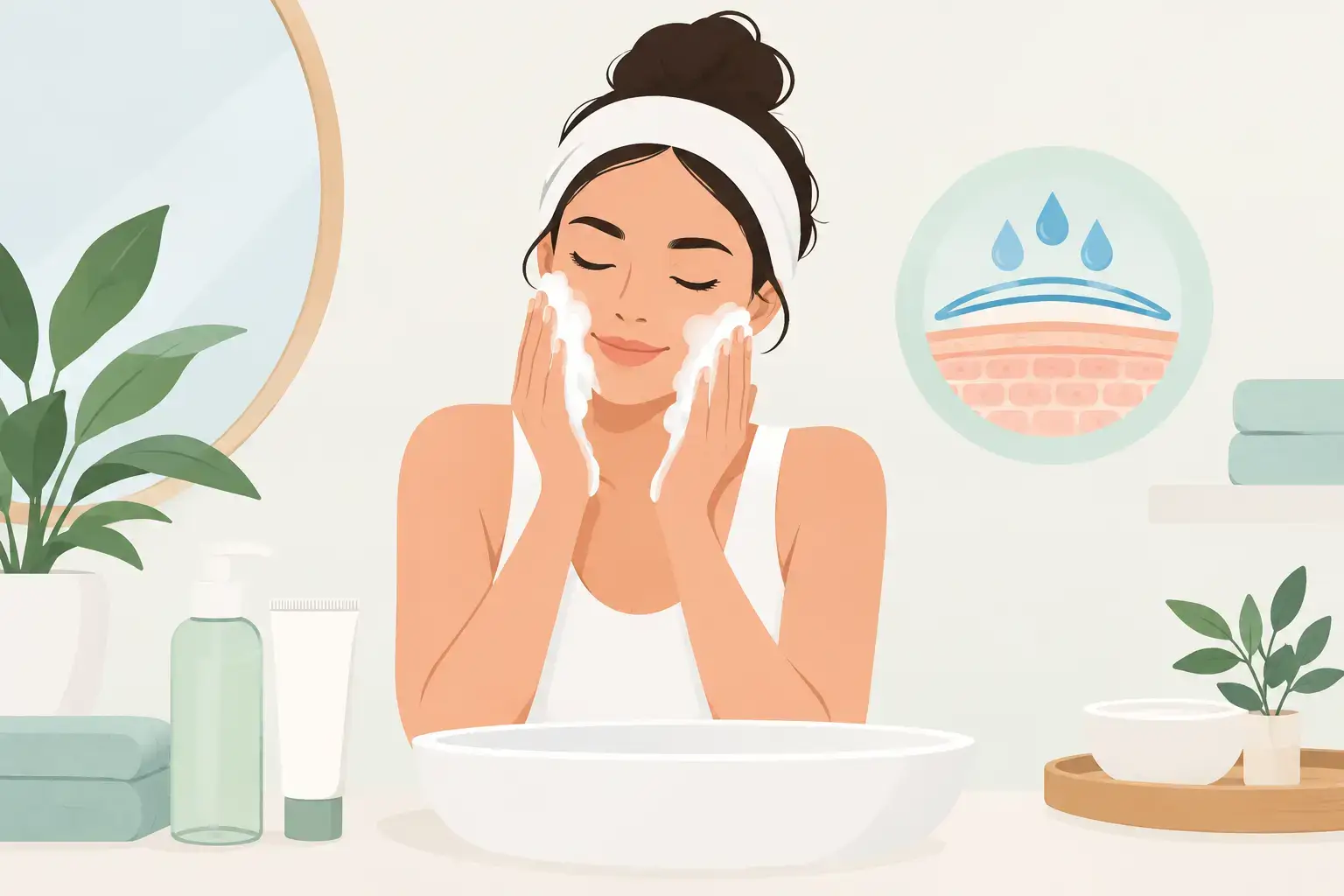
Barrier-minded skincare will continue to influence solid cleansing. This means paying attention to how skin feels after washing, not just how clean it looks in the moment. Skin that feels squeaky can be skin that has been stripped of the comfort it needs. Those with eczema-prone, dry or reactive skin know this feeling well: a cleanser can turn a manageable day into one of tightness, flaking and irritation.
Traditional fats and oils will remain relevant here, especially when used with skill. Grass-fed tallow has long been valued in traditional soapmaking for the firm, creamy bar and gentle lather it can create. It is also naturally rich in skin-loving fatty acids. For some people, a simply formulated tallow soap can feel more comforting than a heavily fragranced wash filled with detergent-based ingredients.
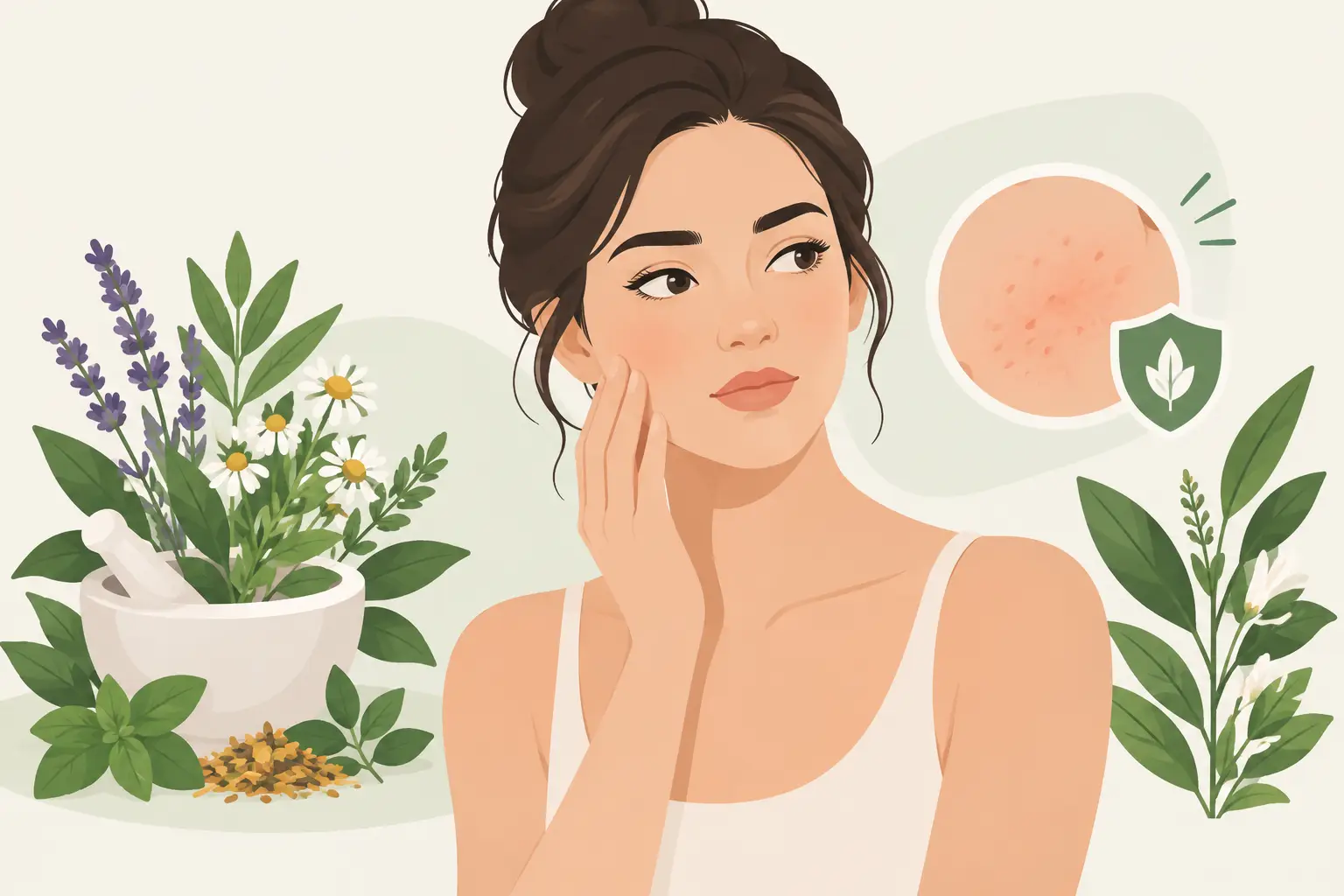
That does not mean one ingredient suits every person. Fragrance sensitivities, individual allergies and personal ethics all matter. Nor does “natural” automatically mean gentle. Botanical extracts and essential oils can be lovely, but they should be used thoughtfully, especially in products intended for delicate skin. The strongest future trend may be this: clearer formulas and fewer exaggerated promises.
Cleansing will become more personal
A single family bathroom does not need ten different cleansers, but it may benefit from a little more intention. An oatmeal bar may suit skin that needs a softer touch. A fresh herbal bar can appeal to someone who enjoys a more uplifting wash. A solid dish soap belongs by the sink because it has a different job altogether.
This is where solid skincare becomes more useful than performative. The aim is not to create endless variations. It is to help people choose the right bar for the task, their skin and the season. Winter dryness, frequent handwashing, outdoor work and central heating can all change what skin needs. A simple routine can still be responsive.
Provenance will become part of the product experience
People increasingly want to know what is in their skincare, but they also want to know where it came from. “Clean” is no longer enough as a standalone claim. Customers are asking who made the product, how ingredients were sourced and what values sit behind the label.
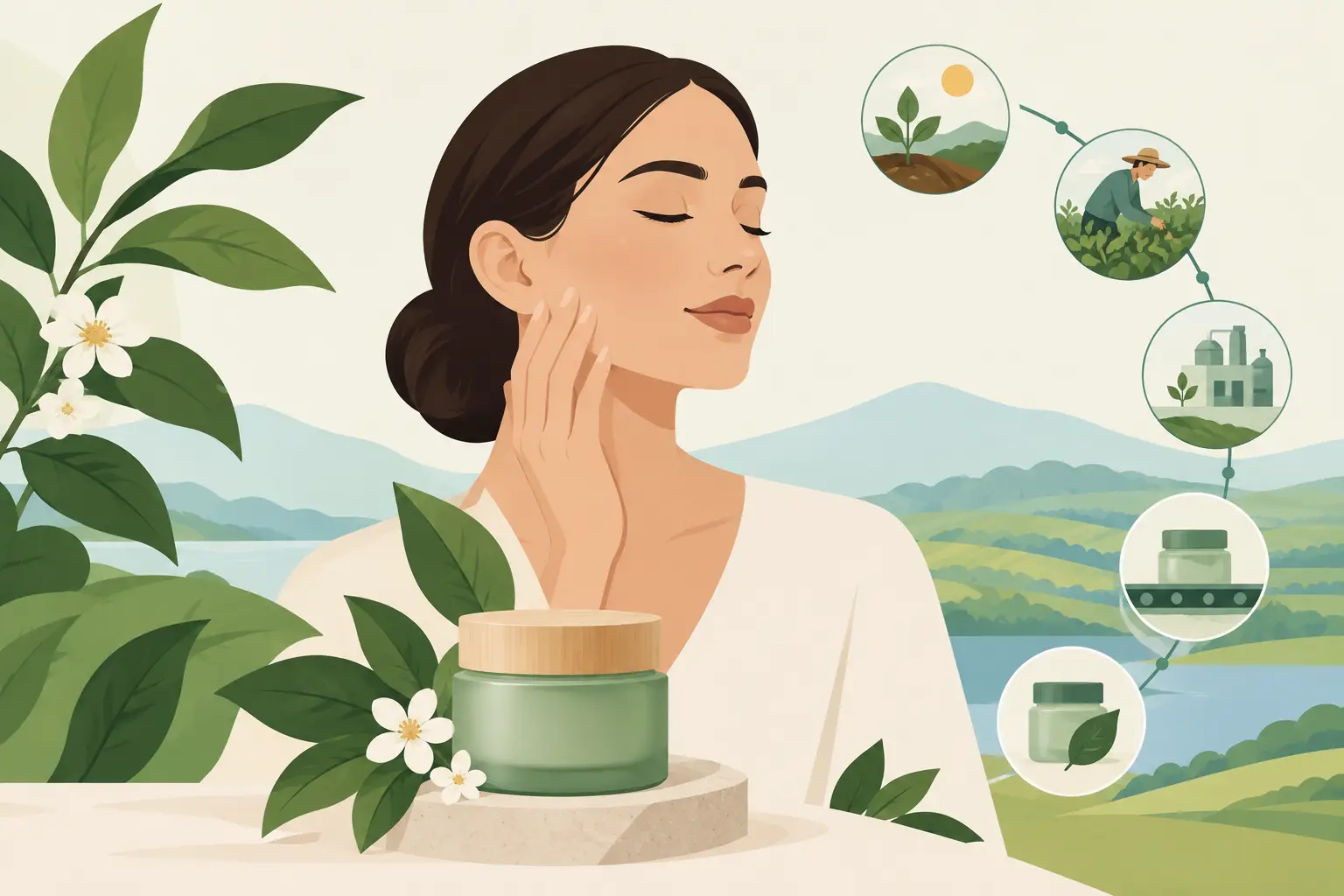
For solid skincare, local and regenerative sourcing has particular power because it makes a traditional product feel connected to place. When tallow is rendered slowly in-house from local, grass-fed sources, it is not an anonymous commodity. It is a material treated with respect, transformed into something useful and kept within a more circular system.
That level of transparency is not about making skincare feel complicated. It is about giving customers confidence. A person buying a bar for a child with dry skin, a partner with sensitive hands or a friend’s birthday wants reassurance that the product was made with care. They want to understand the choice without needing a chemistry degree.
Luna Natural Soap Co. reflects this return to visible craft: traditional soapmaking, purposeful ingredients and a belief that real skin deserves gentle care rather than a passing trend.
Less packaging, better rituals
The future of solid products will also be shaped by how they live in the home. A good bar needs somewhere dry to rest. A draining dish can help it last longer, while a simple soap saver can make the final small pieces easier to use. These are small details, but they turn a sustainable purchase into a lasting habit.
There is also a growing desire for rituals that feel calm rather than complicated. Washing hands with a bar that smells softly of herbs. Reaching for a nourishing soap after a cold walk. Giving a beautifully wrapped gift set that will be used, rather than displayed for a week and forgotten. Solid skincare can make everyday care feel considered without becoming precious.
This is why indulgence and practicality do not need to compete. A handcrafted bar can feel luxurious precisely because it has been made slowly, chosen well and used fully.
What to look for as solid skincare evolves
As more brands enter the category, it will be worth looking past the packaging. Start with the ingredients and whether they make sense for your skin. Consider how the bar is made, whether the sourcing is clear and whether the brand explains what the product is designed to do.
Be wary of products that promise to solve every skin concern at once. Good skincare is often more modest and more reliable than that. It cleanses gently. It supports comfort. It fits into real life. If you are managing persistent eczema, painful irritation or a suspected allergy, a healthcare professional can help you identify the cause and choose suitable care.
The solid skincare products that endure will not be the loudest. They will be the bars people reach for until the very last sliver: made with integrity, kind to the skin and simple enough to become part of home.