

Garden soil has a way of finding every crease in your hands. Add plant sap, compost, seed trays and a day spent lifting pots, and a quick rinse rarely feels like enough. The best natural soaps for gardeners remove the evidence of a good afternoon outdoors without leaving hands tight, rough or uncomfortable.
That balance matters. Gardeners often wash their hands more than they realise, particularly through spring and summer. A bar that cuts through dirt but respects the skin barrier can make the difference between clean hands and hands that need recovering from the clean-up.
What gardeners need from a natural soap
A useful gardening soap needs more than a pleasant scent and a pretty botanical topping. It should make a rich lather, rinse cleanly, feel firm in the hand and leave skin comfortable after washing. For most people, that means choosing a traditionally made bar with nourishing fats rather than relying on harsh detergent-based washes.
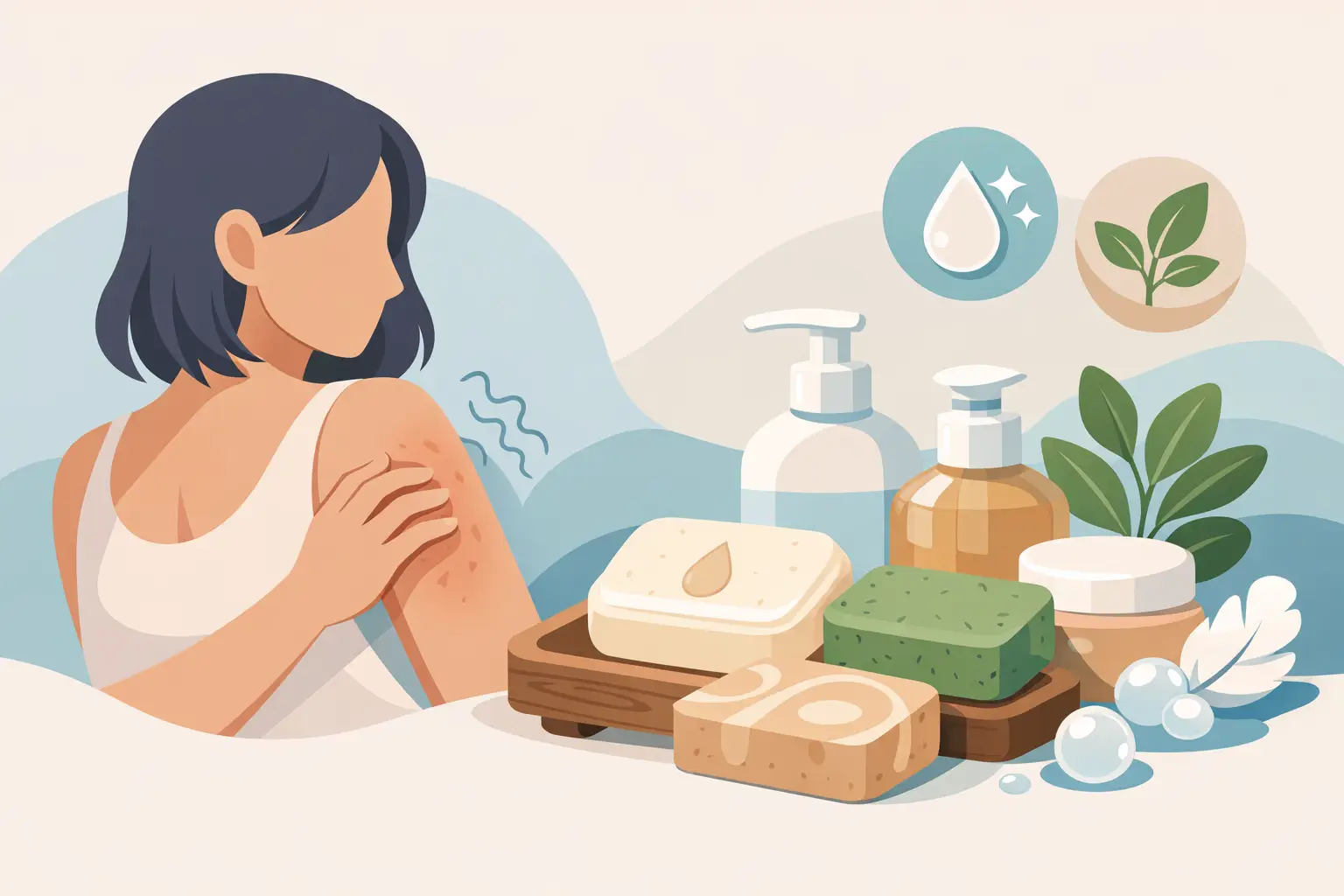
Natural soap is not automatically gentle. A highly fragranced bar, a soap packed with sharp exfoliants or one that feels stripping may not suit hands already exposed to wind, cold water and repeated washing. The right choice depends on what your hands face in the garden and how reactive your skin tends to be.
For dry or sensitive skin, a simple, well-made tallow soap is often the strongest starting point. Tallow has a naturally skin-compatible fatty acid profile and creates a creamy, conditioning lather. When it is rendered slowly and made into soap using traditional methods, it can cleanse thoroughly without that squeaky, over-washed feeling.
1. A plain tallow bar for everyday garden dirt
For everyday soil, a straightforward cold-process tallow bar is hard to beat. It is the bar to keep beside the kitchen or utility sink when you have been deadheading, watering or potting up. Look for a short, recognisable ingredient list and a firm bar that will not turn soft after a few washes.
Tallow soaps are particularly welcome when hands feel dry around the knuckles or rough at the fingertips. They offer a practical kind of luxury: a dense lather, a comfortable after-feel and a bar that earns its place by the sink. At Luna Natural Soap Co., organic grass-fed tallow is slowly rendered in-house, allowing the ingredient to remain at the centre of the formula rather than an afterthought.
2. Oatmeal soap for hands that feel dry or unsettled
Fine oatmeal adds a soft, comforting character to a soap bar. It is a good option for gardeners whose hands feel dry, itchy or easily irritated after working outside. The exfoliation is usually gentler than a dedicated scrub bar, while the lather still helps lift fine dust and soil.
Choose finely milled oats rather than large, scratchy pieces. The purpose is to support a gentle wash, not to scour tender skin. This makes an oatmeal bar especially useful for frequent handwashing during busy growing months.
3. Herbal soap for lingering garden smells
Tomato leaves, alliums, compost and damp pots can leave a stubborn scent behind. A gently herbal bar can help make handwashing feel fresher, especially after harvesting or preparing beds. Mint, rosemary and other garden-inspired botanicals are popular choices, but fragrance should never be the only reason to buy.
If your skin is sensitive, opt for a lightly scented bar and notice how your hands respond. Essential oils are natural, but natural does not mean suitable for every person or every level of use. A subtle herbal note is often more enjoyable than an intensely perfumed soap when you are washing several times a day.
4. A lightly scrubby bar for ingrained soil
There are days when ordinary soap is enough, and days when soil has settled under every nail and into every fingerprint. A bar with a modest amount of poppy seed, fine oatmeal or another gentle exfoliant can help shift stubborn grime.
The key word is modest. Aggressive scrubbing can create tiny areas of irritation, particularly when skin is already dry or cracked. Use a scrubby bar once daily, or only after heavier jobs such as turning compost, planting bare-root shrubs or cleaning muddy tools. For the rest of the day, return to a plain nourishing bar.
5. An unscented bar for very sensitive hands
If your hands react easily, keep things simple. An unscented tallow soap without added essential oils, colourants or exfoliants gives you a reliable baseline. It is also a thoughtful choice for family sinks, where one bar may be used by gardeners, children and anyone who prefers fragrance-free skincare.
This does not mean the bar needs to feel basic. A carefully cured, handmade soap can still feel indulgent through its creamy foam and clean finish. For troubled skin, fewer variables make it easier to understand what is working well for you.
6. Goat milk soap for a creamy wash
Goat milk soap is valued for its rich, gentle lather and can be a lovely option for hands that feel parched after outdoor work. It is not a replacement for hand cream, but it can make cleansing feel less drying than a conventional liquid wash.
As with every bar, formulation matters. Seek out a properly cured soap made with considered oils or fats, rather than choosing solely because goat milk appears on the label. The best bar is one you enjoy using consistently and that leaves your hands feeling calm afterwards.
7. A solid dish soap for pots, tools and greenhouse jobs
Not every gardening clean-up belongs on your skin. A solid dish soap is useful for washing muddy seedling pots, trays, hand tools and the odd plant pot brought indoors for a proper scrub. Keeping a separate bar for household and garden equipment prevents you from overworking your hand soap on jobs that need more grease-cutting power.
Use a brush or cloth to build lather on the item rather than holding a wet bar directly under running water. It helps the bar last longer and reduces unnecessary waste.
8. Soap ends for a low-waste garden sink
Small pieces of good soap still have plenty of life left in them. Soap ends are a sensible, low-waste choice for gardeners who wash often and do not need every bar to look perfect. Pop them into a soap-saver bag or press softened pieces together to make one useful handwashing bar.
This is the circular economy in a very ordinary, satisfying form: less waste, no plastic bottle and no reason for perfectly usable soap to be discarded. Keep the bag on a draining dish so it can dry properly between uses.
How to choose the best natural soaps for gardeners
Start with the condition of your hands, not the most dramatic gardening claim on the packaging. If your main concern is dry, tight skin, choose a plain tallow or goat milk bar. If soil is your problem, add a gentle scrub bar for occasional use. If odours linger after harvesting, a lightly herbal soap may suit you well.
Then look at the whole making process. Cold-process soap needs time to cure, which creates a harder, longer-lasting bar. Small-batch makers should be open about their ingredients and sourcing, especially when they use animal fats, oils, botanicals and fragrance. Plastic-free packaging is also worth considering when the purpose of gardening is partly to live more closely with the natural world.
Avoid judging a soap by foam alone. Big bubbles can be satisfying, but a creamy lather is often more comfortable for hardworking hands. A good bar should rinse away soil without leaving a coated feeling or making you reach for hand cream immediately out of necessity.
Wash well without over-washing
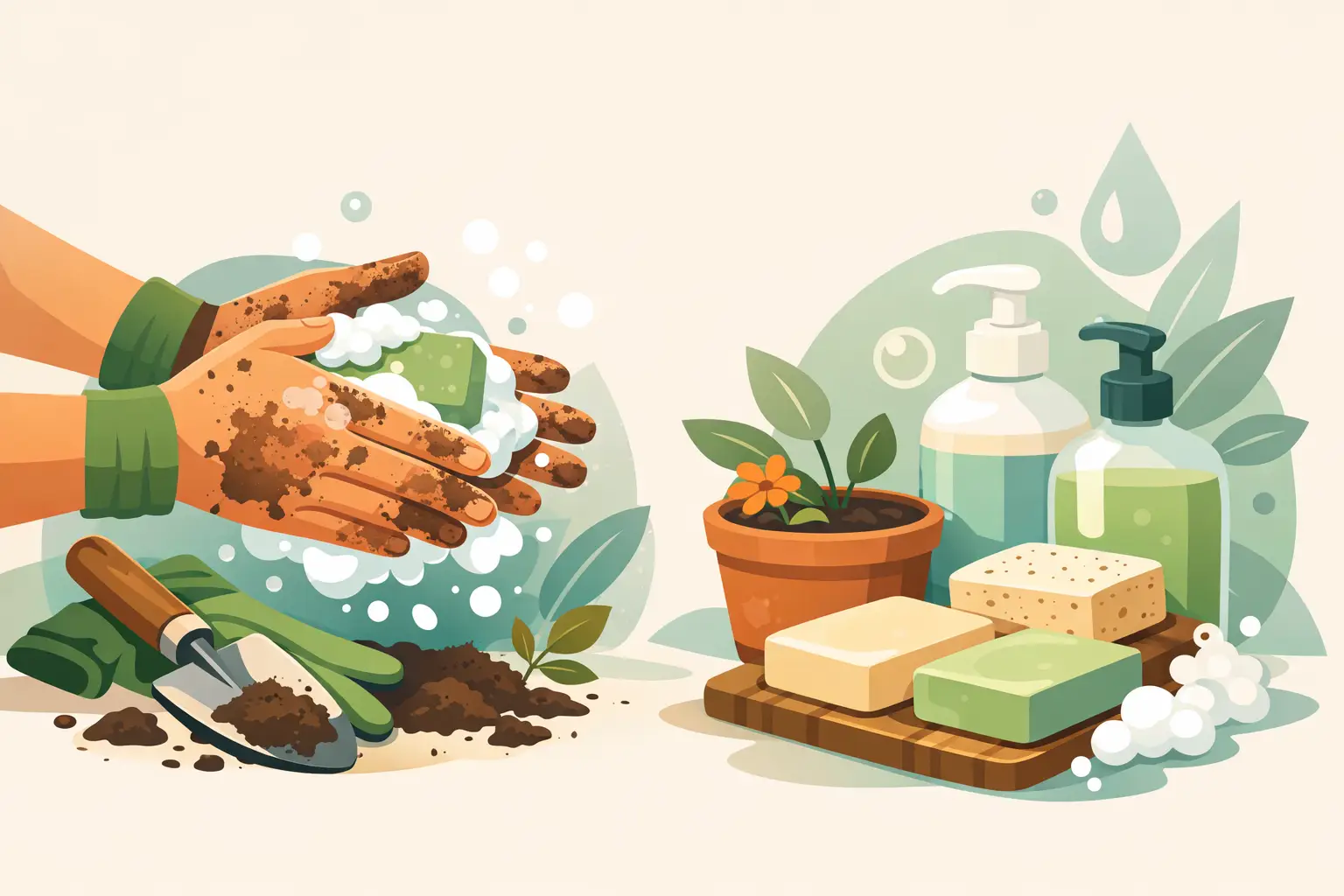
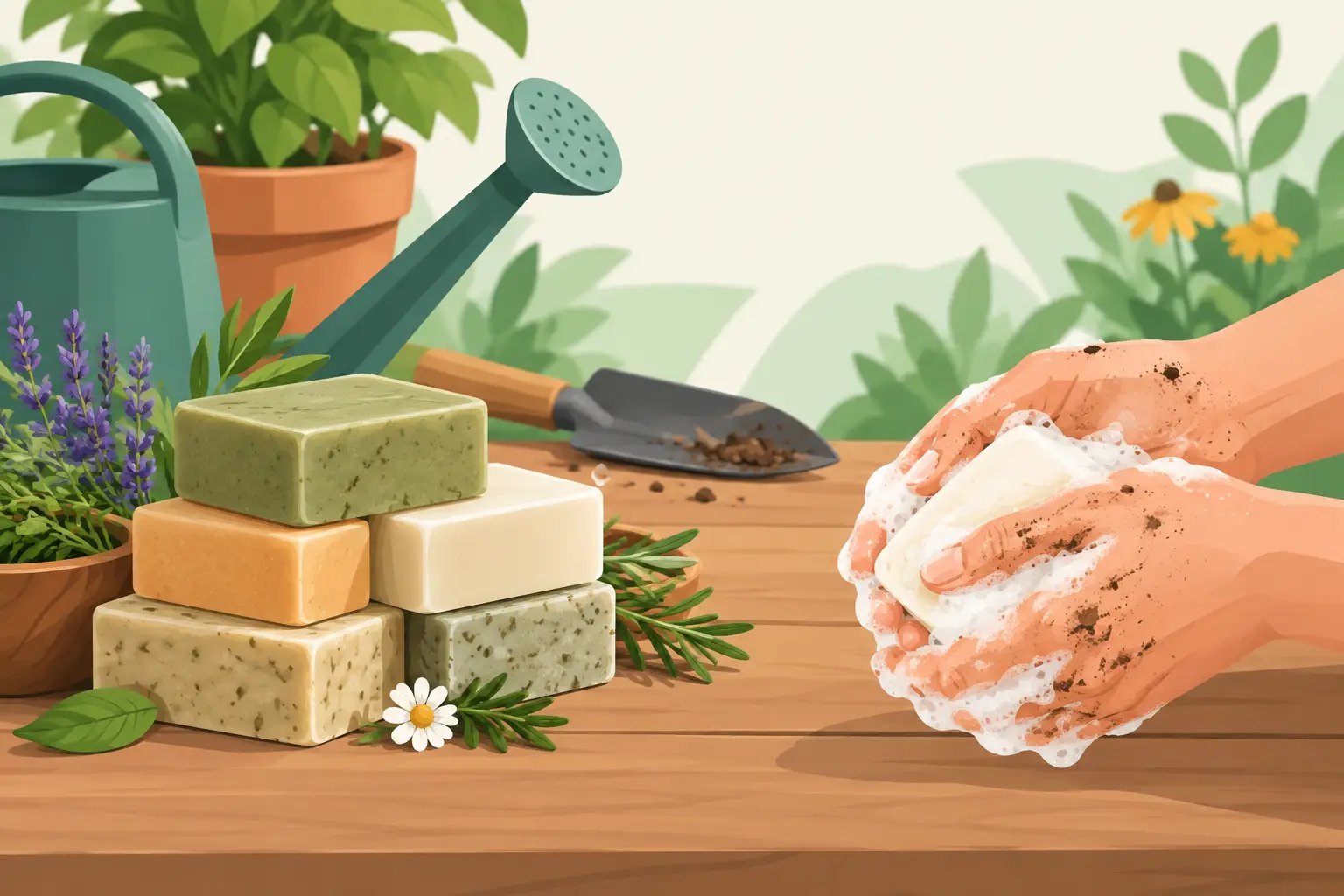
For muddy hands, wet them first, work the bar between palms and massage the lather over fingertips, cuticles and around the nails for around 20 seconds. A nail brush is more effective and kinder than attacking your skin with extra exfoliation. Rinse with lukewarm water, then pat dry rather than rubbing vigorously with a towel.
After longer garden sessions, follow with a simple balm or hand cream while skin is still slightly damp. Soap cleanses; moisturiser helps replenish and protect. Keeping those roles separate gives you better results than asking one product to do everything.
If you have cuts, deeply cracked skin or a flare-up of eczema, skip scrubby bars and strongly scented formulas until the area has settled. Wear gloves for jobs involving compost, fertiliser or thorny plants, and seek professional advice if irritation is persistent or severe.
A gardener’s hands are meant to show some evidence of the season. They do not need to feel punished by it. Choose a bar made with care, let it dry between washes, and make the handwashing moment part of the pleasure of coming back indoors.