

A beautifully labelled jar is not proof of an ethical product. Neither is a leaf motif, a muted colour palette or the word “natural” printed in large type. For people with dry, sensitive or troubled skin, ethical skincare trends matter most when they result in something practical: ingredients you can understand, sourcing that stands up to questions, less waste in the bathroom and a cleanser that leaves skin comfortable rather than tight.
The shift is welcome. Skincare is becoming less about chasing a new active every month and more about making considered choices that work for skin, people and the wider environment. But ethical does not mean perfect, and it certainly does not mean one ingredient or format will suit everyone. It means looking closely at the whole picture.
Ethical skincare trends are becoming more specific
For years, “clean beauty” was often used as a broad promise. It could mean anything from a short ingredient list to a product free from a handful of selected materials. The trouble is that vague language asks customers to take too much on trust.
A stronger standard is emerging. Customers increasingly want to know where ingredients come from, how they are processed, who makes the product and what happens when it is used up. This is not about demanding a flawless supply chain from every small maker. It is about honesty. A brand should be able to explain its choices clearly, including the compromises involved.
Small-batch production can help here. When a maker renders, formulates, pours and wraps products in-house, there is a closer relationship with every stage of the process. Traditional cold-process soapmaking, for example, is slower than buying a ready-made base, but it gives the maker control over the oils, superfatting level and finished bar. That care can be felt in a firm bar, a rich lather and a gentler cleansing experience.
Traceability matters more than fashionable ingredients
An ingredient is not automatically ethical because it is botanical, organic or rare. Growing, harvesting, transporting and processing it all have an impact. A lengthy ingredient list can sometimes tell a useful formulation story, but it can also make it difficult to understand what a product truly contains and why.
This is why locally sourced and regenerative materials are gaining attention. Regenerative farming aims to support healthier soil, biodiversity and long-term land stewardship. It is a direction rather than a marketing badge, and outcomes vary by farm and practice. Still, asking where a raw material comes from is a better starting point than simply asking whether it sounds luxurious.
Tallow is a useful example of how context matters. When sourced from grass-fed animals raised by local farmers, it can use a material that might otherwise have little value. In skincare, properly rendered tallow is prized for its rich, skin-compatible fatty-acid profile and its naturally occurring vitamins A, D, E, K and B12. It can make a particularly comforting choice for dry skin, especially in a carefully made soap or balm.
It will not be right for vegans, and ethical buying should respect that. The point is not to present one approach as universally best. It is to choose materials with care, use them fully and be transparent about their origin.
Look for the story behind the ingredient
A meaningful product description should tell you more than what is absent. It should explain the purpose of the ingredients that are present. Oatmeal may be chosen for a soft, soothing wash. Goat milk may add a creamy feel to a bar. Peppermint and herbs may bring a fresh, uplifting character. Tallow may be used for its conditioning, substantial lather and skin-loving feel.
The same principle applies to fragrance. Essential oils are natural, but natural does not always mean suitable for every complexion. People with reactive or eczema-prone skin may prefer a simple, unscented bar, while others enjoy a lightly scented soap without issue. Your skin is the authority here. Patch test when trying something new, and seek professional advice for persistent skin concerns.
Less packaging, but better choices
Plastic-free packaging remains one of the most visible ethical skincare trends, and for good reason. A solid bar can remove the need for a plastic pump bottle, reduce water-heavy transport and last well when stored properly. Yet packaging choices deserve a little more thought than a quick paper-versus-plastic judgement.
Paper is only useful when it protects the product adequately. A soap bar that arrives damaged or sweats because it has been poorly packaged creates waste of a different kind. Recyclability also depends on local collection systems, coatings, labels and whether a material is clean enough to process. The most sensible approach is usually to use as little packaging as possible, choose materials that are widely recyclable or compostable where appropriate, and avoid unnecessary layers.
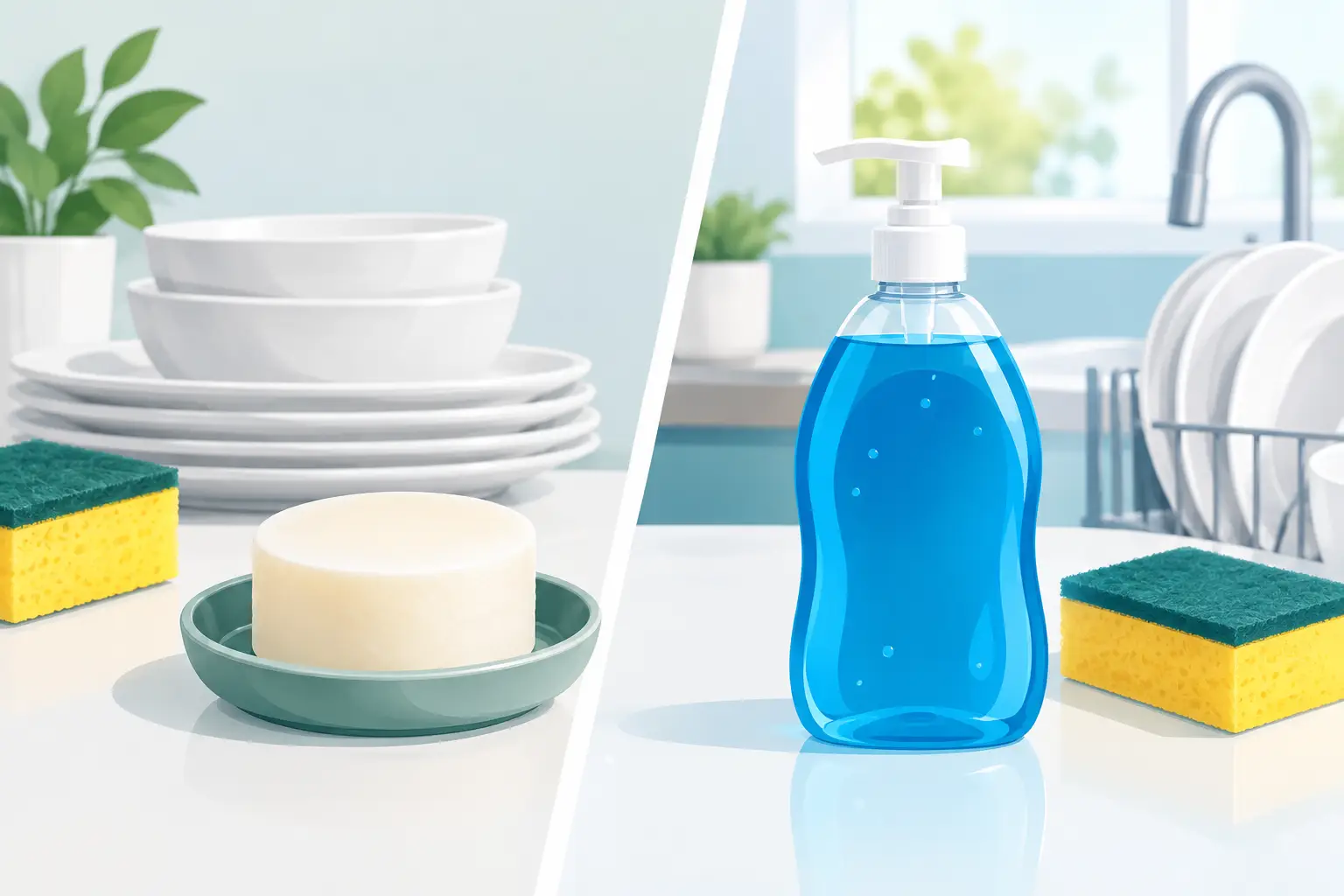
The product format matters, too. Solid soap, shampoo and dish bars are not a novelty when they perform well. They are practical household swaps. A solid tallow dish soap can cut down on disposable bottles at the sink, while a well-cured body bar offers everyday cleansing without cluttering the shower ledge.
How you use a bar affects its lifespan. Keep it on a draining dish, away from standing water, and let it dry between uses. This small habit prevents waste and makes a handmade bar feel like the premium, useful object it is.
Circular thinking belongs in the bathroom
Waste reduction is moving beyond packaging. The more interesting change is a growing appreciation for using materials fully. In soapmaking, offcuts and imperfect ends are often just as lovely to use as a full bar. They may be mismatched in shape, but they still offer the same honest ingredients and gentle wash.
Soap ends are a simple answer to a practical question: why discard good soap because it does not fit a perfect retail shape? They are ideal for a guest bathroom, travel bag or family home where bars disappear quickly. They also make natural skincare more accessible without compromising on the care taken in making it.
Circularity is not a claim to make lightly. It is not enough to call something zero-waste while creating excess at another point in production. But reducing offcuts, choosing refillable or recyclable options where they genuinely work, and making useful products from materials already in circulation are meaningful steps.
Gentle cleansing is replacing the squeaky-clean ideal
For a long time, skincare was sold on the feeling of being stripped clean. Foaming cleansers, strong fragrance and that tight after-wash sensation were treated as signs that a product was working. For many people, especially those living with dry or sensitive skin, that feeling is a warning rather than a benefit.
The skin barrier is not glamorous, but it is essential. It helps hold moisture in and keeps irritants out. Cleansing too aggressively can leave skin feeling rough, itchy or unsettled. A thoughtfully formulated soap cannot solve every skin condition, but a mild, well-made bar can be a kinder daily starting point than harsh detergents or overcomplicated routines.
This is where traditional methods still have a place. A cured cold-process bar made with nourishing fats and a considered formula can cleanse effectively while leaving skin feeling soft and comfortable. Results will depend on the formula, your water hardness, the rest of your routine and your individual skin. “Natural” alone is not the answer. Good formulation is.
How to shop with confidence, not guilt
Ethical choices should not require an hour of research for every bar of soap. Start with a few clear questions. Can the maker explain the key ingredients and why they use them? Do they share where their materials come from? Is the packaging proportionate to the product? Does the product suit your actual skin needs and daily habits?
Then buy less, but use what you buy well. A cupboard full of half-finished products is not a more sustainable routine. Choose one dependable cleanser, store it properly and give your skin time to respond before adding something else. For gifting, look for sets that will be used rather than merely admired: a beautiful soap, a practical accessory and a story grounded in real craft make a thoughtful combination.
At Luna Natural Soap Co., that means working slowly with locally sourced, grass-fed tallow, rendering it in-house and making plastic-free bars designed for real skin and real homes. It is not about perfection. It is about making choices we can stand behind, from the farmer to the finished bar.
The best ethical skincare trend may be the least dramatic one: choosing products made with enough care that you want to use every last bit.